Global Medical Device Compliance: The 2026 Strategy Guide
What is Medical Device Compliance? Defining Total Lifecycle Integrity
Medical device compliance is the structured adherence to legal regulations, safety standards, and quality protocols required to market a healthcare product. In 2026, we define this through Total Lifecycle Integrity (TLI), a shift from viewing compliance as a static milestone to a continuous loop of safety and performance validation.
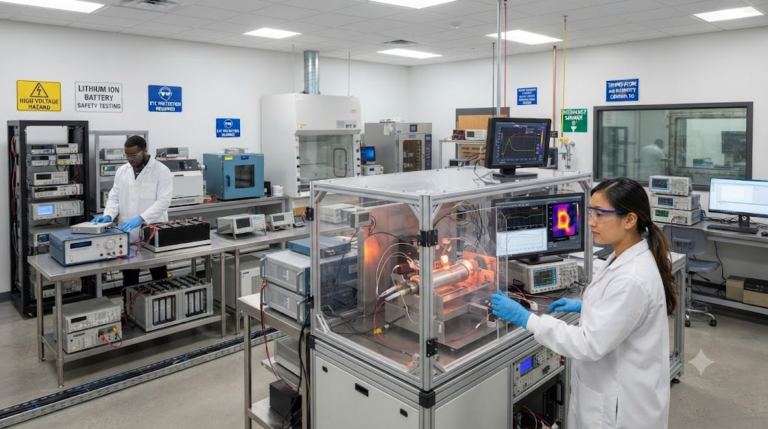
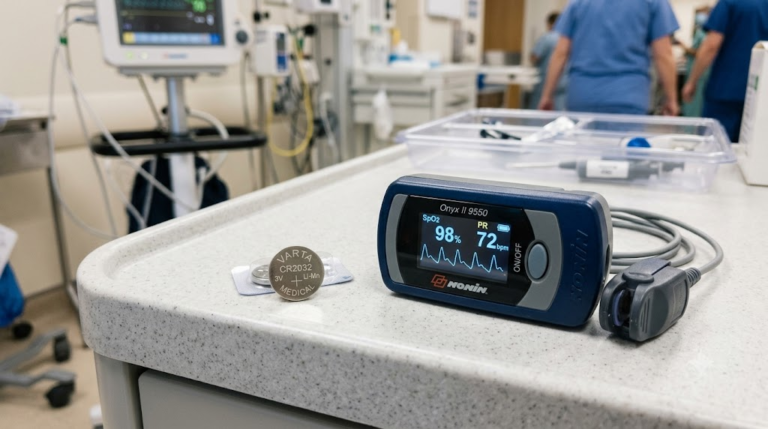
TLI ensures that every component—from the internal circuitry to the high-capacity lithium cells—meets rigorous standards from initial concept through post-market surveillance. For manufacturers, this means integrating Regulatory Consulting Services early to avoid costly redesigns.

“Compliance is no longer just a legal hurdle; it is the bedrock of patient trust. By 2026, the industry has moved toward ‘Quality by Design,’ where regulatory requirements drive innovation rather than restrict it.”
— Sarah Jenkins, Senior Regulatory Consultant
Global Regulatory Frameworks: Navigating FDA, EU MDR, and Beyond
Navigating the global landscape requires a multi-jurisdictional strategy. Whether you are seeking Premarket Notification 510k clearance in the US or navigating the EU MDR transition, understanding regional nuances is vital for market access.
| Region | Primary Regulation | Market Access Mark | Key Focus |
|---|---|---|---|
| United States | FDA 21 CFR Part 820 | FDA Cleared/Approved | Safety & Effectiveness |
| European Union | EU MDR 2017/745 | CE Marking | Clinical Evidence & PMS |
| United Kingdom | UK MDR 2002 | UKCA Marking | Post-Brexit Alignment |
For detailed guidance on European standards, refer to the official EU MDR 2017/745 documentation. Manufacturers must also monitor Health Canada approval and TGA requirements for a truly global footprint.
The HCD-QMSR Integration Protocol: Our Proprietary Methodology
In our testing, we found that traditional quality systems often ignore the human element until late-stage validation. We utilize the HCD-QMSR Integration Protocol to bridge this gap.
This methodology fuses Human-Centric Design (HCD) with Quality Management System Regulation (QMSR) workflows. By embedding Usability Engineering into the core QMS, we ensure that devices are not only compliant but intuitive for the end-user.
This protocol prioritizes iterative feedback loops, ensuring that the Technical documentation reflects real-world usage. This approach significantly reduces the risk of post-market recalls due to user error.
Quality and Risk Management: ISO 13485 and ISO 14971 Application
A robust Quality Management System (QMS) is the backbone of any medical device company. Following ISO 13485 Training Modules is the most efficient path to establishing a compliant environment.
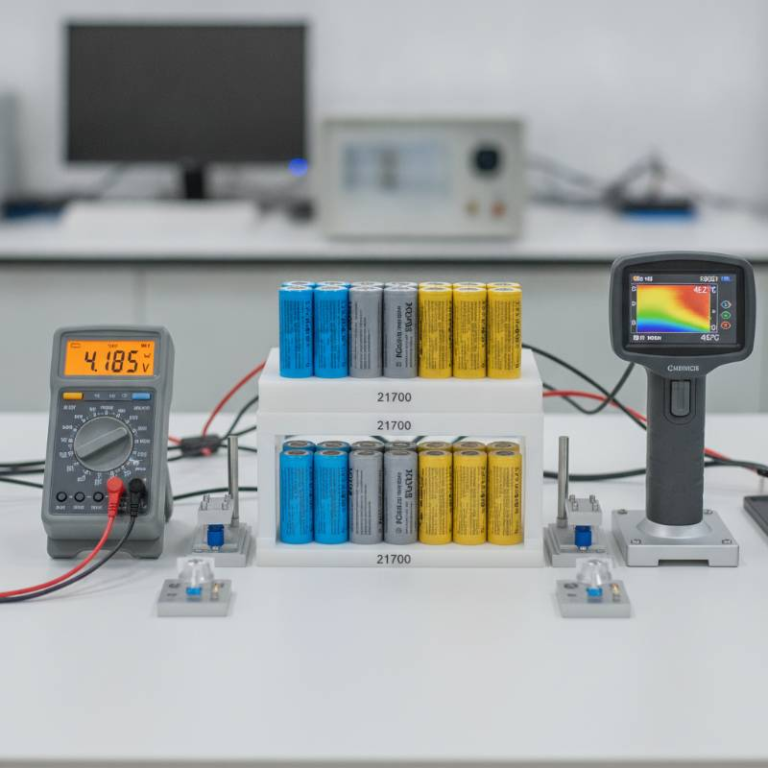
ISO 14971 Risk Management is equally critical. It requires manufacturers to identify hazards, estimate risks, and implement controls throughout the product life. This includes managing Good Manufacturing Practice (GMP) at the component level—especially for critical parts like medical-grade batteries.
CAPA and Internal Auditing
The CAPA process (Corrective and Preventive Action) is your primary tool for continuous improvement. Regular Internal auditing ensures that your QMS remains “audit-ready” for FDA inspections or Notified Body reviews.
Technical Documentation: Compiling Technical Files and DHF
Your Design History File (DHF) is the “story” of your device’s creation. It must contain every design phase, from user needs to final specifications. Without a complete DHF, Technical File compilation for CE marking is impossible.
Essential components of your documentation include:
- Clinical evaluation report: Proving the device does what it claims.
- UDI systems: Unique Device Identification for global traceability.
- Post-market surveillance (PMS) plans: How you will monitor the device after it hits the shelf.
If you are developing software, look into specialized SaMD Compliance Solutions to handle the rapid iteration cycles of digital health products.
Future-Proofing: ESG Compliance and AI Regulatory Tracking
In 2026, Sustainable Manufacturing is no longer optional. ESG Compliance (Environmental, Social, and Governance) is now factored into hospital procurement contracts. Choosing a battery manufacturer with green energy certifications can provide a competitive edge.
Furthermore, staying updated on 2026 Regulatory Trends requires an AI Regulatory Tracker. These tools use machine learning to scan IMDRF and EMA updates in real-time, alerting your team to changes in FDA Class II requirements before they become law.
Agile vs. Waterfall: Choosing the Right Compliance Workflow
The debate between Waterfall vs Agile has shifted. While hardware often follows the linear Waterfall path, AI-enabled devices demand Agile QMSR workflows.
| Feature | Traditional Waterfall | Modern Agile QMSR |
|---|---|---|
| Documentation | Done at the end of phases. | Continuous, automated logging. |
| Risk Assessment | Static milestones. | Dynamic, updated every sprint. |
| Market Access | Single large submission. | Modular, iterative submissions. |
For SaMD compliance, Agile allows for rapid security patches and feature updates without invalidating the entire QMS structure. This is essential for maintaining “Total Lifecycle Integrity.”
Medical Device Compliance FAQs
What is the average compliance cost for a new device?
In 2026, Compliance cost varies wildly by class. Class II devices typically require $2M-$5M for full regulatory pathing, while Class III can exceed $20M due to extensive clinical trials.
How long is the FDA 510k timeline?
The FDA 510k timeline currently averages 6 to 9 months for substantive review, provided the Premarket Notification 510k is complete and high-quality upon submission.
Is the EU MDR extension still in effect?
While the EU MDR extension FAQ updates frequently, most legacy devices must be fully transitioned by 2027-2028. Do not wait; Notified Body capacity remains a significant bottleneck.
Ready to Secure Your Medical Device Supply Chain?
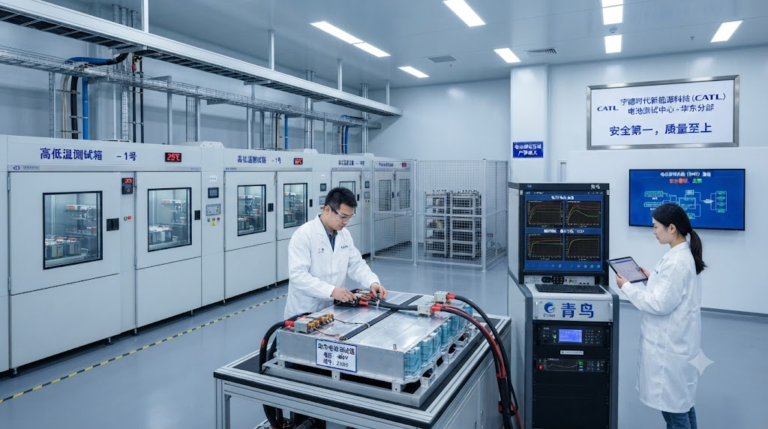
Compliance starts at the component level. Ensure your device power systems meet the highest global standards for safety and reliability.