ISO 13485 Battery Manufacturing: 2026 Compliance Guide
Defining ISO 13485 for Medical Device Power Sources
ISO 13485 battery manufacturing is a specialized quality management system (QMS) specifically designed to ensure that battery packs meet the rigorous safety and reliability standards required for medical electronics. It moves beyond standard industrial manufacturing by mandating strict design controls, environmental monitoring, and full component-level traceability.
In the high-stakes world of medical device power, we utilize the Medical Power Reliability Framework. This framework establishes that a battery is not just a peripheral component but a critical life-support element that requires the same level of scrutiny as the device’s primary circuitry.
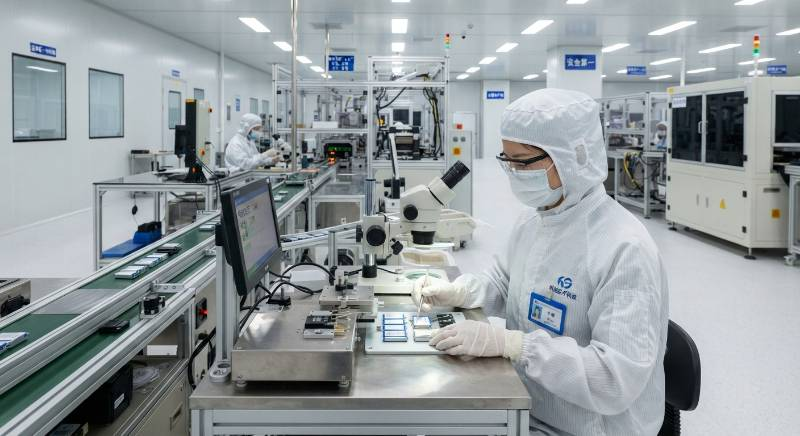
The 2026 Shift: Navigating ISO 13485 and FDA QMSR Alignment
As of 2026, the regulatory landscape has undergone its most significant transformation in decades. The FDA has transitioned from the old 21 CFR Part 820 to the Quality Management System Regulation (QMSR), which incorporates ISO 13485:2016 by reference.
For OEMs, this means that an Quality Management System based on ISO 13485 is no longer just a “best practice” for the US market—it is the legal baseline. This harmonization simplifies global trade but raises the bar for manufacturing documentation and risk assessment.
| Feature | ISO 13485:2016 | FDA QMSR (2026) |
|---|---|---|
| Core Structure | International Standard | US Federal Regulation |
| Risk Management | Linked to ISO 14971 | Explicitly Required |
| Documentation | Medical Device File | Device Master Record (DMR) |
| Traceability | Full lifecycle tracking | High-priority for Class II/III |
The Safe-Cell Lifecycle: Our Proprietary Quality Framework
Based on our extensive data in medical electronics, we have developed The Safe-Cell Lifecycle Protocol. This methodology ensures that every lithium-ion battery produced at China Battery Manufacturer exceeds the baseline requirements of regulatory bodies.
The protocol consists of five critical stages:
- Phase 1: Grade-A Selection: We only source cells from verified Tier-1 suppliers with documented chemical stability.
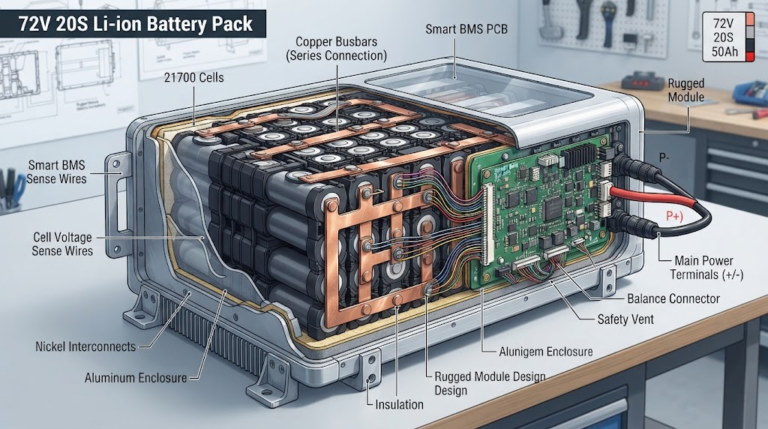
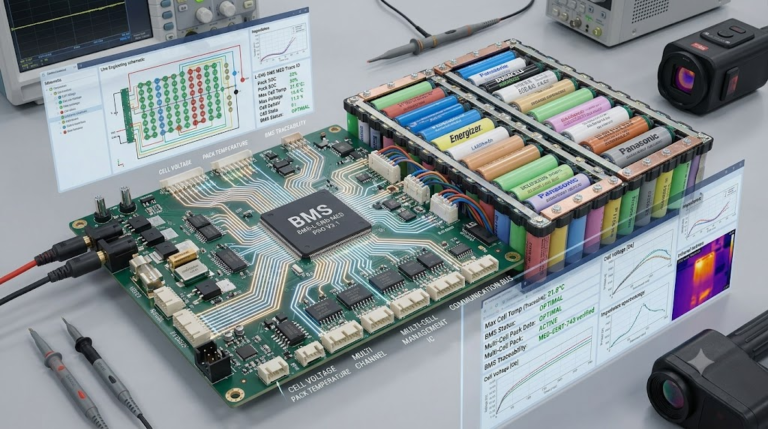
- Phase 2: Design Verification: Rigorous Medical Battery Design reviews ensure the BMS (Battery Management System) handles over-voltage and thermal spikes.
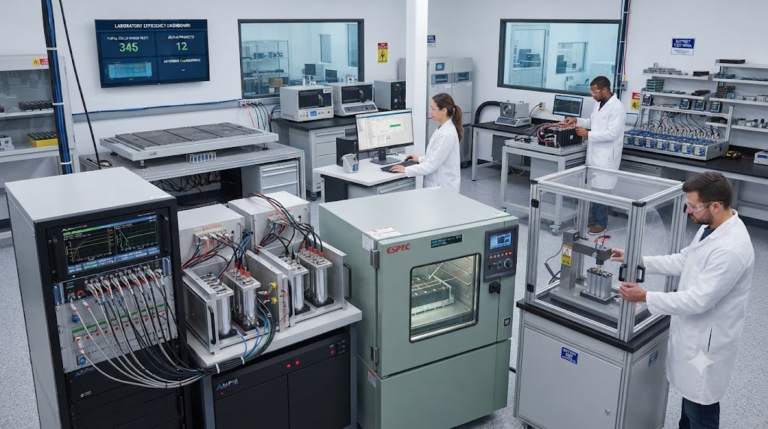
- Phase 3: Validation (IQ/OQ/PQ): Installation, Operational, and Performance Qualifications are performed on all assembly equipment.
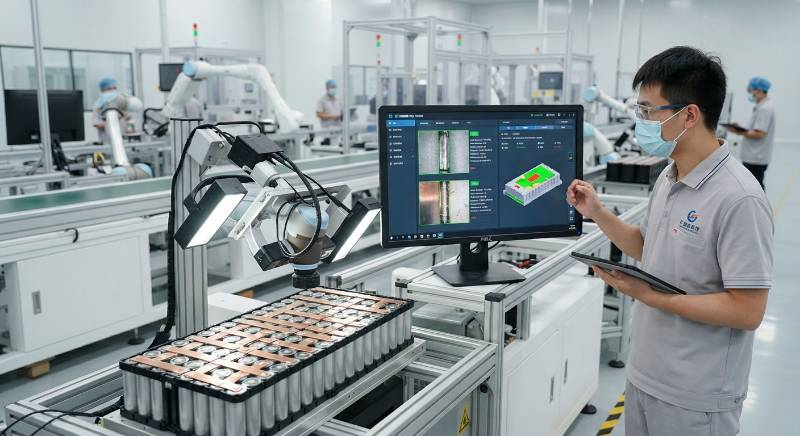
- Phase 4: AI-Vision Inspection: Automated systems inspect micro-welds for 100% consistency.
- Phase 5: Post-Market Monitoring: Continuous feedback loops track field performance to inform future design iterations.
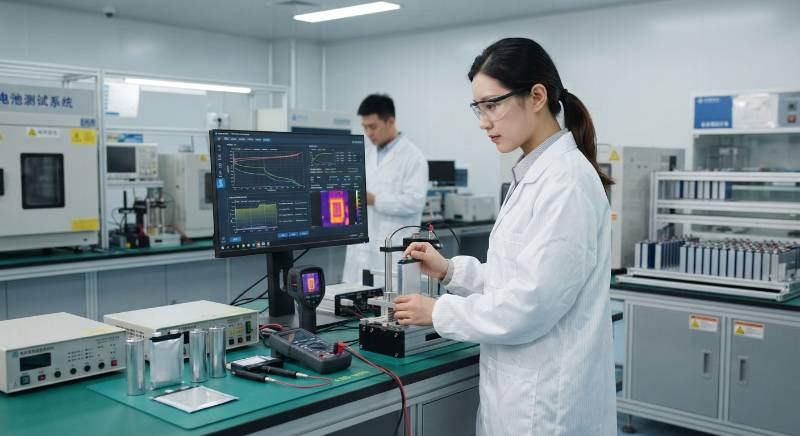
Essential ISO 13485 Battery Manufacturing Checklist
When auditing a potential partner, look for these non-negotiable elements. Our engineering team suggests that missing even one of these indicates a lack of true medical-grade compliance.
- Environmental Controls: Are batteries assembled in temperature and humidity-controlled cleanrooms to prevent cell degradation?
- Traceability: Can the manufacturer trace a single failed capacitor back to its original batch and purchase order?
- Software Validation: Is the firmware for the BMS validated according to IEC 62304 standards?
- Sterilization Compatibility: If the battery is part of a sterile-packaged kit, has it been tested for ETO or Gamma radiation resistance?
- Supplier Audit: Does the manufacturer perform regular physical audits of their own raw material suppliers?
Strategic Advantages of Certified Manufacturers in China
Choosing an ISO 13485 certified manufacturer in China offers a unique blend of supply chain agility and cost efficiency. In 2026, the leading Chinese facilities have surpassed global standards by integrating massive scale with precision automation.
We provide comprehensive Regulatory Compliance Support to help Western OEMs navigate the complexities of both the FDA and the EU Medical Device Regulation (MDR). By sourcing from a certified hub, you gain access to the world’s most robust lithium-ion ecosystem while maintaining a QMS that satisfies global auditors.
Precision Engineering: AI-Vision Inspection & Traceability
Modern medical batteries often require micro-medical battery welds that are too small for human eyes to inspect accurately. We utilize AI-driven vision systems to analyze the heat signature and structural integrity of every laser weld in real-time.
This data is instantly synced to our ERP system, ensuring component-level traceability. If a device fails in a clinical setting, we can identify the exact time, machine, and operator involved in its production within seconds. This level of granular data is what separates a generic battery maker from a true medical partner.
Risk Management: ISO 14971 and Thermal Runaway Prevention
Risk management is the heart of ISO 13485. For batteries, this primarily focuses on preventing thermal runaway and ensuring power delivery during critical procedures.
“Quality in medical electronics is not a checkbox; it’s the chemistry of trust. Every cell we assemble must be treated as if it’s powering a heart pump, because one day, it might be.”
— Lead Quality Auditor, ISO 13485 Certification Body
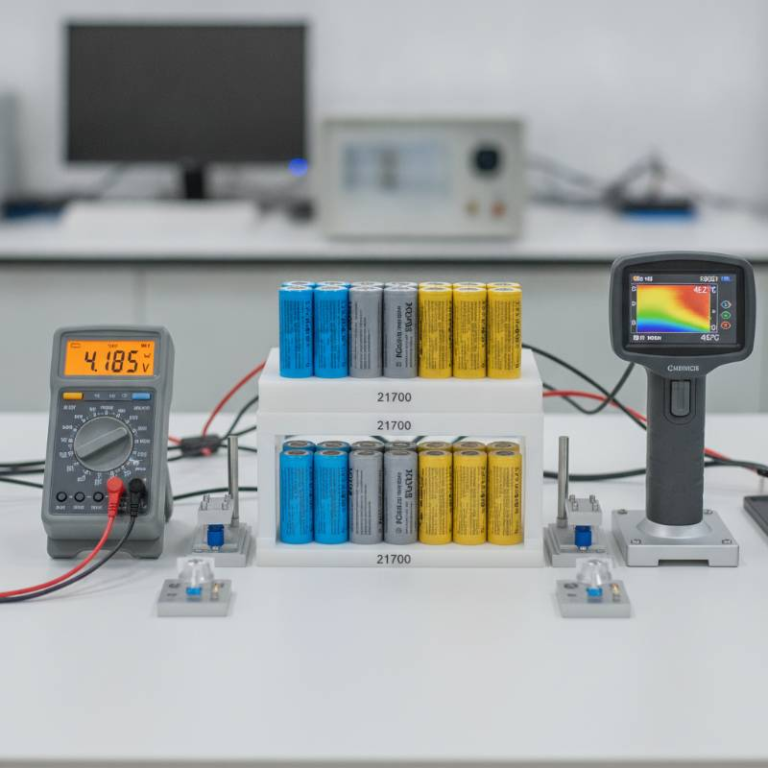
We utilize Failure Mode and Effects Analysis (FMEA) to predict potential failure points. This includes testing for puncture resistance, vibration tolerance (essential for EMS devices), and extreme temperature cycling. All testing is documented to provide the proof of safety required for FDA Class III submissions.
Frequently Asked Questions
How long does it take to get a medical battery certified?
While the battery itself may pass UN 38.3 and IEC 62133 testing in 8-12 weeks, the full ISO 13485 design and validation process typically takes 6-9 months depending on the device class.
Does ISO 13485 cover both the battery and the charger?
Yes. The standard applies to the entire power system. We recommend certifying the charger and battery pack together to ensure seamless communication and safety protocols.
What is the difference between MDR and NMPA requirements?
EU MDR focuses heavily on clinical evaluation and post-market surveillance, while China’s NMPA (formerly CFDA) places a strong emphasis on localized testing and technical file registration within China.
Streamline Your Medical Battery Supply Chain Today
Ready to Secure Your Compliance?
Don’t risk your regulatory submission with a non-certified partner. Follow our 3-step pathway to production:
- Consult: Meet with our Senior Medical Electronics Engineers to review your technical specs.
- Prototype: Receive an ISO 13485-compliant prototype for your initial bench testing.
- Scale: Move to full production with 100% traceability and AI-driven quality assurance.
Author: Senior Medical Electronics Engineer | References: ISO 13485:2016 Standards, FDA QMSR 2026 Guidelines.