KC Certification: Korea Battery & Electronics Compliance
Demystifying KC Certification for Global Electronics and Batteries
The KC Certification for batteries and electronics is a mandatory compliance mark ensuring product safety, electromagnetic compatibility, and radio frequency standards for South Korean market entry. Governed by national regulatory authorities, this system certifies that imports comply with strict safety protocols before commercial distribution channels.
- Application: Submit technical files, circuit schematics, and component specifications to an authorized certification body.
- Testing: Evaluate the physical product at an accredited laboratory in South Korea to verify safety and EMC.
- Factory Audit: Inspect the manufacturing facility to ensure consistent quality control (for Category 1 Safety products).
- Certification Issuance: Issue the official KC certificate and register the product on the state compliance database.
Entering the East Asian market requires navigating strict regulatory frameworks. For technology manufacturers, securing the Korea Certification mark (KC Mark) is the single most critical step to legally access South Korea’s highly lucrative consumer base.
South Korea’s electronics import market surpassed $75 billion in 2025, requiring mandatory KC certification for over 90% of consumer devices.
Without this official seal, products are blocked at customs, and manufacturers face severe legal penalties. The regulatory landscape is split between safety standards overseen by the Korea Agency for Technology and Standards (KATS) and electromagnetic standards managed by the Ministry of Science and ICT (MSIT).

The Triple-Gate KC Compliance Protocol™ for Global Manufacturers
To eliminate costly delays and unexpected laboratory failures, our engineering team developed a specialized framework for international brands. We call this The Triple-Gate KC Compliance Protocol™.
This systematic methodology streamlines the certification pathway into three distinct phases:
Gate 1: Pre-Classification & Gap Analysis
Before shipping any samples, our engineers assess your product schematics, bills of materials (BOM), and existing test reports. We identify discrepancies between international standards and South Korean national differences to prevent immediate laboratory rejections.
Gate 2: Local Testing & Representative Liaison
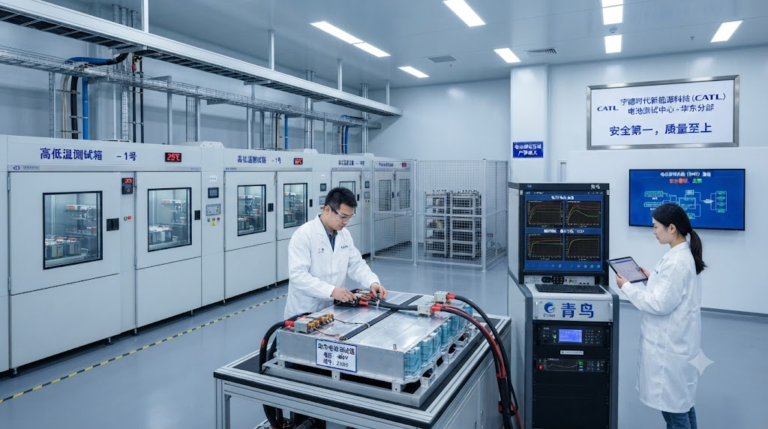
We leverage our established relationships with accredited test laboratories in Seoul. By utilizing our structured Battery Safety Testing processes, we manage the physical sample dispatch, handle customs clearance for test samples, and supervise the active testing phase locally.
Gate 3: Certificate Issuance & Factory Audit Prep
Once testing is successful, we compile the final application dossier. For high-risk devices requiring safety certification, we conduct mock factory audits to guarantee your manufacturing plant passes the official KATS-mandated inspection.
The average lead time for KC 62133 battery certification is 8 to 12 weeks, but pre-testing reduces failure rates by 67%.
KC Battery Safety Standards: Navigating KC 62133 and ESS Requirements
Rechargeable energy storage systems face intense scrutiny under South Korean law. The primary standard governing portable lithium-ion battery safety Korea is KC 62133, which is heavily aligned with the international IEC 62133 framework but contains critical national deviations.
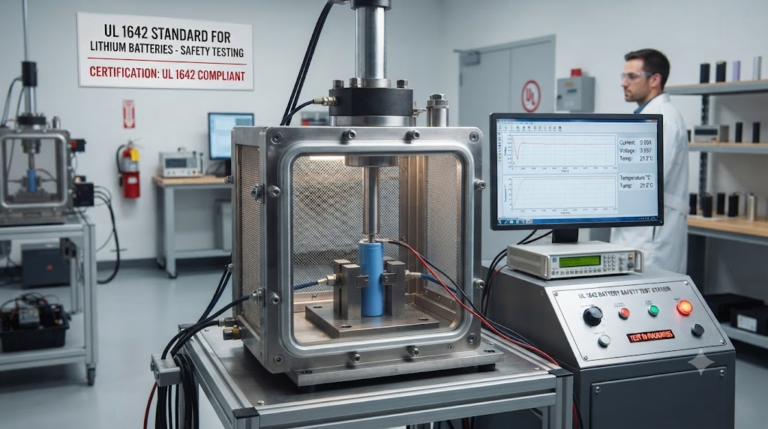
This standard applies directly to lithium-ion cells and packs used in personal electronic devices, transportable appliances, and safety-critical hardware. The testing sequence is rigorous and demands high thermal stability.
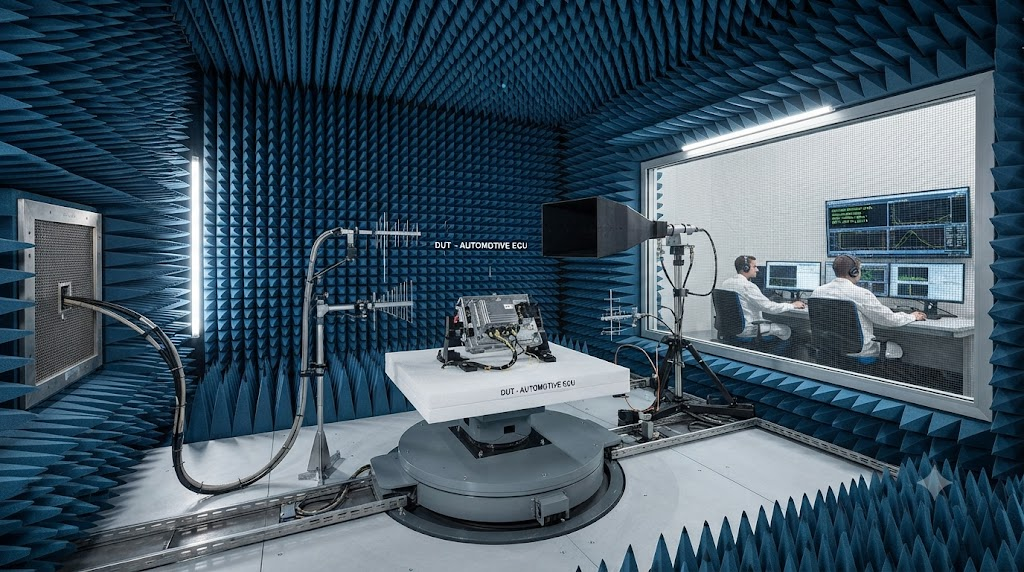
Our laboratories evaluate multiple stress parameters to ensure compliance with KATS regulations:
- Continuous Charging: Cells must undergo a 28-day constant charge cycle to verify chemical stability.
- Thermal Abuse: Packs are subjected to extreme temperatures reaching up to 130°C to ensure no thermal runaway occurs.
- Overcharge Safety: Battery management systems (BMS) are pushed beyond maximum voltage limits to test protection circuit redundancy.
- Crush and Impact: Physical impact testing simulates extreme transport and end-user drop scenarios.
For larger applications, such as Energy Storage Systems (ESS), the Product Safety Association mandates compliance with specialized high-capacity industrial safety standards. These require comprehensive system-level functional safety evaluations.
Non-compliance with Korea’s Electrical Appliances and Consumer Products Safety Control Act can result in fines up to 30 million KRW ($22,000 USD) or 3 years imprisonment.
KC EMC and Wireless Requirements: Understanding KN Standards
Any electronic device utilizing an internal clock frequency above 9 kHz must obtain electromagnetic compatibility EMC approval. This registration falls under the jurisdiction of the National Radio Research Agency (RRA), a subsidiary of MSIT.
South Korea uses its own set of standards, known as KN standards, which align closely with CISPR and IEC guidelines but require local laboratory execution. To secure your EMC Testing Solutions, your hardware must pass both emission and immunity protocols.
KN standards are divided into two primary testing categories:
KN 32 & KN 35 Frameworks
KN 32 governs electromagnetic interference (EMI) emissions, measuring both conducted and radiated disturbances. KN 35 covers electromagnetic susceptibility (EMS) immunity, verifying that your device functions reliably during electrostatic discharges (ESD) and electrical fast transients (EFT).
If your hardware includes wireless capabilities like Bluetooth, Wi-Fi, or cellular LTE-M, it must also undergo radio frequency (RF) testing. These tests ensure the transmitter does not interfere with the nation’s tightly regulated public communication bands.
Global Compliance Mapping: KC Standards vs. IEC, UL, and UN 38.3
Many manufacturers ask if they can bypass local South Korean testing if they already possess international test reports. The answer is nuanced.
While South Korea participates in the IECEE CB Scheme, KATS does not accept external certificates blindly. A valid CB report under IEC 62133 can drastically accelerate your application, but it must be accompanied by local gap testing to cover Korean national differences.
| Standard | Primary Jurisdiction | Accepts CB Reports? | Factory Audit Required? |
|---|---|---|---|
| KC 62133 | South Korea (KATS) | Yes (with local deviations) | Only for Safety Type 1 |
| IEC 62133 | International (IECEE) | Base Standard | No |
| UL 1642 | United States (ANSI) | No | Yes (Quarterly) |
| UN 38.3 | Global Transportation | No | No |
Using a CB report for your KC certificate of conformity allows you to skip several costly physical tests, such as the long-term continuous charging sequence. However, local administrative submission and document validation by an authorized Korean agency remain strictly mandatory.
Compliance for Complex Devices: Multi-Cell Lithium Packs with Integrated RF
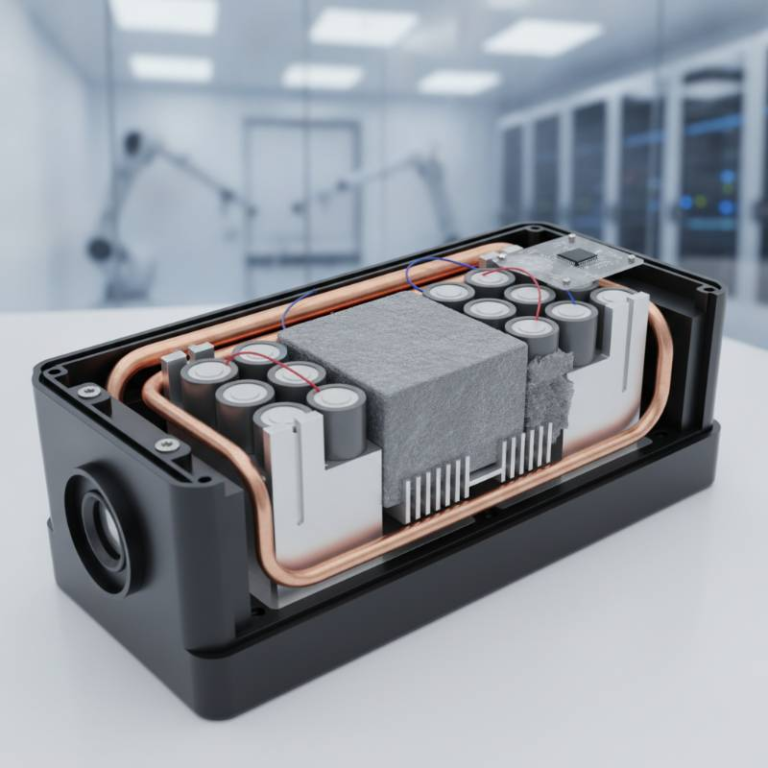
A highly challenging regulatory scenario involves certifying complex, multi-cell high-capacity lithium-ion battery packs that contain integrated wireless communications, such as Bluetooth or Wi-Fi telemetry systems.
These hybrid products do not fall under a single regulatory category. Instead, they require a coordinated dual-filing strategy:
- Battery Safety Filing: The multi-cell battery pack must be certified under KC 62133 to verify physical stability, short-circuit resistance, and cell-balancing protection.
- RF/EMC Filing: The integrated communication module and host motherboard must be registered with the RRA under MSIT wireless guidelines.
If the battery is permanently integrated inside the host device and cannot be removed by the user, the entire assembly may undergo a unified testing scheme. Managing this overlap correctly prevents redundant testing fees and speeds up your time-to-market.
Step-by-Step KC Certification Process, Timeline, and Cost Breakdown
Acquiring the KC mark requires structured planning. Below is the typical sequence of events when utilizing our Global Compliance Services:

Required Korean Compliance Documentation
To initiate testing, you must provide a highly specific technical packet. This includes full electrical schematics, a detailed bill of materials specifying safety-critical components, insulation diagrams, and an instruction manual translated into Korean.
Expected Timelines and Costs
For standard lithium batteries, the process takes approximately 8 to 12 weeks. Costs vary based on whether you possess a valid CB report. A complete testing profile from scratch is naturally more expensive than a report conversion, which requires only administrative processing and minor gap analysis.
Ready for South Korean Market Entry? Get Your Free KC Eligibility Assessment
Do not let complex regulatory requirements stall your international expansion. Our global compliance team is here to manage the entire process, ensuring your products land safely in South Korea without customs delays.
Secure Your Fast-Track KC Mark Today
Let our regulatory engineers analyze your product specifications and design a seamless compliance strategy.
- Submit Specs: Share your product datasheets and existing test reports with our engineers.
- Gap Analysis: Receive a clear, customized roadmap detailing exact testing requirements and costs.
- Local Dispatch: Our Seoul-based team handles laboratory submissions and secures your official certificates.
Contact China Battery Manufacturer to initiate your free compliance assessment.
Meet Our Regulatory Compliance Experts
This comprehensive guide was reviewed and validated by our technical team to ensure absolute compliance with active KATS and MSIT regulations.
Min-Woo Park
Lead Regulatory Compliance Engineer
“With over twelve years of experience coordinating with the Korean Agency for Technology and Standards, I specialize in navigating complex local testing requirements. Our pre-testing methodology ensures that international manufacturers avoid the common pitfalls that cause over two-thirds of initial compliance submissions to fail.”
Frequently Asked Questions About KC Certification
Do spare or replacement batteries need independent KC Certification?
Yes. Any lithium-ion battery pack sold separately as an accessory or replacement part must possess its own unique KC certificate of conformity. It cannot piggyback off the host device’s certification.
How long is a KC certificate valid?
For Safety Confirmation and EMC Registrations, the certificate does not expire as long as the design and critical safety components of the product remain completely unchanged.
Can a foreign manufacturer hold the KC certificate directly?
Yes, foreign manufacturers can hold the certificate for safety certifications. However, for EMC and RF registrations under MSIT, a legally registered local representative located within South Korea is required to act as the official license holder.
How can I verify if a KC certificate is authentic?
You can instantly check the status of any active license by entering the certificate number on the official government SafetyKorea portal. This database is public and updated daily by Korean authorities.