Custom Drone Battery Manufacturing: High-Performance OEM Solutions
Custom Drone Battery Manufacturing: Precision Power for Modern UAVs
What Defines a High-Performance Custom Drone Battery?
Custom drone battery manufacturing is the precision engineering of tailored power solutions for unmanned aerial vehicles. It integrates specific cell chemistries, intelligent management systems, and specialized enclosures to meet rigorous flight requirements.
- Design Specification: Defining voltage, capacity, and discharge rates.
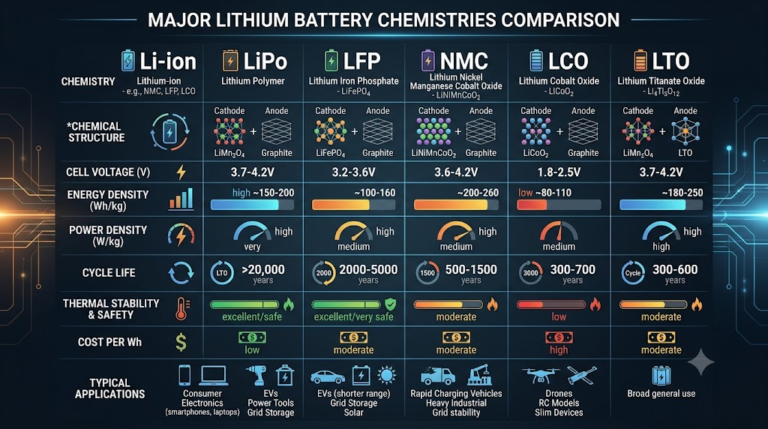
- Cell Chemistry Selection: Choosing between NMC, LFP, or solid-state cells.
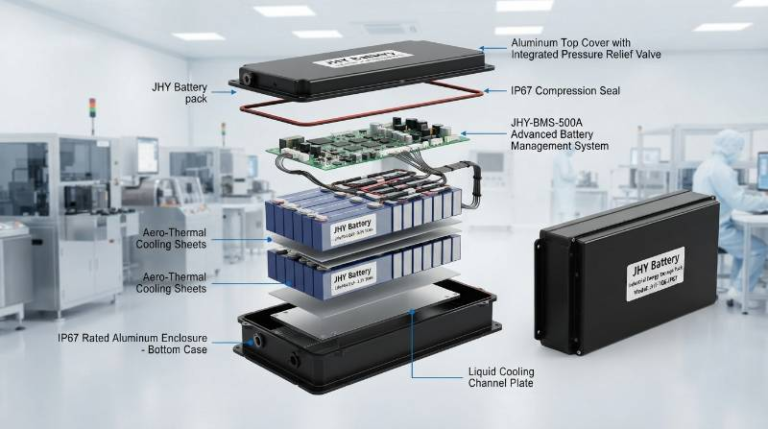
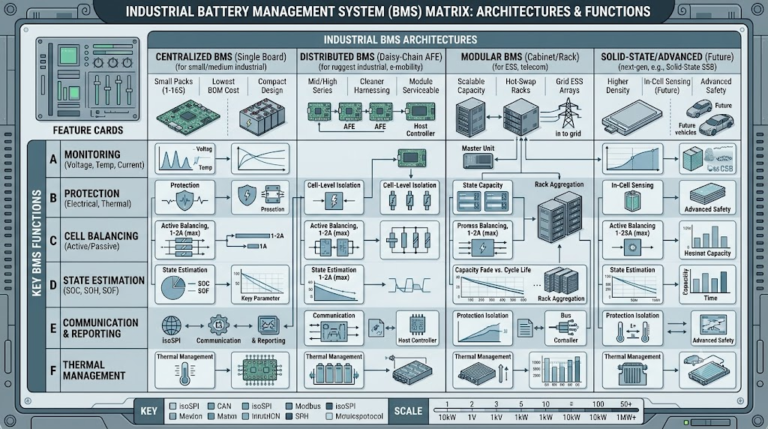
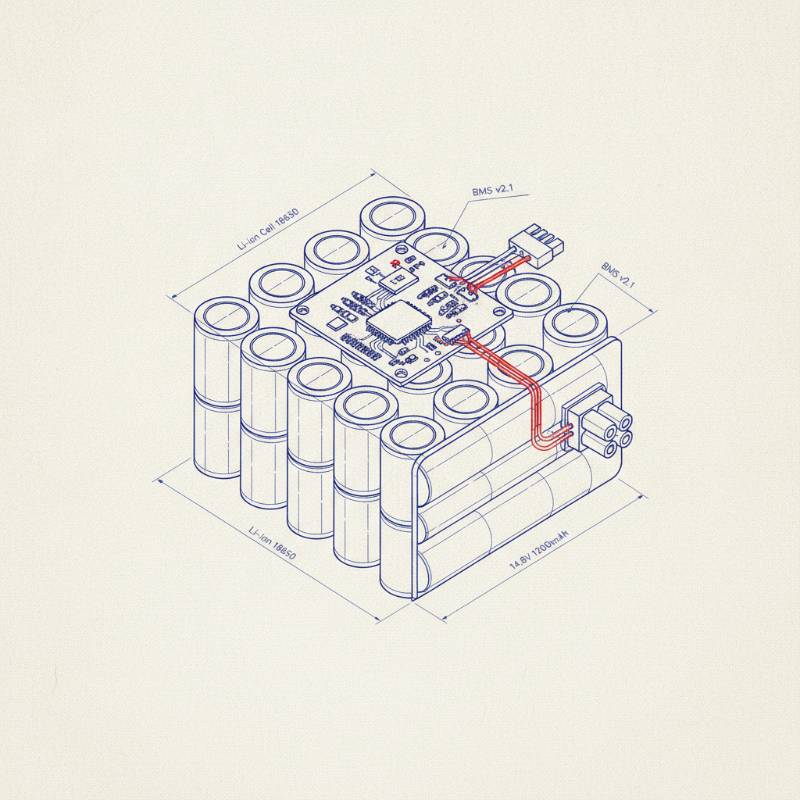
- BMS Integration: Implementing hardware/software for state-of-health (SoH) tracking.
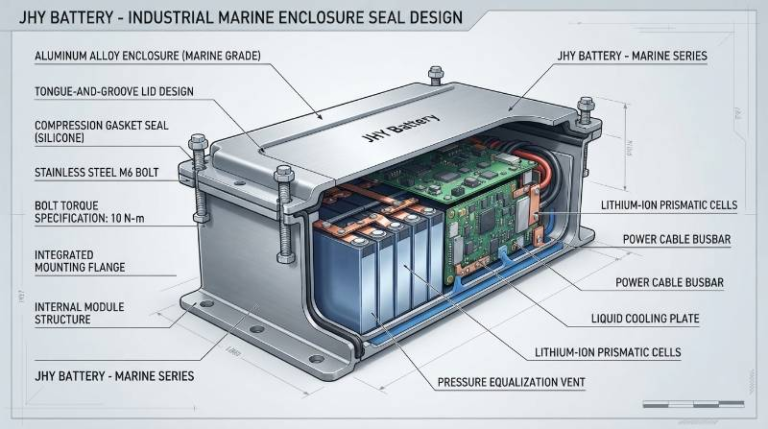
- Housing Fabrication: Engineering impact-resistant and thermally conductive shells.
- Safety Testing: Validating performance under extreme vibration and temperature.
- Regulatory Certification: Meeting UL, CE, and UN38.3 international standards.
The Aero-Core™ Manufacturing Framework
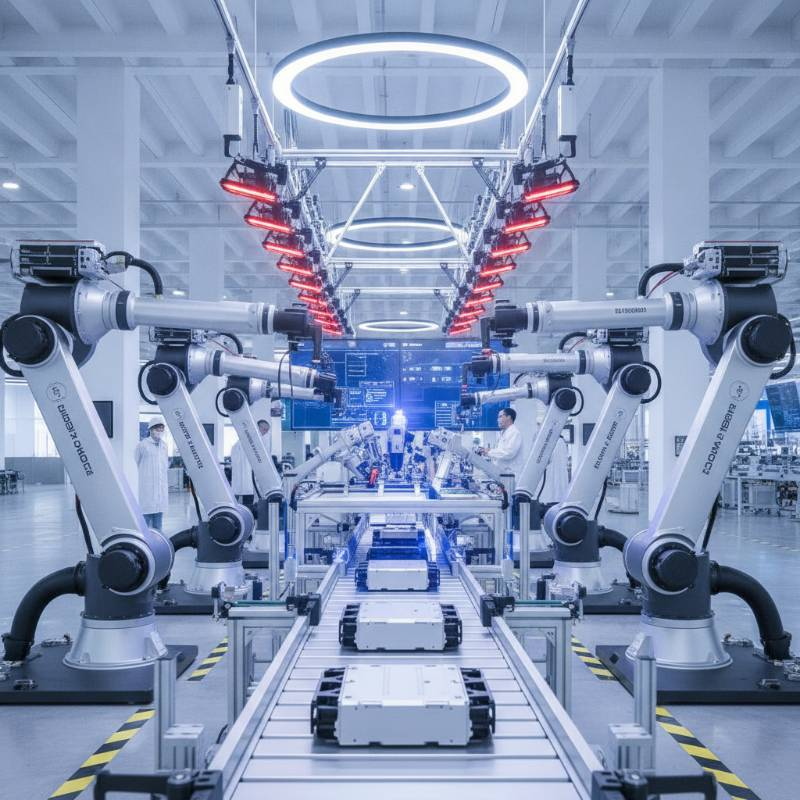
At China Battery Manufacturer, we utilize the Aero-Core™ Manufacturing Framework. This proprietary methodology ensures every Industrial Battery Manufacturing project meets aerospace-grade reliability.
Phase 1: Cell Selection & Energy Density
We prioritize lithium polymer cells and high-nickel NMC chemistries to achieve energy densities of 280-320Wh/kg. For heavy-lift industrial drones, the discharge rate (C-rating) is optimized to prevent voltage sag during high-torque maneuvers.
Phase 2: Thermal Management & Anti-Vibration
High-performance UAVs generate significant heat. Our designs incorporate phase-change materials (PCM) and thermal management channels. Anti-vibration packaging uses medical-grade silicone cushioning to protect cells from the high-frequency resonances of drone motors.
Smart BMS Integration: AI-Driven Predictive Maintenance
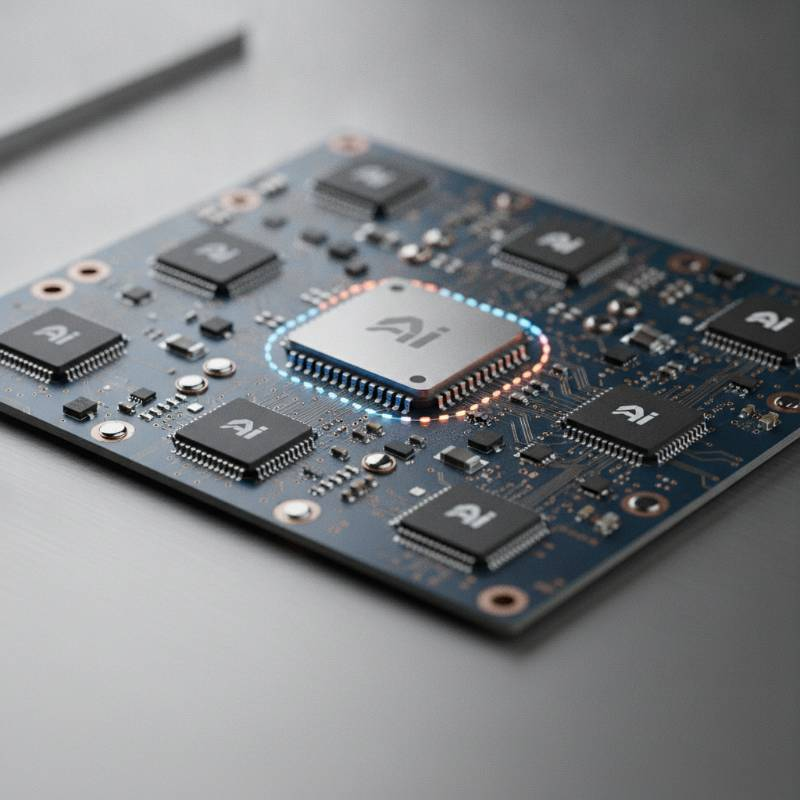
Modern Smart BMS Solutions go beyond simple protection. In 2026, we integrate AI algorithms that analyze voltage regulation patterns in real-time. This allows for predictive maintenance, alerting operators to potential cell failure before it results in a “fly-away” or crash.
“By maintaining a cell pressure and voltage differential of less than 5mV, we extend the cycle life of industrial packs by up to 30% compared to off-the-shelf alternatives.” — Dr. Aris Thorne, Senior Battery Systems Engineer.
Technical Specifications and Quality Control Standards
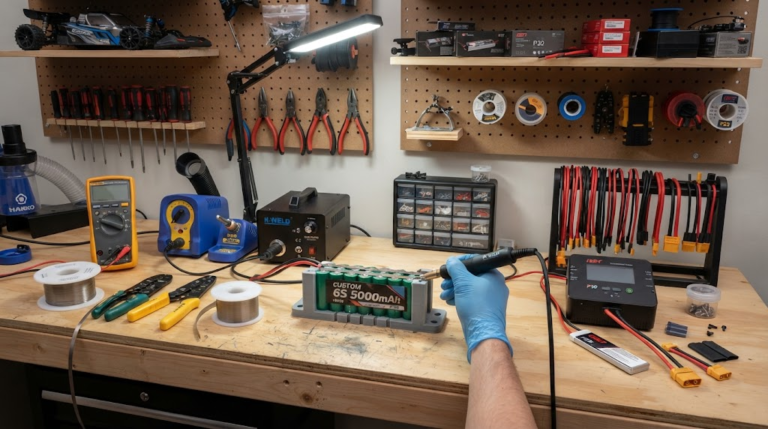
Reliability is built through automated assembly lines. Human error is eliminated in the spot-welding and wire-bonding stages. We strictly adhere to IEEE standards for battery safety and performance.
| Feature | Standard Pack | Custom OEM Pack |
|---|---|---|
| Energy Density | 220-240 Wh/kg | 280-320 Wh/kg |
| Cell Voltage Gap | <20mV | <5mV |
| Cycle Life | 300 Cycles | 500-800 Cycles |
| Communication | SMBus / I2C | CANbus / Encryption |
Navigating Global Compliance: NDAA and BABA
For defense contractors and government agencies, NDAA compliance is a critical requirement. We provide full supply chain transparency to ensure that components meet the rigorous standards for aerospace deployment. This includes adherence to FAA regulations regarding lithium battery transport and safety.
Our ISO 9001:2015 certified factory utilizes automated testing rigs to validate every pack against UL certification requirements. This ensures that your UAV fleet is ready for global export without regulatory friction.
Sustainability in Drone Power: Green Manufacturing
As the UAV industry scales, battery recyclability becomes paramount. We have implemented green drone manufacturing protocols that prioritize the use of recyclable aluminum housings and cobalt-reduced chemistries. Our 2026 roadmap includes solid-state electrolyte research to further reduce environmental impact while increasing safety.
Lead Times, MOQ, and Prototyping Workflow
Efficiency in battery prototyping is our competitive edge. Our workflow is designed to move from concept to flight-ready sample rapidly.
- Initial Consultation: 48 hours to review technical specifications.
- Design & Engineering: 1-2 weeks for 3D modeling and BMS logic mapping.
- Prototyping: 4-6 week lead time for functional samples.
- MOQ: Flexible minimum order quantities for industrial-scale production.
Consult with a Lead Power Systems Engineer
Ready to optimize your UAV’s flight time and reliability? Our engineering team provides free technical consultations to help you navigate the complexities of UAV Battery Technology Overview.
Submit your RFP today to receive a detailed custom drone battery specification sheet.
Frequently Asked Questions
LiPo vs. Li-ion: Which is better for drones?
LiPo (Lithium Polymer) offers higher discharge rates for racing or acrobatic drones. However, Li-ion (Lithium-ion) provides superior energy density for long-endurance industrial surveillance and delivery UAVs.
How can I optimize the weight-to-power ratio?
Optimizing the weight-to-power ratio involves using high-voltage (LiHv) cells and lightweight carbon-fiber-reinforced enclosures. Minimizing internal wiring through integrated PCB busbars also reduces “dead weight.”
What is the typical drone battery life?
Industrial packs typically last 500-800 cycles when managed by a smart BMS. Total flight time per charge depends on the energy density and the drone’s total takeoff weight (MTOW).
About the Expert Reviewer
This guide was reviewed by our Senior Battery Systems Engineer, a specialist with over 15 years in aerospace power expert roles. His work focuses on the intersection of high-voltage safety and energy density optimization for next-generation Unmanned Aerial Vehicles.