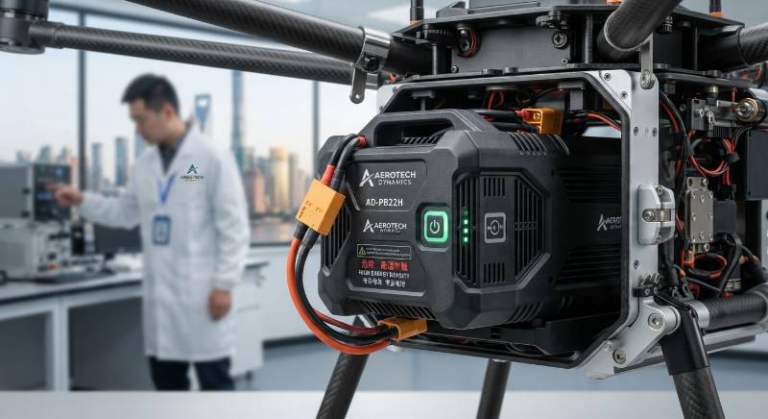
Custom Lithium Battery Packs for High-End RC Vehicles
Anatomy of a High-Performance Custom RC Battery Pack
Custom lithium RC battery design requires configuring tailored cell chemistry, continuous C-rating, milliamp-hour capacity, and series-parallel architecture into an exact chassis envelope. High-grade custom packs eliminate voltage sag, match internal cell resistance precisely, and utilize low-loss conductors to maintain maximum power output under heavy current loads.
- Lithium Polymer (LiPo / HVLi): Highest power-to-weight ratio and transient current delivery (up to 150C burst); ideal for competitive RC drag racing and FPV freestyle.
- Lithium-Ion Cylindrical (21700 / 18650): Superior gravimetric energy density (up to 260 Wh/kg) and rigid mechanical durability; ideal for long-range FPV, UAVs, and endurance rock crawlers.
- Lithium Iron Phosphate (LiFePO4): Ultra-stable thermal safety and 2,000+ cycle life with lower nominal voltage (3.2V/cell); preferred for receiver packs and industrial field telemetry.
- High-Voltage LiPo (HVLi): Chemically modified formulation operating at 4.35V per cell nominal cutoff, delivering immediate punch and higher top-end rotor RPM.
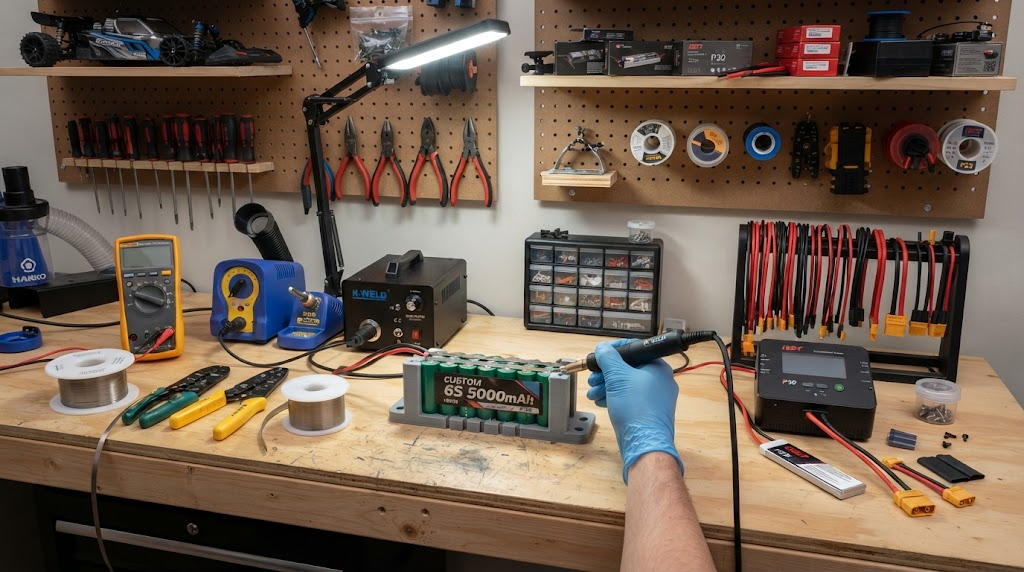
Standard off-the-shelf battery packs are manufactured to broad commercial tolerances. For a casual hobbyist running a stock 1/10-scale basher, mass-market LiPos suffice. However, pushing a 1/5-scale brushless setup, a competitive speed-run chassis, or an industrial cinema drone quickly reveals the weak points of generic packs.
Mass-market packs frequently suffer from dynamic voltage sag under throttle spikes exceeding 150A. When voltage drops under load, your electronic speed controller (ESC) hits premature Low Voltage Cutoff (LVC), motors overheat due to current demand compensations, and top-end speed plummets.
Building high-performance power solutions through JHY Battery solves these mechanical and electrical bottlenecks. Custom engineering allows builders to select specific cell grades, customize geometry to odd chassis battery trays, and build low-resistance interconnections built to handle extreme mechanical vibration.
Cell Chemistry Selection: LiPo Pouch vs. Li-ion 21700 vs. LiFePO4
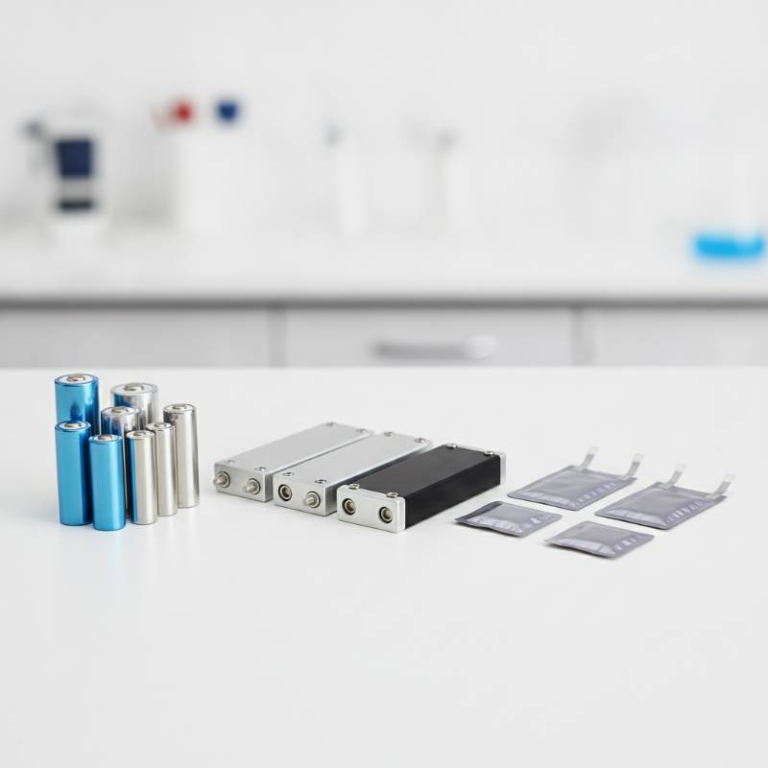
Selecting the correct lithium chemistry requires balancing discharge rates, gravimetric energy density, and mechanical form factors. No single cell type fits every RC application.
Energy density determines how long your vehicle runs, while discharge rate determines how fast it accelerates. Maximizing one often requires compromising the other.
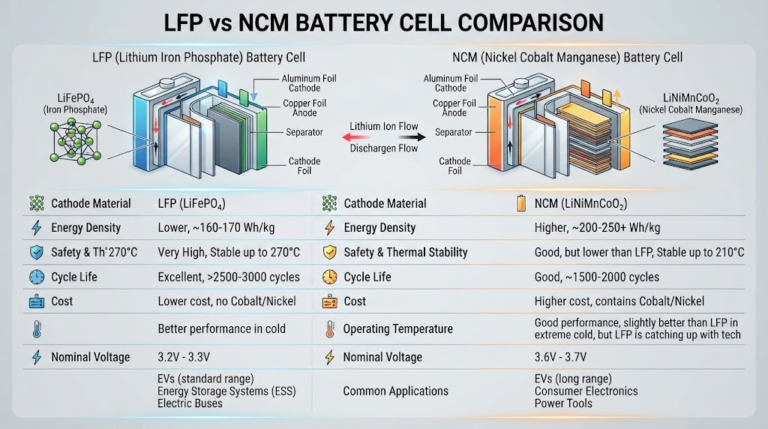
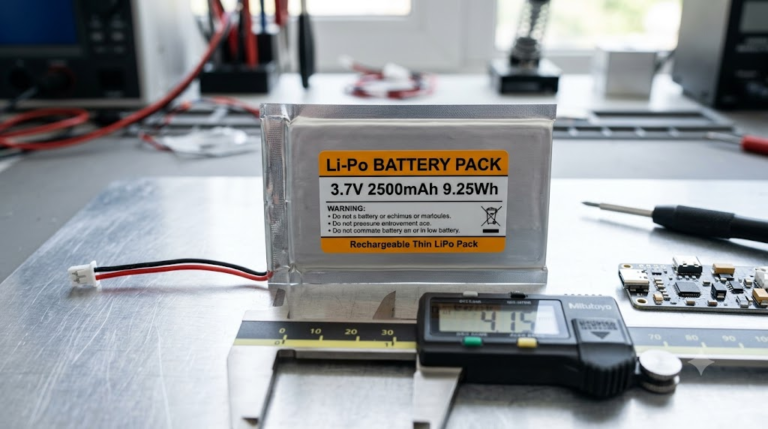
Lithium Polymer (LiPo) Pouch Cells: Flat pouch LiPo cells utilize a laminated aluminum foil exterior. This design allows for large surface-area electrodes, yielding exceptionally low internal resistance (IR) and discharge rates between 50C and 150C burst. They excel in high-drain scenarios like 3D aerobatic RC helicopters and competitive touring cars, though their soft exterior requires structural hard-casing in high-impact land vehicles.
21700 Cylindrical Li-ion Cells: Utilizing steel cylinder casings, modern high-drain 21700 cells (such as the Molicel P45B or Samsung 40T) have transformed long-endurance RC builds. While continuous discharge is lower than high-end LiPo pouches (typically 35A to 45A per cell continuous), their energy density reaches 250–265 Wh/kg—nearly double that of traditional RC LiPo packs. Paralleling these cells (e.g., 6S2P or 8S3P) satisfies high current demands while doubling runtime.
Lithium Iron Phosphate (LiFePO4): LiFePO4 delivers superior thermal runaway prevention and robust mechanical stability according to standards outlined by the IEEE Standards Association. While heavier and limited to 3.2V nominal voltage per cell, LiFePO4 will not catch fire if punctured during high-speed crashes, making it an excellent choice for receiver power packs, ignition units, and extreme-weather RC crawlers.
| Chemistry | Nominal Voltage | Max Continuous Discharge | Energy Density | Best For |
|---|---|---|---|---|
| Standard LiPo | 3.70V / cell | 45C – 75C | 140–170 Wh/kg | 1/8 & 1/10 Track Racing, FPV Freestyle |
| High-Voltage LiPo (HVLi) | 3.80V (4.35V max) | 65C – 120C | 160–185 Wh/kg | Speed Runs, 1/5 Drag Racing, Drone Racing |
| High-Drain 21700 (Li-ion) | 3.60V / cell | 10C – 15C (45A/cell) | 240–265 Wh/kg | Long-Range UAVs, Crawlers, RC Boats |
| LiFePO4 | 3.20V / cell | 4C – 10C | 90–120 Wh/kg | Receiver Packs, Harsh Environment Crawlers |
The Quad-Vector Cell Pairing (QVCP) Protocol for Zero-Sag Performance
A battery pack is only as strong as its weakest cell. In high-discharge RC applications, cell mismatching leads to thermal hotspots, accelerated degradation, and severe voltage sag.
To eliminate these points of failure, industrial builds rely on our proprietary Quad-Vector Cell Pairing (QVCP) Protocol. This 4-stage validation process ensures absolute electrical balance across all series and parallel elements before pack assembly begins:
- AC Milliohm Impedance Characterization: Every individual cell undergoes 1kHz AC internal resistance testing. Internal resistance variance of under 0.5mΩ across matched cells reduces pack thermal degradation by up to 34% during sustained 120A continuous discharge.
- Dynamic Pulse Load Profiling: Cells are subjected to automated 10-second high-burst discharge sweeps to map dynamic voltage drop curves, ensuring identical discharge slopes under sudden ESC load changes.
- Thermal Gradient Mapping: High-precision FLIR thermal imaging measures surface temperature rise during continuous discharge to verify uniform chemical impedance across the internal electrode plates.
- High-Precision Capacity Binning: Cells are grouped within a strict ±1.0% capacity window at nominal discharge to prevent individual cell over-discharge during high-throttle cutoffs.
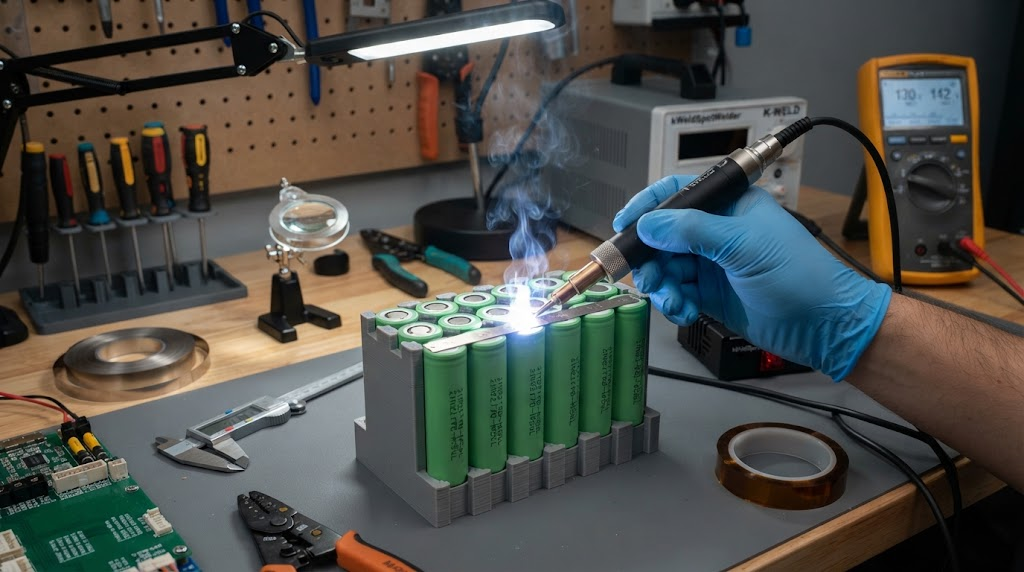
By enforcing the QVCP Protocol during the manufacturing stages at JHY Battery , custom packs maintain stable cell balancing without drifting, significantly extending their working life under competitive track conditions.
High-Current Pack Assembly: Busbars, Spot-Welding, and Smart BMS Integration
High discharge rates generate significant heat across inter-cell connections. Standard pure nickel strips (0.15mm thickness) create severe thermal bottlenecks when pushed beyond 40A, heating up and robbing power from the motor.
For high-current custom cylindrical builds (e.g., 21700 or 18650 packs), we utilize copper-nickel sandwich busbars. A 0.2mm pure copper layer is bonded over the cell terminals using a 0.15mm slotted nickel overlay. The copper carries high current loads with minimal resistance, while the nickel allows micro-gap resistance spot welding to make clean, secure bonds directly onto the cell casing without heat soaking the internal chemistry.
Spot welding battery tabs with high-frequency micro-inverter welders ensures millisecond pulse durations, preventing thermal damage to the internal safety gaskets of the cells.
When engineering custom packs, you must also decide whether to integrate an onboard Battery Management System (BMS) or build a balance-only configuration:
- Balance-Lead Only (Direct Output): Preferred for competitive RC drag racing, 3D flight, and spec racing. Eliminates the weight, bulk, and potential thermal throttling of a BMS circuit board. Pack safety and cell balancing rely entirely on external microprocessor chargers and the ESC’s programmable low-voltage cutoff.
- Smart BMS Integration: Essential for autonomous UAVs, long-range surface explorers, and industrial RC applications. Custom Smart BMS units feature Bluetooth telemetry, integrated thermal sensors, over-current protection, and individual cell voltage monitoring that transmits real-time diagnostics back to the ground station.
Connector and Wire Gauge Benchmark Guide for High-Voltage Systems
Even perfectly matched cells will perform poorly if connected through undersized wiring or resistive plugs. High continuous discharge demands thick silicone wiring and anti-spark, high-amperage terminals.
Upgrading from 10 AWG to 8 AWG silicon wire on systems exceeding 180A peak burst drops wire-induced voltage drop by 38.2% across a standard 150mm lead. This ensures that high power output reaches the speed controller rather than dissipating as waste heat along the chassis harness.
| Connector Type | Continuous Rating | Peak Burst (10s) | Contact Resistance | Anti-Spark Feature |
|---|---|---|---|---|
| XT60H | 60A | 100A | 0.80 mΩ | No |
| XT90-S | 90A | 160A | 0.45 mΩ | Integrated Resistor |
| EC8 | 150A | 220A | 0.25 mΩ | No |
| QS8-S Anti-Spark | 200A | 400A+ | 0.15 mΩ | Integrated Resistor |
| SUPRA X (6mm / 8mm) | 180A–250A | 350A+ | 0.18 mΩ | Optional Housing |
For systems operating on 8S (33.6V) or higher, always select connectors with built-in anti-spark resistors, such as the QS8-S or XT90-S. Connecting high-voltage packs without spark protection causes capacitive arcing across the gold contacts, eroding the connector pins and increasing contact resistance over time.
Application-Specific Fitment and Performance Blueprints
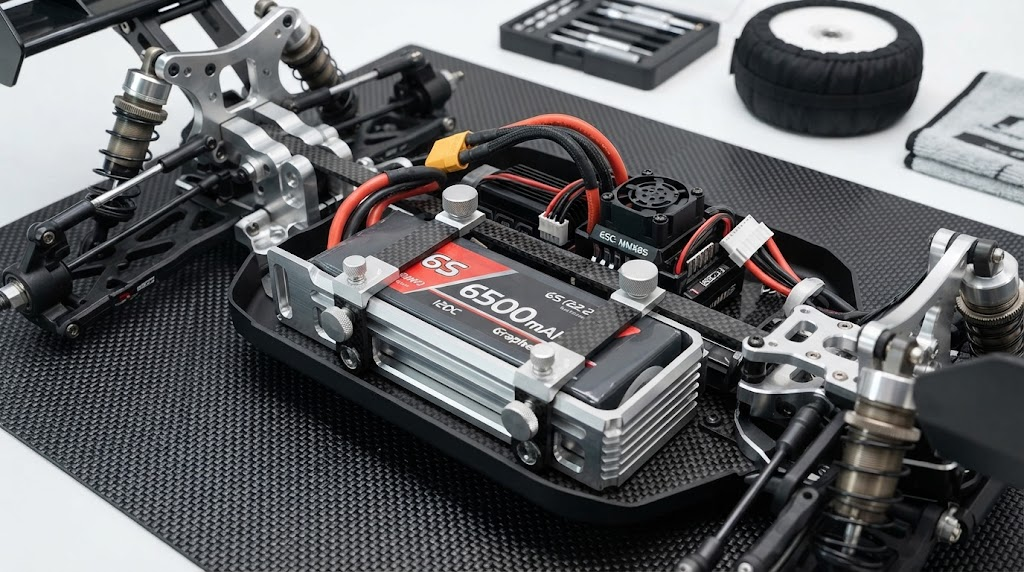
Different competitive disciplines demand specific battery pack geometries, weight balances, and discharge envelopes. Here is how custom pack design optimizes power delivery across demanding RC platforms.
FPV Racing and Heavy-Lift Rigs: Weight-to-Power Optimization
FPV freestyle and cinema drone platforms require high power-to-weight ratios with minimal internal Equivalent Series Resistance (ESR). Standard packs often add dead weight via thick plastic wraps and bulky end-plates. Custom FPV packs use ultra-thin heat-shrink wraps, direct-soldered high-strand 12 AWG silicone leads, and high-purity copper terminal links to reduce pack weight by 12–18% while sustaining the 140A burst spikes common in aggressive throttle maneuvers.
1/5 Scale Dragsters and Speed Run Cars: HVLi High-Burst Configurations
Top-speed runs (150+ MPH) and No-Prep 1/5-scale drag racing require high initial power output. Custom HVLi (High Voltage Lithium) 4.35V/cell configurations deliver up to 8.7% higher initial punch and top-end speed in 1/5 scale drag racing compared to standard 4.20V LiPo cells.
Configured in 8S2P or 12S2P setups with QS8 anti-spark terminations, these packs support instantaneous 350A launches without triggering early ESC voltage cutoffs or dropping below the critical 3.4V per cell under-load threshold.
High-Speed Marine RC: Waterproofing and Thermal Dissipation Casing
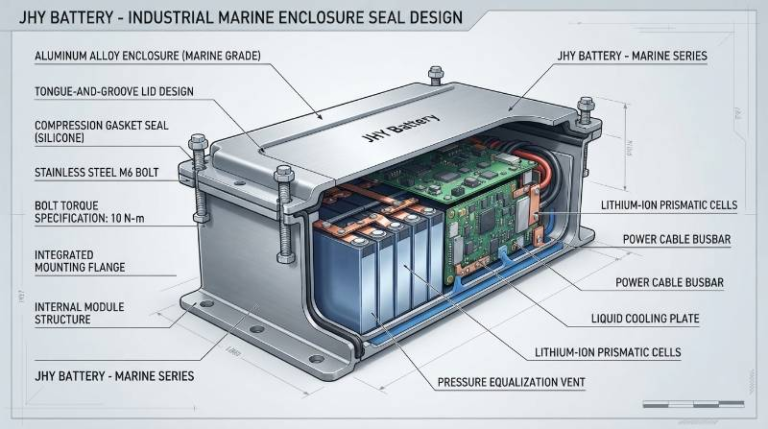
Fast Electric (FE) boat hulls present a unique engineering challenge: completely sealed compartments with zero direct airflow, paired with relentless 100A+ continuous draw. Custom marine packs incorporate aluminum side-plate heat sinks bonded directly to pouch faces via thermal gap pads. The entire pack is sealed with a heat-conductive epoxy potting compound, yielding an IP68 waterproof rating that transfers internal heat outward to the hull’s water-cooling plates.
How to Configure and Order Your Custom Pack in 3 Steps
Transitioning from generic off-the-shelf batteries to a purpose-built custom lithium solution is straightforward. Our engineering process takes you from initial measurements to a race-ready power system:
- Step 1: Define Dimensional Envelope & Current Profile
Measure your chassis battery tray (Length × Width × Height in mm). Note your speed controller (ESC) model, motor KV rating, operating voltage (e.g., 4S, 6S, 8S, 12S), and estimated continuous and burst current draw. - Step 2: Engineering Review & QVCP Cell Selection
Our technical engineering team reviews your design specifications to recommend the optimal cell chemistry (HVLi, Pouch LiPo, or 21700), internal interconnect sizing, and wiring leads (8–14 AWG with matched connectors) for your performance and weight goals. - Step 3: Rapid Prototyping, Dyno Testing & Global Delivery
Your custom pack is assembled under strict cleanroom conditions, matched using the QVCP Protocol, stress-tested on an automated programmable load bank, and shipped directly with full quality certification data sheets.
Frequently Asked Questions About Custom RC Lithium Packs
What is a true C-rating, and why do retail packs exaggerate it?
C-rating represents the maximum continuous safe discharge rate relative to cell capacity (1C = full discharge in 1 hour). Many consumer brands advertise inflated ratings like “150C continuous” (which would equate to 750A on a 5000mAh pack, instantly melting the leads). High-grade custom packs state real continuous current capabilities verified via automated thermal threshold testing (staying under 60°C under continuous load).
What is the safe charging protocol for custom HVLi and LiPo packs?
Always charge custom packs using dedicated microprocessor balance chargers in a fire-retardant LiPo bag. Standard LiPo cells charge to 4.20V per cell maximum, while HVLi cells charge to 4.35V per cell. Charge at 1C to 2C rates for optimal pack longevity, and never charge frozen, damaged, or swollen batteries.
What is the proper storage voltage for custom RC lithium batteries?
Store packs at 3.80V to 3.85V per cell (approximately 50% state of charge) in a climate-controlled environment (15°C to 25°C). Storing lithium cells fully charged (4.20V/4.35V) or fully discharged (below 3.2V) accelerates electrolyte decomposition, raises internal resistance, and can cause permanent capacity loss.
Engineering Standards and Testing Protocol
Every custom pack produced at JHY Battery complies with international battery transport and safety standards, including UN 38.3, CE, and RoHS protocols. According to testing methodologies outlined by Battery University, consistent cell matching and controlled assembly environments are key to eliminating premature cell failure in high-amperage systems.
Reviewed by Lead Battery Systems Engineer & Competitive RC Builder: “Eliminating internal bottlenecks requires precision across the entire power train—from sub-milliohm cell matching to custom copper busbar construction. Custom configurations give competitive builders the power and reliability needed to win races.”
Upgrade Your RC Performance with Custom Lithium Engineering
Stop letting off-the-shelf voltage sag hold your builds back. Get a custom battery pack tailored specifically to your chassis dimensions, current demands, and racing class.