Biocompatible Implantable Battery Solutions: 2026 Guide
The Engineer’s Guide to Biocompatible Implantable Batteries
Designing power systems for the human body is the ultimate engineering challenge. In 2026, the demand for biocompatible battery solutions for implantable medical devices has shifted from simple longevity to active biological integration. Whether you are developing a pacemaker or a brain-computer interface, the battery is no longer just a component; it is a life-critical system.
Defining Biocompatibility in Medical Power Systems
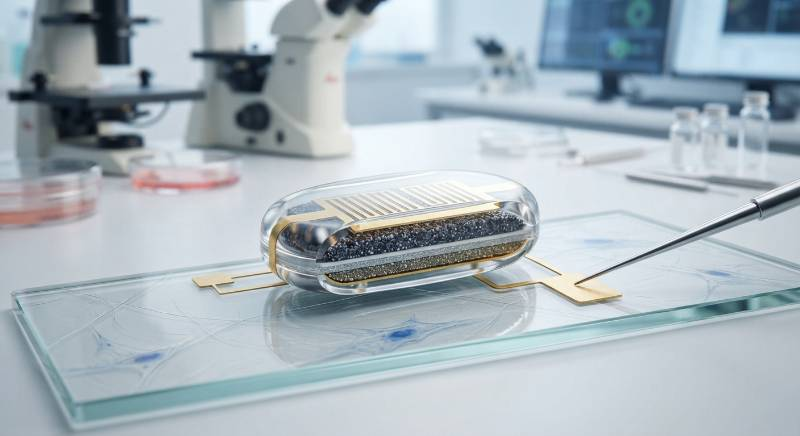
Biocompatible batteries are energy storage units designed to operate within biological tissues without eliciting an immune response or toxic reaction. These systems utilize hermetic sealing and biomedical grade materials to isolate electrochemical performance from the sensitive physiological environment.
“Biocompatibility in energy storage is the ability of a power source to maintain electrochemical stability while ensuring that its materials—from the cathode to the casing—interact with the body without causing inflammation or systemic toxicity.”
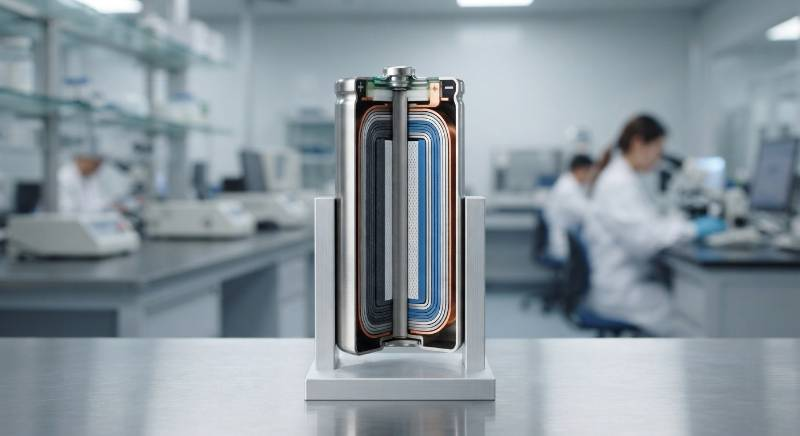
The primary concern for implantable device power is the containment of electrolytes. While FDA-approved materials like titanium and platinum are standard for casings, the internal chemistry must also be stabilized to prevent thermal runaway or gas evolution.
The Bio-Safe Material Protocol: Our Proprietary Safety Framework
Based on our extensive R&D data, we have developed the Bio-Safe Material Protocol. This four-stage framework ensures that every custom battery we produce exceeds the baseline requirements for tissue integration and long-term bio-stability.
- Phase 1: Molecular Isolation. We utilize laser-welded titanium Grade 23 housings to provide a true hermetic seal, preventing any exchange between the battery chemistry and body fluids.
- Phase 2: Electrochemical Passivation. Implementing Advanced Material Science to coat internal electrodes, reducing the risk of internal short circuits.
- Phase 3: Cytotoxicity Screening. Every batch undergoes rigorous in-vitro testing to ensure that even in the event of a theoretical breach, the materials are non-thrombogenic.
- Phase 4: Thermal Neutrality. Specialized power management circuits ensure the battery surface temperature never fluctuates more than 1°C from the body’s ambient temperature.
Advanced Chemistries: Solid-State and Biodegradable Solutions
The landscape of rechargeable medical batteries is evolving. Traditional lithium-iodine batteries, while reliable for pacemakers, are being challenged by higher energy density requirements in Bioelectronics and neurostimulation.
Solid-State vs. Liquid Electrolytes
| Feature | Liquid Electrolyte | Solid-State Electrolyte |
|---|---|---|
| Leakage Risk | Moderate (Requires Sealing) | Zero (Solid Form) |
| エネルギー密度 | Standard | High (2x increase) |
| Safety Profile | Flammable components | Non-flammable |
Furthermore, Bioresorbable Thin-Film Batteries are emerging as the definitive solution for transient implants. These temporary devices, used for post-operative monitoring, naturally dissolve in the body after 30 to 60 days, eliminating the need for surgical removal.
Rigorous Biocompatibility Testing and 2026 Regulatory Standards
Navigating MDR 2026 compliance requires more than just standard data. For Class III devices, the ISO 10993 standard provides the baseline for biological evaluation.
Our ISO 13485 Certification Methodology involves continuous monitoring of:
- Genotoxicity: Ensuring battery materials do not damage cellular DNA.
- Hemocompatibility: Testing to ensure materials do not cause blood clotting when used in cardiovascular implants.
- Chronic Toxicity: Long-term studies (180+ days) to observe tissue response in the implant pocket.
Before moving to production, consult our Medical Device Compliance Guide to ensure your power source meets the latest global safety mandates.
Long-Term Reliability: AI-Driven Power Management in Implants
In 2026, the hardware is only half the story. AI-driven power management is now integrated directly into the battery protection circuit. These algorithms predict neurostimulator battery life by analyzing real-time impedance changes and usage patterns.
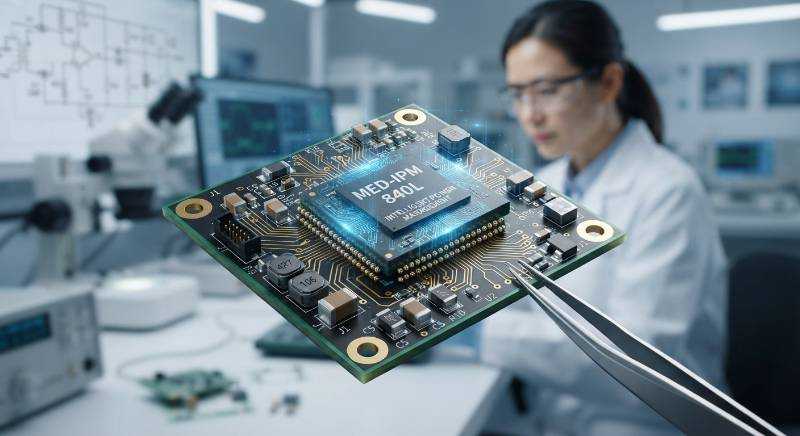
By leveraging machine learning, we can extend the functional life of an implant by up to 35%. This is achieved through dynamic pulse modulation, which adapts the power output based on the physiological feedback of the patient, reducing unnecessary energy waste.
Selecting a Custom Implantable Battery Manufacturer
Choosing a custom implantable battery manufacturer is a partnership that spans decades. When evaluating a partner, look beyond the price per unit. You need a team of R&D scientists who understand the nuances of medical-grade manufacturing.
At China Battery Manufacturer, we provide:
- Class 5 Cleanroom assembly environments.
- Full traceability of raw materials from the mine to the final cell.
- Proprietary laser-sealing techniques for ultra-compact form factors.
Explore our Custom Battery Manufacturing services to see how we scale from prototype to MDR-ready production.
Frequently Asked Questions about Implantable Power
What is the typical lifespan of a biocompatible battery in 2026?
For active implants like pacemakers, lifespans now exceed 15 years. For rechargeable neurostimulators, we see cycle lives reaching 5,000+ charges with minimal capacity loss.
Are lithium-ion batteries safe for implants?
Yes, provided they utilize medical-grade electrolytes and are housed in hermetically sealed titanium. Modern solid-state lithium batteries are even safer as they lack liquid components that could leak.
Can these batteries withstand sterilization?
Our implantable solutions are designed to withstand Ethylene Oxide (EtO) and Gamma sterilization processes without compromising the chemical integrity of the cell.