Battery TCO vs. Purchase Price: The Real Cost Guide
Battery TCO vs. Initial Purchase Price: The True Cost of Energy Storage
Purchasing a battery system purely based on the sticker price is one of the most expensive mistakes an engineer, fleet manager, or procurement officer can make. Upfront battery purchase price represents only a fraction of lifetime energy costs. Evaluating a battery’s total cost of ownership (TCO) balances initial capital expenditure with operational expenses, degradation rates, and replacement frequencies, revealing that premium, longer-lasting batteries yield significantly lower lifetime costs than cheap alternatives.
| Cost Metric / Factor | Initial Capital Expenditure (CapEx) | Lifespan & Degradation Rate | Maintenance & OpEx | End-of-Life Disposal Costs |
|---|---|---|---|---|
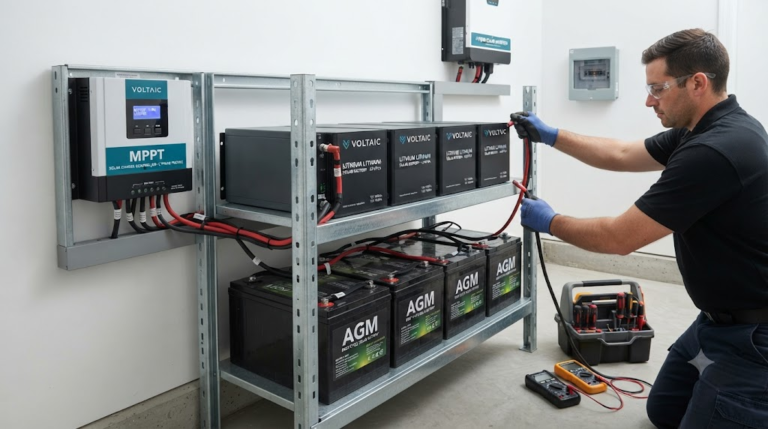
| Standard Lead-Acid | Low ($100 – $150/kWh) | Short (300 – 500 cycles at 50% DoD) | High (Watering, regular testing required) | Moderate (Highly recyclable but frequent cycles increase handling) |
| Standard NMC Lithium-ion | Medium-High ($130 – $200/kWh) | Moderate (1,500 – 2,500 cycles at 80% DoD) | Low (BMS managed, active thermal cooling required) | High (Complex metallurgical recycling processes) |
| Custom Premium LFP (JHY Battery) | Medium ($110 – $170/kWh) | Extreme (3,000 – 6,000 cycles at 80% DoD) | Negligible (Maintenance-free solid-state BMS design) | Low (Eco-friendly chemistry, high second-life value) |
When analyzing chemical power systems, look past the initial transaction. A low-cost battery with a rapid battery degradation rate demands early replacement, which quickly triggers cascading labor, shipping, and downtime costs. In contrast, investing in an optimized lithium-ion battery system ensures operational stability and long-term financial savings.
The JHY 4-D Battery TCO Framework
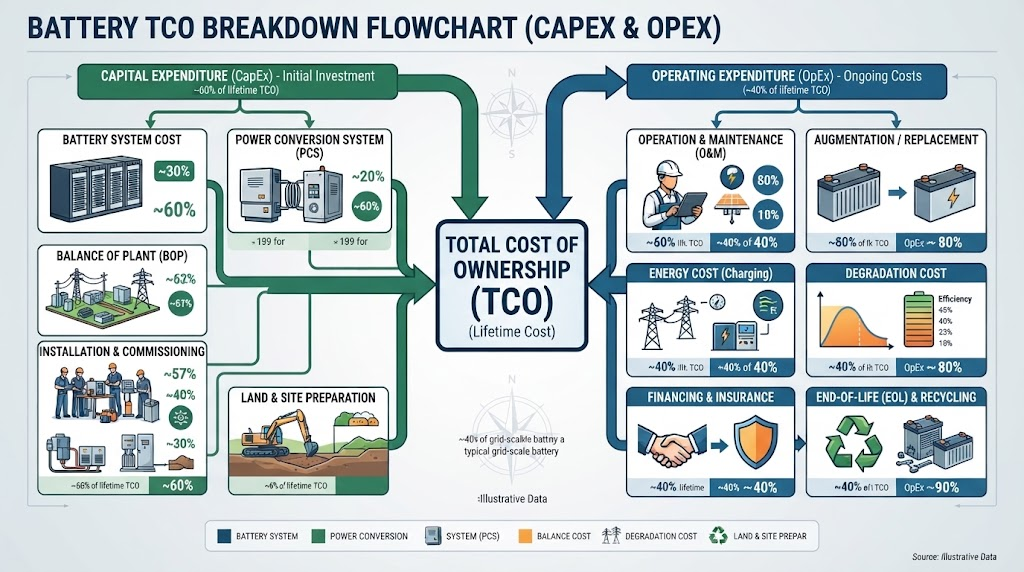
We define the financial impact of energy systems through our proprietary JHY 4-D Battery TCO Framework. This methodology assesses every phase of the battery lifecycle to prevent financial surprises.
Total Cost of Ownership (TCO) is the comprehensive financial metric that calculates the sum of all purchase, installation, operational, maintenance, and disposal costs of a battery system over its entire operational lifetime, divided by the total energy delivered.
Our framework breaks down the lifetime battery cost into four distinct vectors:
- Acquisition (CapEx): The initial purchase price of the cells, custom enclosure, integrated Battery Management System (BMS), and delivery logistics.
- Operation (OpEx): The energy required to charge the system, thermal management power consumption, and routine electrical inspections.
- Degradation & Lifespan: The gradual loss of capacity over time, directly impacted by cycle life, depth of discharge (DoD), and operating temperatures.
- Disposal & Second Life: Decommissioning costs, recycling fees, or potential revenue from selling degraded batteries into secondary energy storage applications.
As an elite custom lithium-ion battery packs manufacturer, JHY Battery engineers solutions that minimize operational and degradation costs. By customizing the BMS and physical architecture, we optimize the chemistry to match your specific application, ensuring you only pay for the performance you actually need.
EV Battery Economics: Fleet TCO and Resale Value
For commercial electric vehicle (EV) fleets, battery performance directly dictates the bottom line. The initial purchase price of an EV is heavily weighted by its battery pack. However, fleet managers must look closely at the TCO of electric vehicle fleets to ensure long-term profitability.
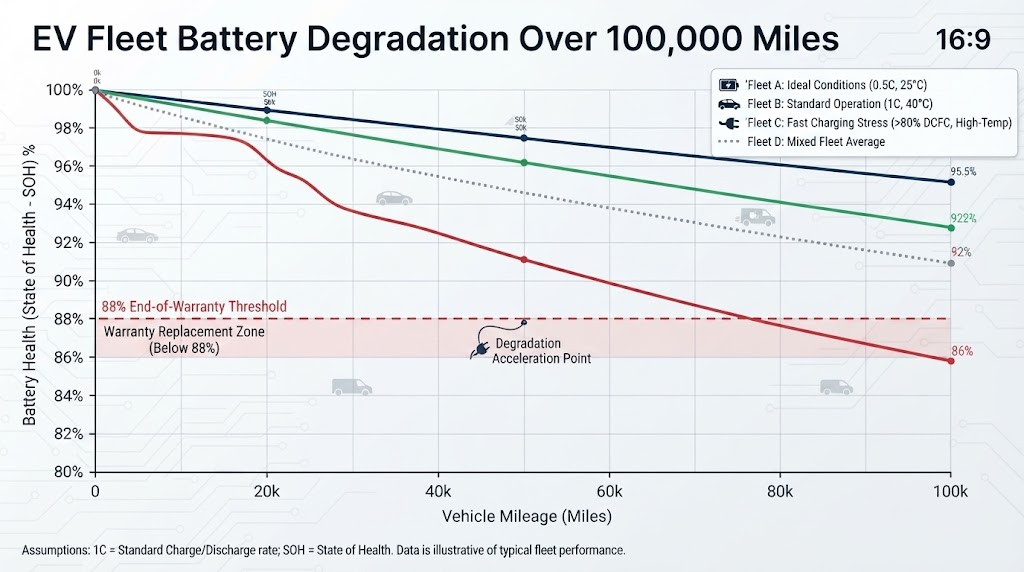
According to research from the National Renewable Energy Laboratory (NREL), battery degradation is highly non-linear. Accelerated degradation occurs when vehicles are subjected to frequent fast-charging sessions or extreme ambient temperatures. When a fleet battery degrades below 70% to 80% of its original capacity, the vehicle’s range becomes insufficient for commercial routes, prompting a premature EV battery replacement cost.
Furthermore, battery degradation impact on resale value is a major factor in corporate fleet accounting. A used EV with a degraded battery pack loses its secondary market value rapidly. By implementing intelligent BMS thermal protocols and selecting cells with high cycle-life ratings, fleet operators can preserve residual asset value and avoid unexpected capital outlays mid-lifecycle.
Grid-Scale Storage Financials: BESS CapEx vs. OpEx
In utility-scale energy projects, developers use the Levelized Cost of Storage (LCOS) to measure financial viability. This calculation determines the cost per megawatt-hour (MWh) of discharged electricity over the system’s lifetime.
The Levelized Cost of Storage calculation is expressed as:
LCOS = (Initial CapEx + Lifetime OpEx + Charging Costs) / Total Lifetime Energy Output (MWh)
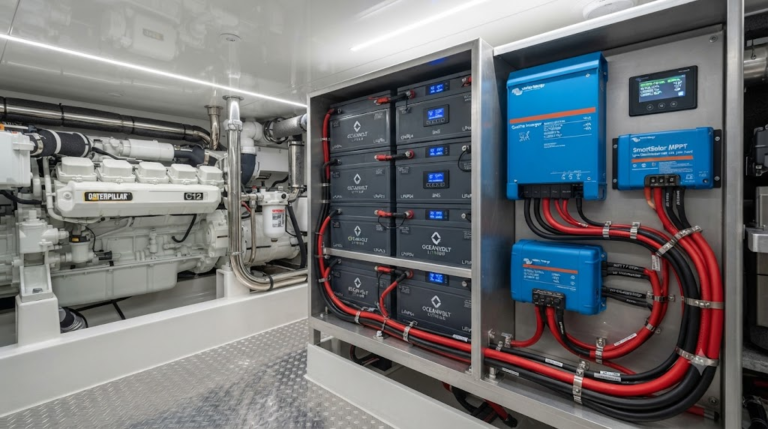
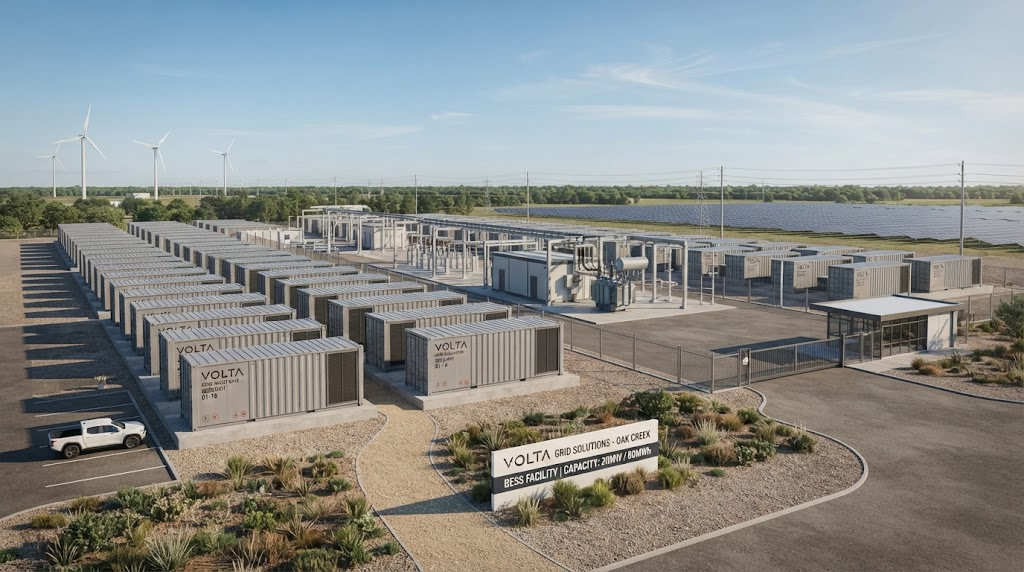
In a large-scale Battery Energy Storage System (BESS), such as those competing with the Tesla Megapack, CapEx is only the starting point. BESS annual OpEx typically accounts for 2% to 3% of the initial CapEx, heavily influenced by thermal management efficiency.
If the HVAC or liquid cooling system is poorly designed, auxiliary power consumption rises, lowering the round-trip efficiency and driving up operational expenditure.
Furthermore, the battery cycle life economic value is realized through long-term performance. A system capable of running 6,000 cycles before hitting its end-of-life threshold yields twice the lifetime energy throughput of a cheaper, 3,000-cycle system. This higher cycle capability effectively cuts the LCOS in half, turning a marginally profitable grid project into a highly lucrative asset.
Battery Chemistry Cost Comparison: LFP vs. NMC vs. Lead-Acid
Selecting the right cell chemistry requires balancing upfront budgets against operational lifespans. Let us analyze how the three dominant chemistries compare in key economic scenarios.
Lead-Acid vs. Lithium-ion Lifetime Cost
Lead-acid batteries remain popular for their low upfront cost. However, their physical limitations quickly erode this advantage in active applications. Lithium-ion batteries offer a 70% lower total cost of ownership over a 10-year lifecycle compared to lead-acid batteries despite a 3x higher upfront cost.
Lead-acid systems suffer from low depth of discharge limits (typically 50%) and require frequent replacements, resulting in repeated labor and shipping expenses.
LFP vs. NMC Total Cost of Ownership
Nickel Manganese Cobalt (NMC) chemistries deliver high energy density, making them ideal for space-constrained electric vehicles. However, Lithium Iron Phosphate (LFP) is the clear winner for stationary and high-cycle industrial applications. LFP batteries can achieve up to 6,000 cycles at 80% Depth of Discharge (DoD), reducing lifetime cost by up to 40% compared to traditional NMC chemistries.
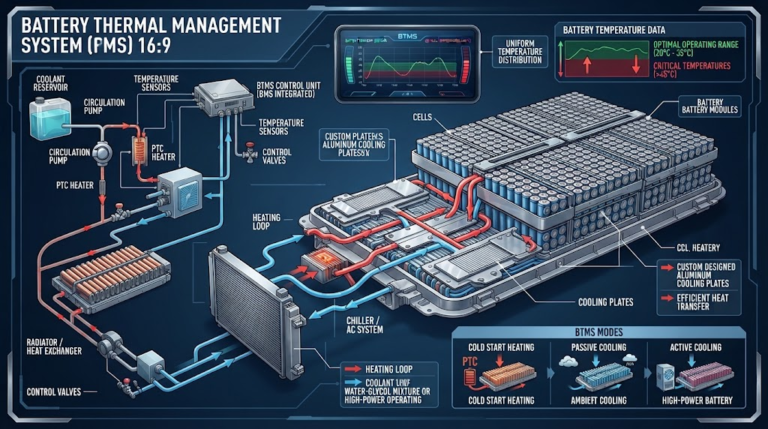
LFP cells also exhibit superior thermal stability, eliminating the need for expensive active cooling systems.
Solid-State Battery Cost Projections 2026
As we analyze the market in 2026, solid-state batteries are beginning to transition from specialized laboratories to premium industrial niches. While solid-state battery cost projections for 2026 show high initial manufacturing costs, their immunity to thermal runaway and projected calendar life of over 15 years will eventually redefine the upper limits of TCO efficiency.
Optimizing TCO for Custom Industrial and Medical Applications
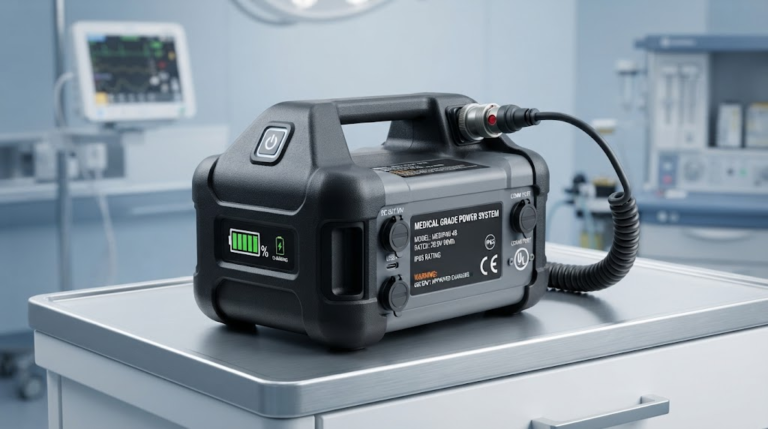
Off-the-shelf battery packs often fail prematurely when deployed in demanding industrial environments or critical medical devices. When a standard battery fails in a hospital ventilator or a mining robot, the financial consequences extend far beyond a simple replacement cost.
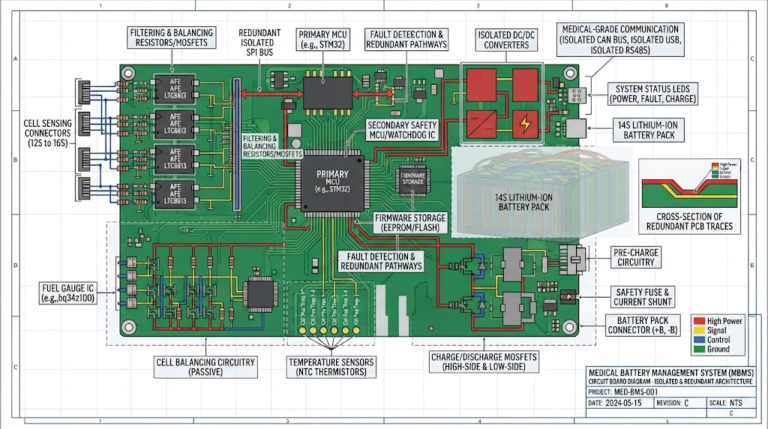
At JHY Battery, we mitigate these risks through tailored engineering. Our custom lithium-ion battery packs feature intelligent, application-specific BMS designs that actively monitor cell temperature, voltage balance, and state of charge. This precise control prevents overcharging and deep discharging, which are the primary drivers of accelerated battery degradation.
For industrial equipment battery TCO, rugged mechanical enclosures protect cells from high-vibration damage. In medical device battery safety applications, we integrate redundant protection circuits. This careful engineering ensures compliance with strict international safety standards while maximizing the battery’s operating lifespan.
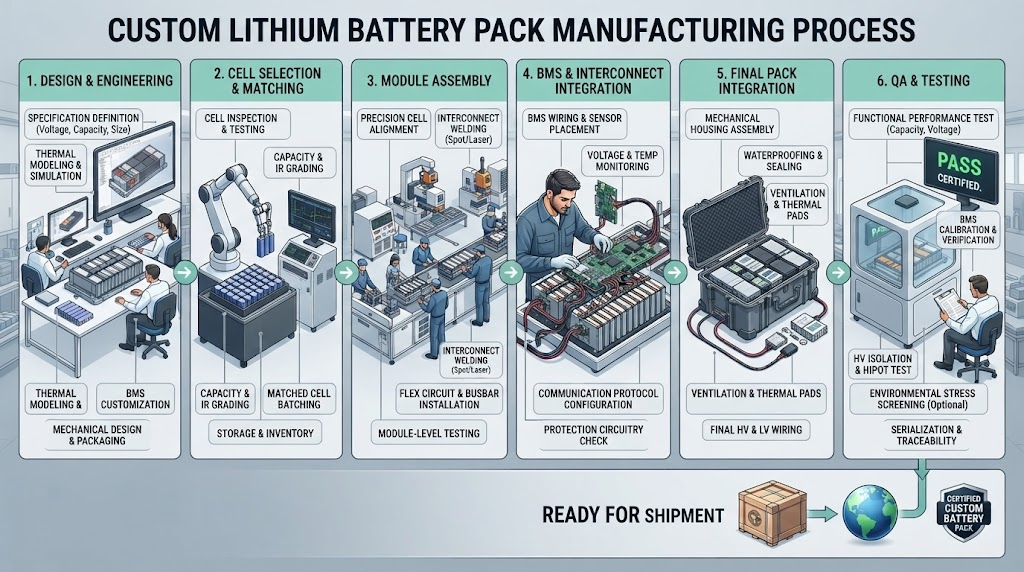
Interactive TCO Calculator & Downloadable Excel Template
To help financial analysts and engineering teams calculate their exact lifetime costs, we use a simple, standardized calculation model. You can replicate this model in your spreadsheets to compare different battery options.
Use the following formula to estimate your annual battery costs:
Annualized TCO = [CapEx + (OpEx × Lifespan) + Replacement Cost] / Lifespan (Years)
Where:
- CapEx: Initial purchase price + installation and shipping costs.
- OpEx: Annual maintenance + thermal management energy costs.
- Replacement Cost: The cost of purchasing and installing a new pack when the original degrades, minus any salvage or second-life value.
- Lifespan: Expected service years based on the manufacturer’s cycle life at your typical Depth of Discharge (DoD).
By entering your specific operational hours, electricity rates, and ambient temperatures into this energy storage financial model, you can clearly see the long-term savings of premium chemistries over cheaper alternatives.
Expert Review: Engineering Long-Life Battery Solutions
To gain a deeper understanding of battery longevity, we spoke with the Lead BMS Engineer at JHY Battery.
“Many buyers focus entirely on cell cost per watt-hour,” says our Lead BMS Engineer. “But they overlook the role of the control electronics. In our testing, a poorly tuned BMS can degrade a premium lithium cell by 30% within the first year. By customizing the charge algorithms and balancing currents to match the specific load profile, we preserve the battery’s health. This engineering extension directly lowers the lifetime cost for our global B2B clients.”
As an experienced OEM/ODM battery manufacturer, JHY Battery (Juheyuan Science & Technology Co., Ltd.) maintains strict quality control systems. Our certified lithium battery packs carry comprehensive international certifications, including ISO9001, CE, UN38.3, MSDS, and UL. These rigorous standards guarantee that our custom power solutions meet the highest safety profiles and deliver maximum operational life.
Frequently Asked Questions About Battery TCO
What is the average EV battery replacement cost?
In 2026, the average EV battery replacement cost ranges from $5,000 to $15,000, depending on pack capacity, chemistry, and labor rates. Opting for packs with advanced thermal management and robust cycle lives minimizes the risk of facing this expense during the vehicle’s primary service life.
How is Levelized Cost of Storage calculated?
Levelized Cost of Storage (LCOS) is calculated by dividing the total lifetime costs of the storage system (including initial CapEx, lifetime OpEx, and charging costs) by the cumulative energy discharged by the system over its operational lifetime. It is the standard metric for comparing the financial viability of different grid-scale storage technologies.
Why is LFP cheaper than NMC over its lifetime?
LFP is cheaper over its lifetime because it offers up to 6,000 cycles at 80% DoD, compared to the 1,500 to 2,500 cycles typical of NMC. LFP also operates safely without expensive active cooling systems and uses abundant, low-cost raw iron and phosphate instead of expensive cobalt and nickel.
Optimize Your Battery Investment Today
Stop overpaying for cheap batteries that fail early. Contact JHY Battery’s engineering team for a custom, long-life lithium-ion solution designed to minimize your total cost of ownership.