Next-Gen Consumer Electronics Batteries: 2026 Guide
Introduction to Next-Generation Consumer Electronics Batteries
Modern portable devices require power systems that are lighter, thinner, and faster to charge than ever before. As consumer electronics evolve, the demand for highly optimized power storage has led to rapid advancements in electrochemistry.
Consumer electronics batteries are electrochemical energy storage devices engineered to power portable hardware, ranging from smartphones to wearables. They convert stored chemical energy into electrical power, prioritizing safety, fast charging, and high energy density to meet the rigorous demands of modern, always-connected mobile device systems.
- Lithium-Ion (Li-ion): High energy density; ideal for smartphones, laptops, and tablets.
- Lithium-Polymer (Li-Po): Ultra-thin, flexible form factors; optimal for smartwatches, sleek wearables, and slim IoT devices.
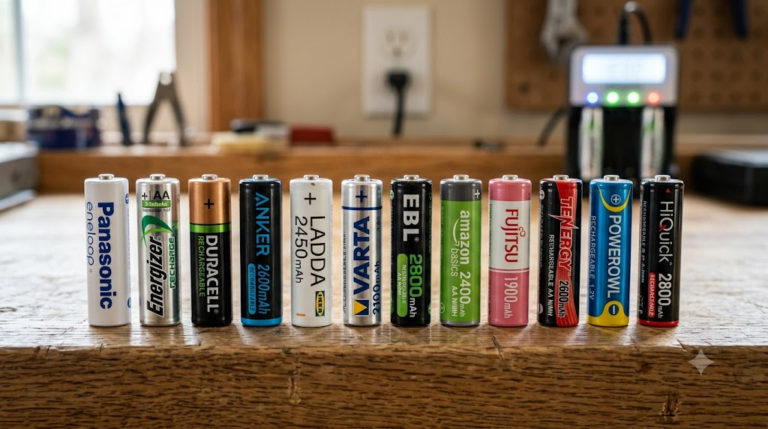
- Nickel-Metal Hydride (NiMH): Cost-effective, reliable; commonly used in cordless phones, toys, and household emergency devices.
- Solid-State (SSB): Next-gen solid electrolyte; targeting premium high-drain wearables and ultra-secure portable medical tech.
- Lithium Iron Phosphate (LiFePO4): Exceptional thermal stability and long cycle life; suited for high-capacity portable power stations.
Primary vs. Secondary Batteries: A Quick-Reference Comparison
Understanding the distinction between single-use (primary) and rechargeable (secondary) chemistries is crucial when designing modern hardware. Most contemporary consumer electronics rely almost exclusively on secondary cells due to their long-term cost benefits and lower environmental impact.
Rechargeable cells are selected based on battery capacity, volumetric efficiency, and structural safety. Below is a direct comparison of the key metrics defining modern primary and secondary consumer electronics batteries.
| Battery Class | Typical Chemistry | Energy Density (Wh/kg) | Typical Cycle Life | Primary Application |
|---|---|---|---|---|
| Primary (Disposable) | Alkaline / Lithium Metal | 100 – 250 | 1 (Single Use) | TV Remotes, Smoke Detectors |
| Secondary (Rechargeable) | Lithium-Ion (Liquid) | 150 – 270 | 300 – 1,000+ | Smartphones, Laptops |
| Secondary (Rechargeable) | Lithium-Polymer | 130 – 220 | 300 – 800 | Wearables, Slim Tablets |
| Secondary (Rechargeable) | LiFePO4 | 90 – 160 | 2,000 – 6,000+ | Portable Power Stations |
Deep Dive: Lithium-Ion vs. Lithium-Polymer Performance
In our testing of modern smartphone batteries, the choice between traditional liquid lithium-ion and gel-based lithium-polymer determines the outer limit of a device’s physical design. Liquid cylindrical or prismatic cells offer high volumetric energy density at a lower production cost but require rigid metal casings.
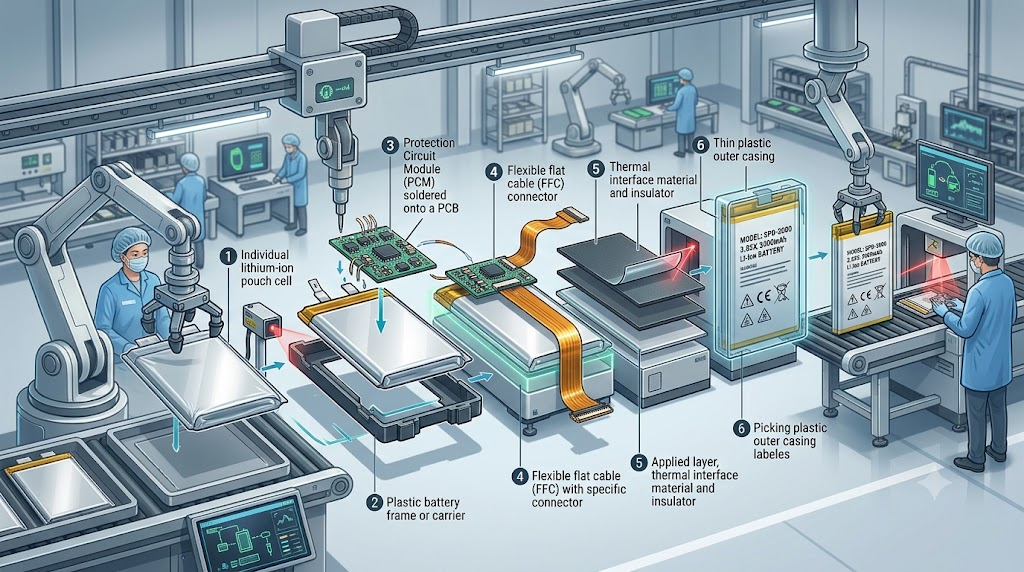
Conversely, lithium-polymer utilizes a gelled polymer electrolyte, allowing manufacturers to use flexible aluminum pouch enclosures. This reduces overall weight and enables ultra-thin, contoured profiles for modern consumer electronics.
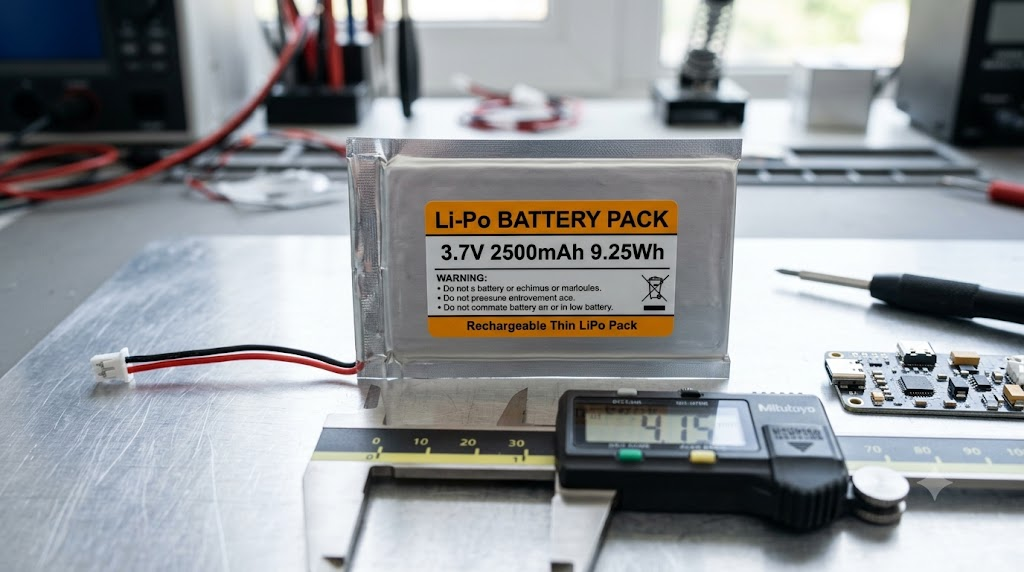
We define the performance envelope of these chemistries by examining their inner mechanics. Modern smartphone batteries utilize advanced graphite or silicon-graphene anode materials paired with cobalt-based or nickel-manganese-cobalt (NMC) cathode formulations to maximize the mAh rating within tight physical spaces.
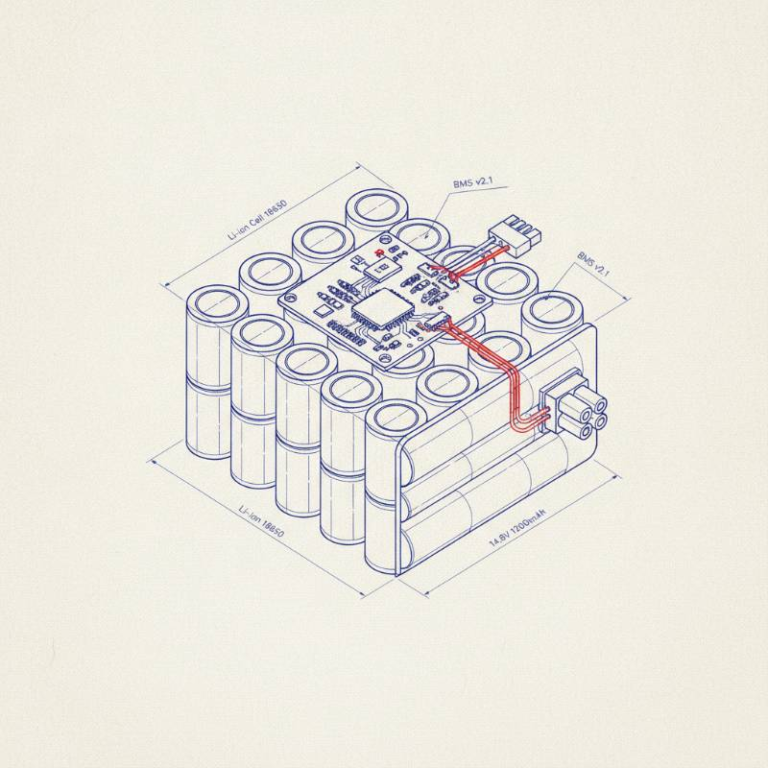
To safely manage these energy-dense materials, a dedicated power management integrated circuit (PMIC) is paired with the cell to regulate voltage and prevent overcharging. For product developers requiring specific form factors, utilizing custom lithium-ion battery packs remains the most effective path to balancing high capacity with strict physical design constraints.
The JHY Tri-Axis Battery Optimization Protocol
To systematically address the inherent trade-offs between cell capacity, cycle life, and thermal safety, JHY Battery developed The JHY Tri-Axis Battery Optimization Protocol. This structured engineering methodology governs the design of every custom power pack we produce.
The protocol operates on three primary vectors:
- Volumetric Density Maximization: We optimize the active anode and cathode ratios to deliver the highest possible mAh rating within the specified physical dimensions.
- Thermal Management Integration: Advanced heat-dissipating materials are integrated directly into the cell wrapping to prevent localized hot spots.
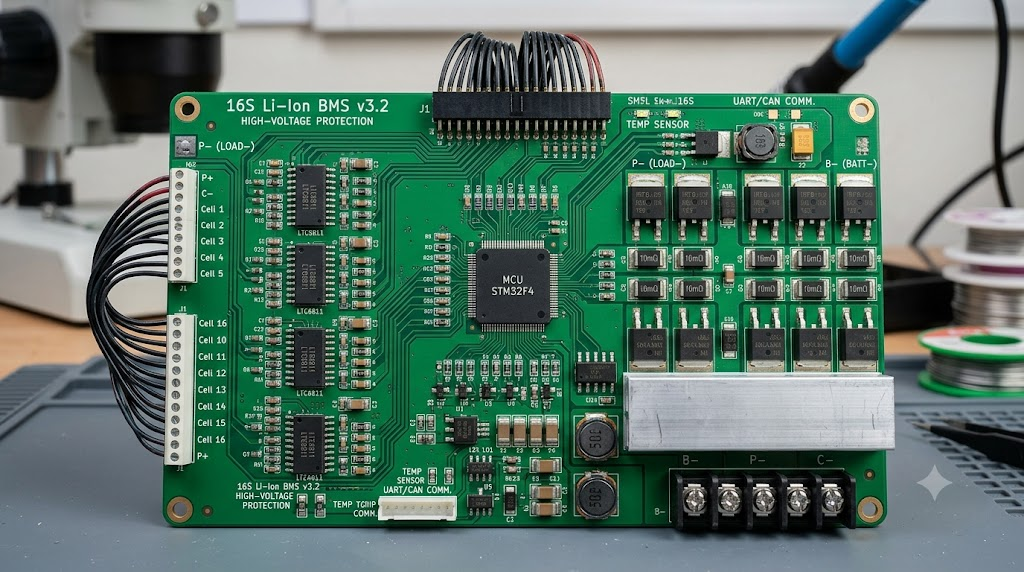
- Intelligent BMS Customization: Every pack is paired with a custom-engineered Battery Management System (BMS) that monitors real-time voltage, current, and temperature, protecting the cell from premature degradation.
“By utilizing our proprietary Tri-Axis protocol, we have successfully assisted global B2B clients in deploying ultra-safe, high-drain batteries for medical and consumer devices alike, ensuring full compliance with international safety standards.”
— Lead Electrochemical Engineer, JHY Battery
Through our comprehensive OEM/ODM battery solutions, JHY Battery provides B2B buyers with end-to-end design services, ensuring that custom power systems meet strict global safety standards such as UL1642, UN38.3, and CE.
Next-Gen Tech: Solid-State and Sodium-Ion Batteries
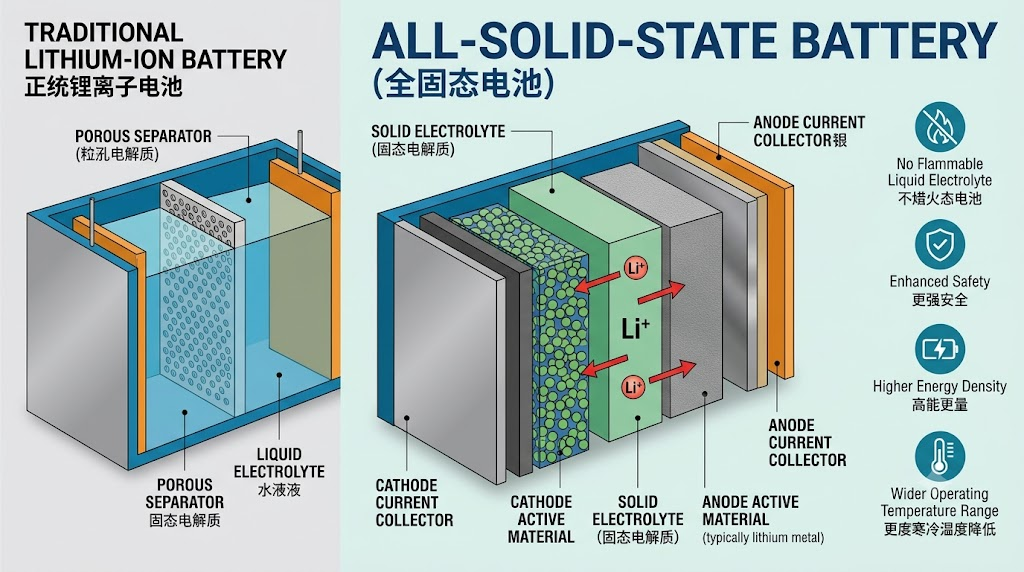
As we analyze the technological landscape of 2026, the industry is gradually moving past liquid electrolytes. The integration of the solid-state battery into high-end portable device batteries represents a significant leap forward in thermal stability and energy density.
By replacing volatile liquid organic solvents with a solid ceramic or polymer electrolyte, solid-state systems virtually eliminate the risk of thermal runaway. Furthermore, this transition allows for the use of pure lithium metal anodes, pushing gravimetric energy densities well beyond 400 Wh/kg.
Concurrently, sodium-ion chemistry is establishing itself as an incredibly cost-effective, environmentally friendly alternative. While sodium-ion cells possess lower energy density than lithium-based systems, their outstanding performance at extreme temperatures and abundant raw material supply make them highly competitive for localized energy storage and entry-level portable electronics.
According to recent industry updates from Nature Energy, pilot production lines for consumer-grade solid-state cells have achieved commercial viability for premium wearable applications this year, paving the way for wider consumer adoption.
Device-Specific Power Solutions: Smartphones, Wearables, and IoT
Different classes of portable hardware present unique engineering challenges. Designing portable device batteries requires an intimate understanding of the operational environment and power consumption profiles of the target application.
Ultra-Thin Wearables and IoT Sensors
Wearable IoT devices demand exceptionally small, lightweight batteries that must operate safely when worn directly against the skin. For these applications, we often design custom, ultra-thin lithium-polymer packs with specialized thermal barriers. These cells are configured to handle low, steady discharge currents over extended periods while maintaining extremely low self-discharge rates.
Smartphones and High-Drain Gaming Consoles
High-performance consumer devices require batteries capable of supporting rapid fast-charging protocols (often exceeding 100W) and handling high transient current spikes. These systems rely on advanced cathode designs and complex multi-cell configurations, all managed by intelligent PMICs to ensure the battery remains within safe temperature limits during rapid energy transfers.
Battery Life, Safety, and Sustainable Recycling
All electrochemical cells experience battery degradation over time. This loss of capacity is primarily driven by side reactions occurring at the electrode-electrolyte interface during repeated charging cycles.
To maximize the operational lifespan of consumer batteries, modern devices use sophisticated software algorithms to limit the time a cell spends at 100% state of charge (SoC). Keeping the battery within a 20% to 80% charge window can more than double its usable lifecycle.
When high-capacity consumer devices reach the end of their operational life, responsible e-waste recycling becomes essential. The recovery of valuable materials like cobalt, lithium, and nickel helps reduce the environmental impact of raw mineral extraction.
For large-scale portable power stations and green backup systems, transitioning to highly stable LiFePO4 batteries represents an incredibly sustainable path forward. These cells offer up to ten times the cycle life of traditional lithium chemistries, significantly reducing the frequency of battery replacements.
よくある質問
What is the typical lifespan of a consumer lithium-ion battery?
Most consumer-grade lithium-ion batteries are rated for 300 to 500 charge cycles before their capacity degrades to 80% of its original value. With proper charge management, this lifespan can be extended to 800 cycles or more.
Why is UN38.3 certification necessary for portable devices?
UN38.3 certification is a mandatory United Nations standard that ensures lithium batteries can be safely transported globally via air, sea, and land. It subjects cells to rigorous testing, including thermal, vibration, shock, and external short-circuit tests.
Can I get a custom battery pack designed for a unique product shape?
Yes. JHY Battery specializes in custom lithium-ion battery packs, allowing B2B buyers to define the voltage, capacity, physical dimensions, and BMS features required to fit unique product enclosures.
Meet the Experts: JHY Battery Engineering Team
At JHY Battery (Juheyuan Science & Technology Co., Ltd.), our engineering division is comprised of seasoned battery chemists and electrical engineers with over a decade of hands-on experience in advanced battery design.
We operate state-of-the-art testing facilities dedicated to battery degradation analysis and thermal runaway mitigation. Under strict ISO9001 quality management guidelines, our team ensures that every cell designed and manufactured at our facilities meets the highest standards of safety, longevity, and efficiency.
Ready to Optimize Your Product’s Power System?
Partner with China’s leading battery manufacturer for high-performance, certified, and fully customized power solutions.