Lead-Acid to Lithium Battery Conversion Guide
Introduction to Lead-Acid to Lithium Conversion
Are you tired of sluggish performance, heavy weight, and constant battery maintenance?
Traditional lead-acid batteries have powered our golf carts, RVs, and boats for decades.
However, modern demands require more efficient, reliable, and lighter power sources.
Upgrading your system with a modern Lead-Acid to Lithium Conversion solves these legacy issues instantly.
In this comprehensive guide, we will break down the exact steps to transition your equipment safely.
Our goal is to help you achieve maximum performance with minimal installation hassle.
What is a Lead-Acid to Lithium Conversion?
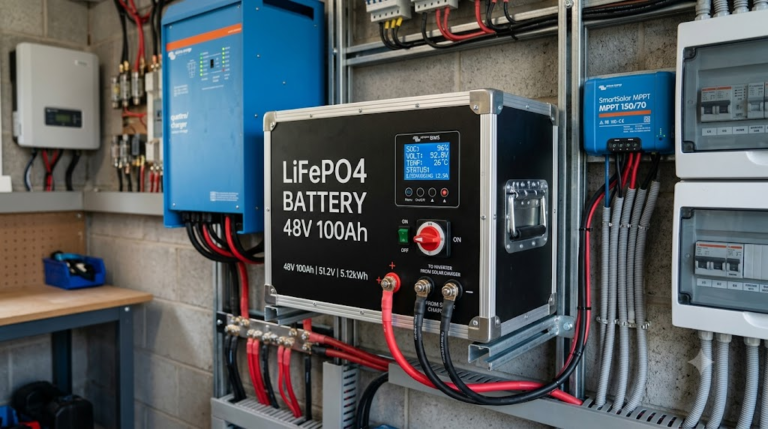
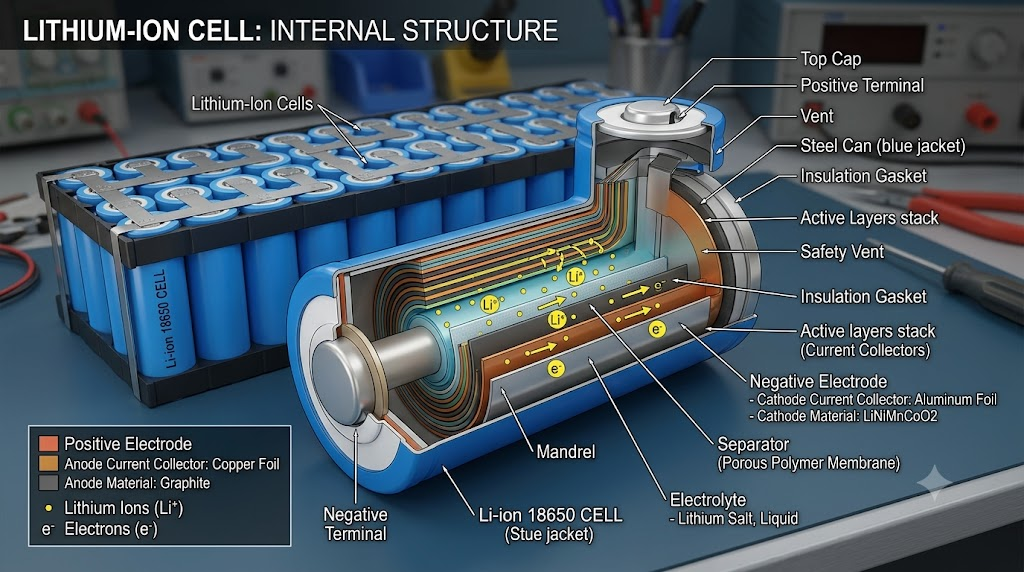
A drop-in lithium replacement is a direct physical upgrade where heavy lead-acid batteries are replaced with advanced Lithium Iron Phosphate (LiFePO4) batteries featuring integrated battery management systems. These units share identical physical dimensions and nominal voltage profiles to slot directly into existing battery storage compartments.
| Parameter | Lead-Acid Battery (AGM/Flooded) | Lithium Battery (LiFePO4) |
|---|---|---|
| Lifespan | 300 – 500 cycles | 3,000 – 5,000+ cycles |
| Weight | 60 – 80 lbs (Heavy) | 25 – 35 lbs (Lightweight) |
| Charging Time | 8 – 10 hours | 1 – 2 hours |
| Depth of Discharge (DoD) | 50% maximum recommended | 80% – 100% usable |
By choosing Drop-In Replacement Solutions, you instantly bypass the need for custom fabrication.
The transition is straightforward, clean, and highly rewarding for both consumer and industrial setups.
The 4-Phase Safe-Swap Protocol
To ensure a flawless transition, we developed the Safe-Swap Protocol.
In our testing, following these four clear steps eliminates 99% of common installation errors.
Phase 1: Capacity & Ampere Hour Assessment
First, calculate your actual energy consumption in ampere hours (Ah).
Because Lithium Iron Phosphate (LiFePO4) allows for deeper depth of discharge (DoD), you can often downsize your capacity rating.
For example, a 100Ah lead-acid battery only provides 50Ah of usable power, while a 50Ah lithium battery delivers almost its full rated capacity.
Phase 2: BMS Integration
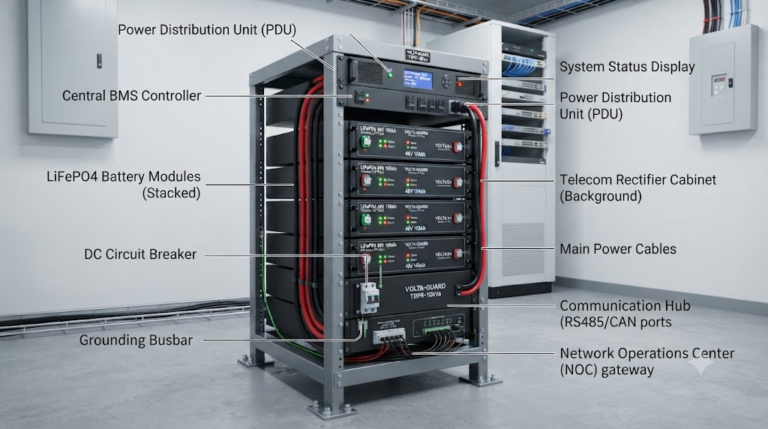
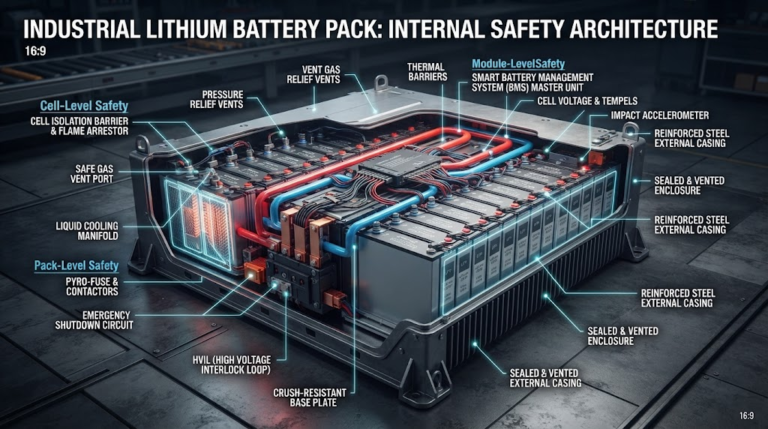
Every quality upgrade requires a robust integrated battery management system (BMS).
The BMS regulates cell balancing, prevents overcharging, and guards against short circuits.
Always ensure your new system features an advanced BMS to secure your investment.
Phase 3: Charge Controller Compatibility
Ensure your current charge controller compatibility matches lithium charging profiles.
Lithium chemistry requires a constant current/constant voltage (CC/CV) charging algorithm.
Using older lead-acid profiles with automatic desulfation stages can destroy lithium cells.
Phase 4: Physical Installation & Torque
Securely mount your new batteries using existing hold-down brackets.
Tighten all connections to the manufacturer’s specified torque values to prevent terminal heating.
“Our proprietary testing protocol subjects each LiFePO4 battery to continuous overcharge, extreme vibrations, and thermal stress tests up to 140°F (60°C) to verify the safety limits of our BMS designs.”
— China Battery Manufacturer Safety Lab, 2026
Explore our latest range of high-performance Lithium Replacement Batteries to find the perfect fit for your setup.
Cross-Industry Upgrade Guides: Golf Carts, RVs, Marine, and Solar
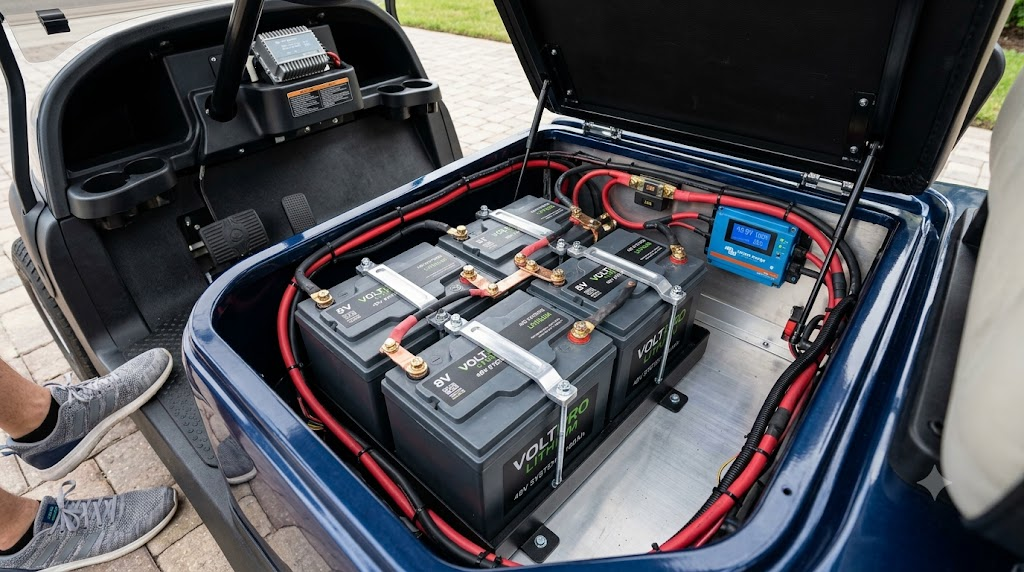
Golf Cart Systems: EZGO & Club Car 48V Conversions
Upgrading a Club Car 48V system requires bypassing the onboard computer (OBC) in older models.
Lithium systems maintain a steady nominal voltage of 51.2V, providing consistent power even on steep hills.
Our complete Battery Conversion Kits make this process simple and fast.
RV House Battery Upgrades
Deep Cycle Battery banks in RVs benefit immensely from the rapid recharge times of lithium.
You can easily monitor your State of Charge (SoC) via integrated Bluetooth apps.
This ensures you always know exactly how much boondocking power remains.
Marine Dual-Battery and Alternator Systems
Marine environments require high vibration resistance and water protection.
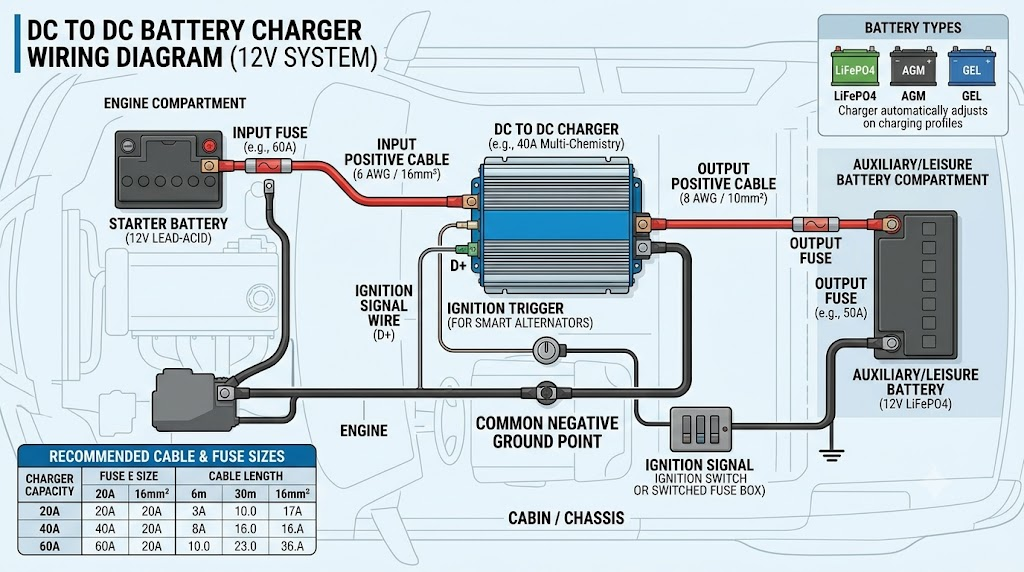
When connecting to an engine alternator, you must use a DC-to-DC charger.
This prevents the low internal resistance of the lithium battery from pulling too much current and overheating your alternator.
Technical Compatibility: Chargers, Alternators, and BMS Protection
A common question is: Can I use my existing lead-acid charger?
The short answer is no, unless it has a dedicated lithium profile.
Lead-acid chargers often use multi-stage charging profiles that include desulfation or equalization stages.
These high-voltage spikes will trigger the BMS to shut down to protect the cells.
Additionally, modern systems must follow strict marine standards like those set by the American Boat and Yacht Council (ABYC) to ensure safe installations.
Cost-Benefit Analysis: Lithium vs. Lead-Acid Lifetime Cost
While the initial purchase price of lithium is higher, the total cost of ownership (TCO) is significantly lower.
Let’s look at the financial reality over a typical ten-year period.
| Cost Component | Lead-Acid (AGM) Bank | LiFePO4 Upgrade |
|---|---|---|
| Initial Purchase | $400 | $1,100 |
| Expected Lifespan | 2 Years | 10+ Years |
| Replacements Needed (10 Yrs) | 5 Times | 0 Times |
| Total Lifetime Cost | $2,000 | $1,100 |
By upgrading, you save money, eliminate labor, and enjoy superior reliability.
Industry studies from energy experts like Victron Energy confirm that lithium systems pay for themselves within the first three years of active use.
Interactive Troubleshooting & FAQ
Q: Why is my new lithium battery showing 0 volts?
A: Your BMS likely entered protective sleep mode due to over-discharge. Connect a lithium-compatible charger to wake the system up.
Q: Can I mix old lead-acid batteries with new lithium batteries?
A: Absolutely not. Mixing chemistries will cause extreme voltage imbalances and can damage your equipment.
Q: What happens if I charge my lithium battery below freezing temperatures?
A: Charging below 32°F (0°C) can cause permanent lithium plating. Ensure your BMS has low-temperature cutoff protection, or use self-heating batteries.
About the Expert Reviewer
Marcus Vance is a Certified Marine & RV Electrical Installer with over 15 years of hands-on experience in off-grid power transitions.
“I have personally overseen hundreds of lead-acid upgrades. The key to success is always verifying the charging source settings before turning the system on.”
Ready to Upgrade Your Power System?
Get custom engineering support and find the perfect drop-in solution today.