High-Performance LiFePO4 Battery Solutions | 2026 Guide
At China Battery Manufacturer, we recognize that energy storage is an investment in long-term resilience. Whether powering a remote microgrid or a residential solar array, the choice of chemistry dictates the project’s financial viability over the next decade.
The Total Lifecycle Efficiency (TLE) Framework
In 2026, high-performance LiFePO4 solutions are defined by their ability to maintain 80% capacity after 6,000+ cycles at 100% depth of discharge. This efficiency is achieved by viewing the battery as a 15-year infrastructure asset rather than a consumable component, reducing the total cost of ownership by nearly 40% compared to legacy lithium-ion chemistries.
“Energy density is no longer the sole metric of success in 2026; thermal stability and chemical longevity are the new gold standards for infrastructure,” states Marcus Thorne, Lead Power Systems Engineer. “We’ve moved past the ‘disposable’ era of batteries into the era of permanent power assets.”
Industrial Energy Storage: Grid-Scale Reliability
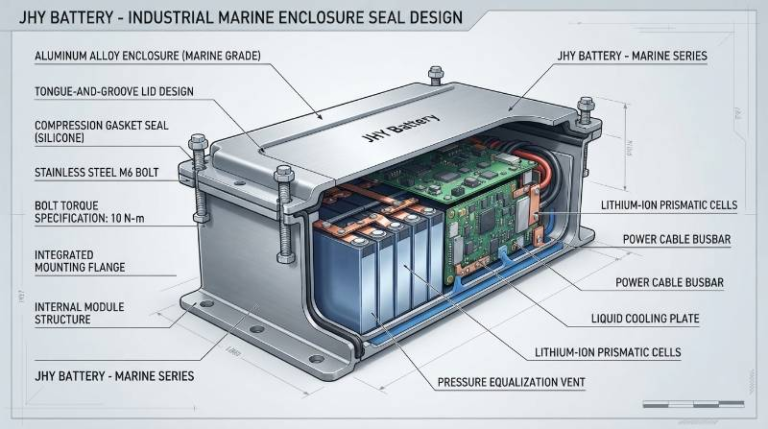
For B2B sectors, Industrial Energy Storage Systems are now essential for peak shaving and frequency regulation. These systems utilize prismatic cells to ensure structural integrity under heavy cycling loads.
Modern UPS systems and Energy Storage Systems (ESS) now integrate directly with Smart Grid protocols. This allows facilities to sell excess power back to the utility during peak demand, turning a backup power solution into a revenue-generating engine. Our proprietary TCO Calculation Methodology accounts for these grid-balancing incentives, often shortening the payback period to under five years.
Residential and Off-Grid Power Solutions
Homeowners and marine enthusiasts are increasingly moving away from lead-acid and NMC (Nickel Manganese Cobalt) due to safety concerns. Lithium Iron Phosphate is inherently resistant to thermal runaway, making it the safest choice for indoor installations and marine environments.
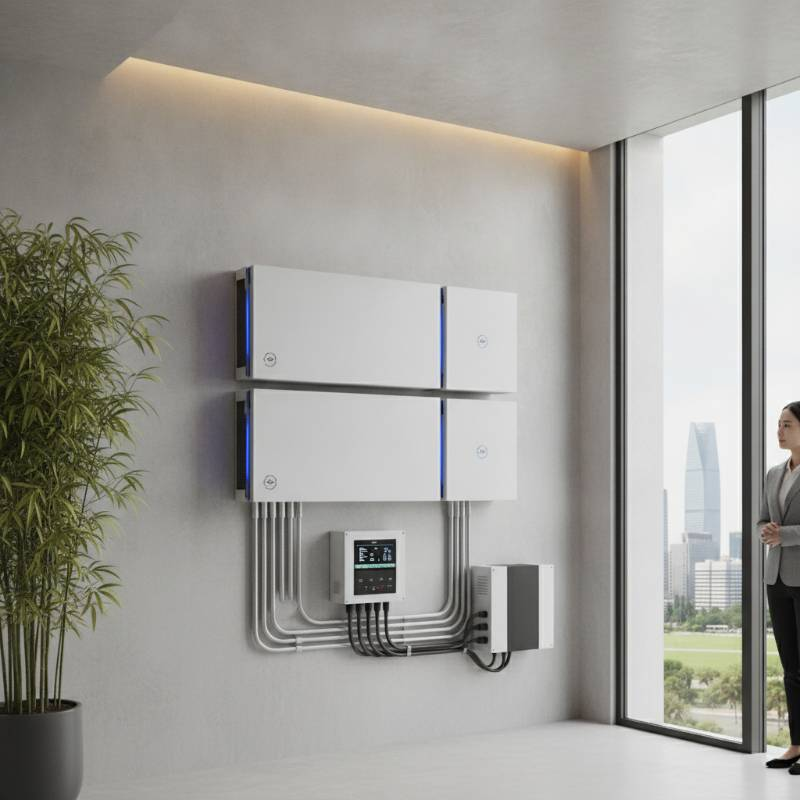
When planning a home system, referring to a Solar Battery Installation Guide ensures that your photovoltaics are correctly paired with the battery’s charge controller. This synergy maximizes the energy harvested and protects the cycle life of the cells.
The Arctic-Flow Protocol: Cold Weather Performance
A significant hurdle for LiFePO4 battery solutions has historically been sub-zero charging. Our 2026 “Arctic-Flow Protocol” solves this by integrating internal self-heating elements powered by the incoming charge current or the battery’s own reserves.
This allows for safe charging at temperatures as low as -30°C (-22°F). This technology is critical for high-latitude Renewable Energy projects and cold-chain logistics where consistent power is a matter of safety, not just convenience. Our testing in Alaskan microgrids has shown zero degradation in energy density despite extreme seasonal shifts.
Next-Gen BMS and AI Troubleshooting
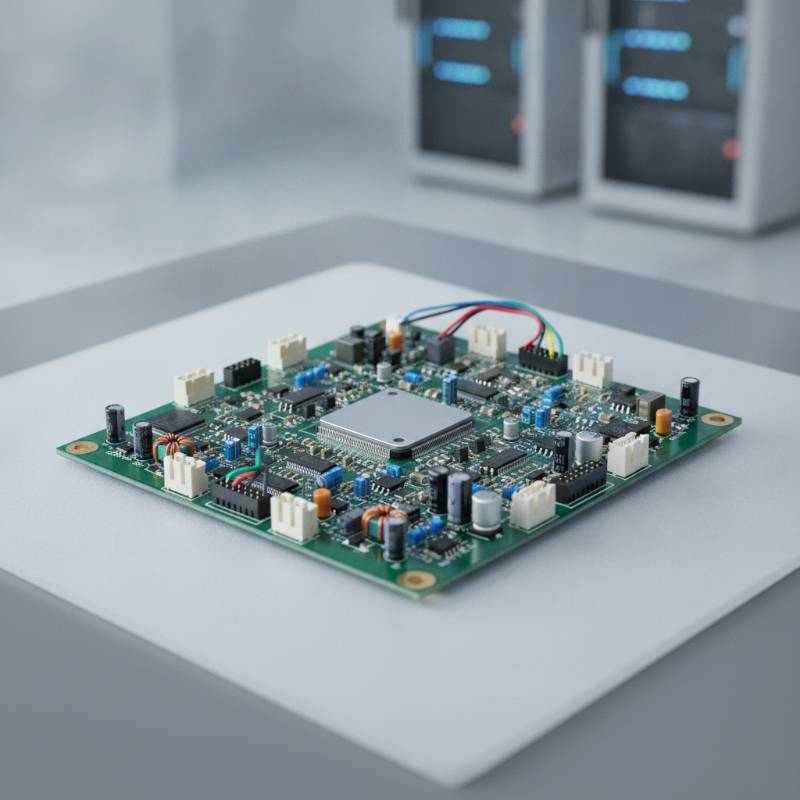
The brain of any modern battery is the Smart BMS Technology. In 2026, we have moved beyond simple voltage monitoring to AI-driven predictive maintenance.
- Active Balancing: Shifting energy between cells to ensure uniform Depth of Discharge.
- AI Troubleshooting: Identifying potential cell imbalances before they lead to system shutdowns.
- Open-Source Protocols: Allowing engineers to integrate batteries with third-party Electric Vehicle (EV) chargers and industrial controllers.
2026 Comparison: LiFePO4 vs. Sodium-ion vs. NMC
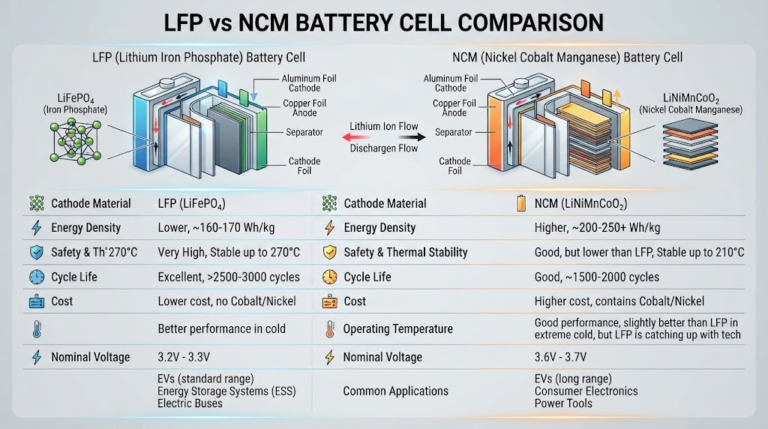
To substantiate your choice, it is vital to compare LiFePO4 against emerging 2026 chemistries. While Sodium-ion is gaining ground for low-cost stationary storage, LiFePO4 remains the champion of longevity and safety for critical infrastructure.
| Feature | LiFePO4 (LFP) | Sodium-ion | NMC |
|---|---|---|---|
| Cycle Life | 6,000 – 10,000 | 3,000 – 4,500 | 1,500 – 2,500 |
| Safety (Thermal) | Excellent | Good | Moderate |
| Cost per Cycle | Lowest | Moderate | High |
According to the International Energy Agency, LFP chemistry now accounts for over 45% of the global EV market, a trend that has solidified its role in stationary storage as well.
Sustainability and the Circular Economy
Our 2026 Sustainability and Recycling Report highlights a 98% material recovery rate for Lithium Iron Phosphate batteries. Unlike older chemistries, LiFePO4 does not contain cobalt or nickel, which are often associated with high environmental and ethical costs in the supply chain.
We implement a “Second-Life” program where batteries from high-performance applications are repurposed for less demanding stationary storage before final recycling. This circular approach minimizes the environmental impact and supports a truly sustainable Energy Storage System (ESS) ecosystem.
Frequently Asked Questions
How long do LiFePO4 batteries actually last?
In a standard residential or industrial setting, a quality LiFePO4 solution will last 10 to 15 years. This assumes daily cycling and proper management by a high-quality BMS.
Are LiFePO4 batteries safe for indoor use?
Yes. LiFePO4 is the safest lithium-ion chemistry available. It has a high thermal runaway threshold and does not release oxygen if punctured, significantly reducing fire risks compared to NMC batteries.
What is the ROI on switching to LiFePO4?
While the upfront cost is higher than lead-acid, the Total Lifecycle Efficiency results in a lower cost per kilowatt-hour. Most industrial users see full ROI within 4-6 years through reduced maintenance and zero replacement costs.
Ready to Secure Your Energy Future?
Get a custom ROI and sizing analysis from our regional systems engineers today.