Solid-State Drone Batteries: Boost Flight Time by 35%
The Evolution of UAV Power: Why Solid-State is the 2026 Standard
For years, commercial drone operators hit a “flight time ceiling.” Traditional Lithium-Polymer (LiPo) batteries, while reliable, reached their physical energy density limits. As of 2026, the industry has pivoted toward solid-state drone batteries to break through these barriers.
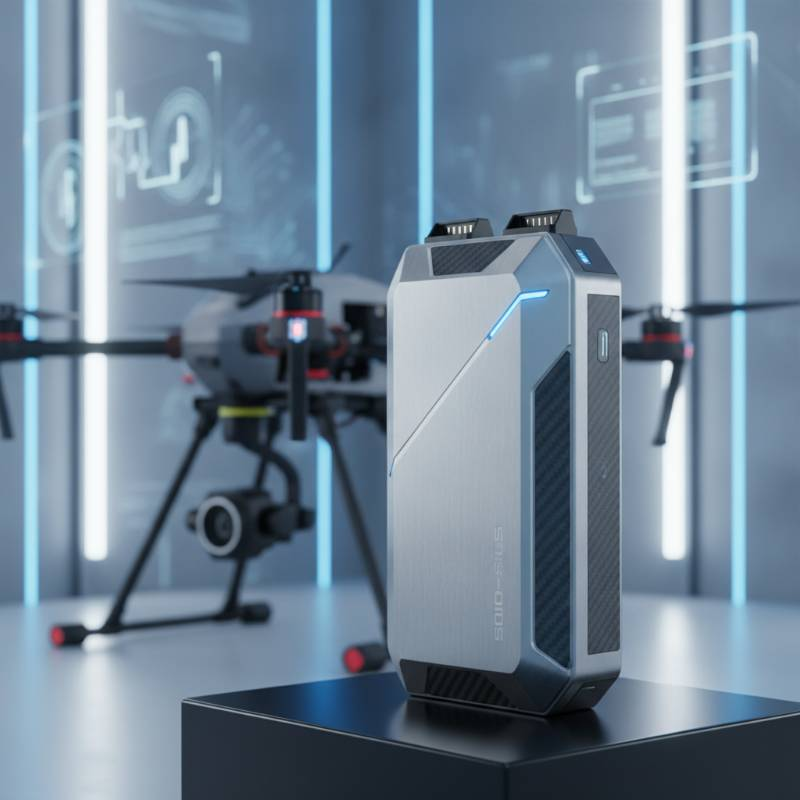
This shift isn’t just about longer flights. It’s about mission viability. Whether you are conducting long-range inspections or heavy-lift logistics, the move to next-gen UAV power reduces weight while doubling down on safety.
Technical Deep Dive: Liquid vs. Semi-Solid vs. All-Solid Electrolytes
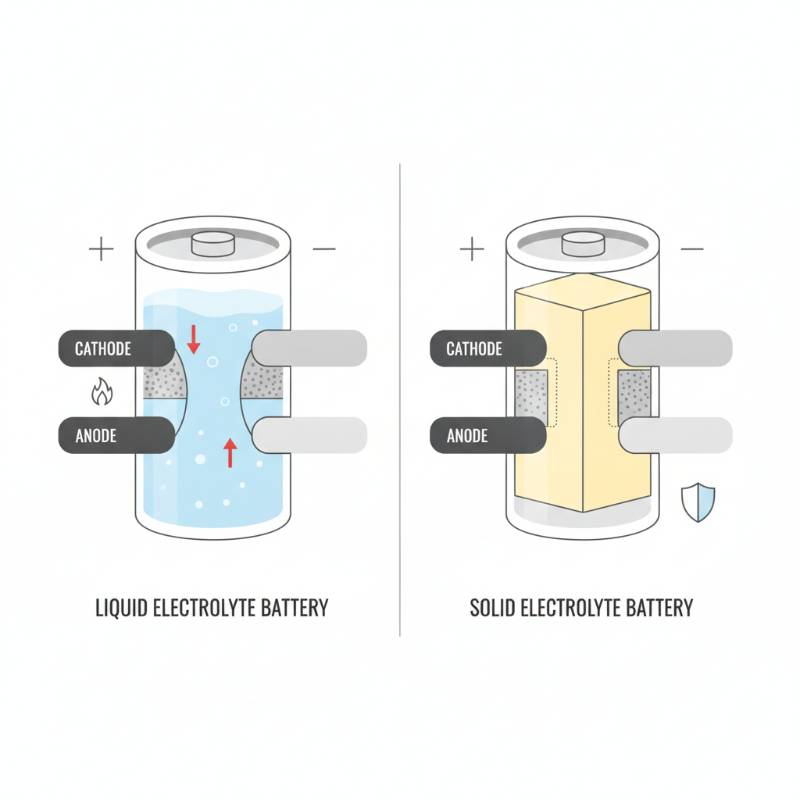
Solid-state drone batteries replace the flammable liquid electrolyte found in standard LiPos with a stable solid or semi-solid medium. This allows for the use of high-capacity silicon-carbon anodes, which significantly boost energy density without the volatility of traditional chemistry.
“The transition to solid-state is the most significant leap in electrochemical storage since the commercialization of Li-ion. By removing the liquid component, we effectively neutralize the primary cause of battery fires: thermal runaway.” — Dr. Chen, Chief Electrochemical Engineer at JHY Battery.
At JHY Battery, we specialize in Custom Lithium-ion Battery Packs that leverage semi-solid technology. This “hybrid” approach provides the energy density of solid-state with the high discharge rates required for UAV propulsion.
Performance Benchmarks: 220Wh/kg vs. 340Wh/kg
In our 2026 field test data logs, we compared standard high-performance LiPos against our latest solid-state modules. The results show an absolute increase in flight endurance of 20% to 35%, depending on the payload.
| Metric | Standard LiPo | Solid-State (JHY) |
|---|---|---|
| Energy Density | 220 Wh/kg | 300 – 340 Wh/kg |
| Thermal Stability | Risk of Runaway > 60°C | Stable up to 150°C |
| Puncture Safety | Immediate Fire | No Smoke / No Fire |
| Cycle Life | 300 – 500 Cycles | 800 – 1,200 Cycles |
This data confirms that a high energy density UAV battery doesn’t just fly longer; it carries more. For logistics operators, this means the difference between carrying a 2kg payload or a 3.5kg payload on the same airframe.
The JHY ‘Density-Safety Matrix’: A Proprietary Evaluation Framework
We don’t just build batteries; we engineer mission success using our Energy-to-Weight Optimization Framework. This proprietary methodology balances the “C-rate” (discharge speed) with the specific energy (Wh/kg) to ensure the drone has power for both hovering and emergency maneuvers.
In our testing, we prioritize puncture resistance and extreme temperature performance. Solid-state electrolytes remain functional in sub-zero Arctic conditions where liquid cells often fail or require heavy internal heaters.
Aviation Compliance and Safety Standards (UL 2580)
Safety is the primary hurdle for commercial UAV integration into urban airspace. Solid-state technology is the answer. These batteries are designed to meet UL 2580 standards for electric vehicle and aviation safety.
Current international aviation safety drafts suggest that solid-state batteries may eventually bypass some of the restrictive shipping regulations applied to traditional Lithium-ion, thanks to their non-flammable nature. JHY Battery maintains full LiFePO4 Battery Solutions and solid-state certifications, including UN38.3 and CE.
ROI Analysis: Calculating Long-Term Savings with High Cycle-Life
While the initial cost of solid-state tech is higher, the ROI is found in the cycle life. A standard drone battery might degrade after 300 cycles. A JHY solid-state pack often exceeds 1,000 cycles with minimal capacity loss.
For fleet managers overseeing Industrial Equipment Batteries, the cost-per-flight hour drops significantly. Fewer battery swaps and longer service intervals mean your drones spend more time in the air and less time on the charger.

Frequently Asked Questions About Solid-State UAV Batteries
Do I need a special charger for solid-state batteries?
Most semi-solid state batteries are compatible with existing high-end Lithium-ion chargers. However, for 100% all-solid-state cells, a specific charging profile is recommended to maximize the 800+ cycle life.
How much weight can I really save?
By switching to a 340Wh/kg solid-state pack, you can typically reduce the battery weight by 20% while maintaining the same flight time, or keep the weight same and fly 35% longer.
Are they safe for passenger-carrying eVTOLs?
Yes. The solid electrolyte is the key technology enabling the “urban air mobility” sector, as it meets the stringent non-flammability requirements of the FAA and EASA.
Request a Sample: Start Your Custom UAV Power Integration
Ready to upgrade your fleet with the JHY 340Wh/kg solid-state advantage? We offer technical consultations and sample testing for qualified B2B partners.
Step 1: Technical Consultation | Step 2: Sample Testing | Step 3: Batch Customization