Rechargeable AA Batteries: Ultimate B2B & Consumer Guide
Rechargeable AA Batteries: The Ultimate B2B & Consumer Power Guide
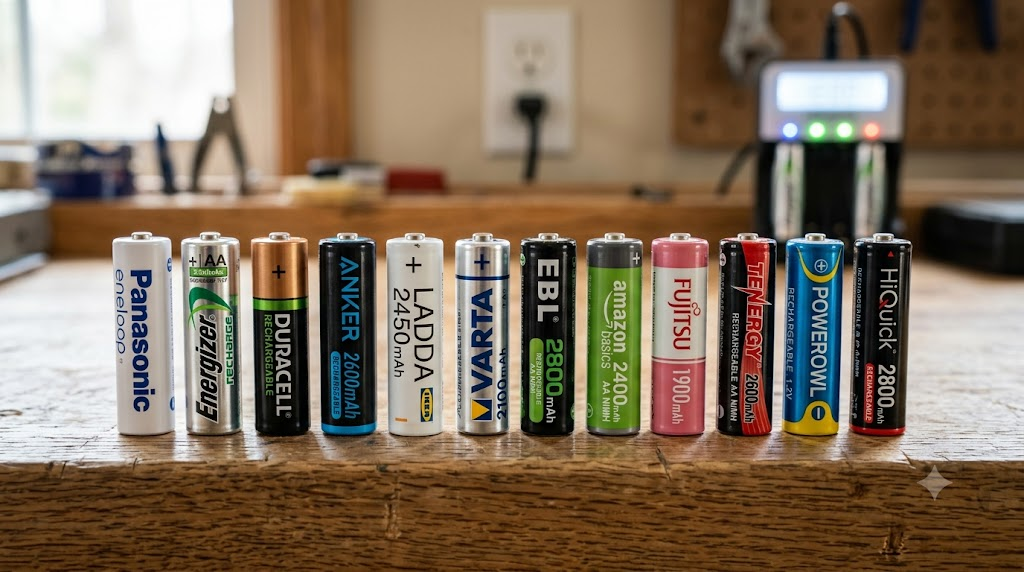
Power delivery systems are undergoing a quiet revolution. Traditional disposable batteries, once the standard for everything from household remotes to industrial sensors, are rapidly being replaced by high-performance alternatives.
Modern rechargeable AA batteries serve a critical dual-use role, delivering sustainable, high-capacity power for everyday household electronics and providing stabilized, long-term voltage for mission-critical industrial sensors, medical telemetry, and emergency systems, significantly lowering the total cost of ownership compared to single-use options.
| Specification | Consumer (NiMH) | Industrial (Lithium-Ion) | Traditional Alkaline |
|---|---|---|---|
| Nominal Voltage | 1.2V (gradual decline) | 1.5V (flat output) | 1.5V (rapid decline) |
| Cycle Life | 500 to 2,100 cycles | 1,000+ cycles | Single-use only |
| Temp Tolerance | 0°C to 40°C | -20°C to 60°C | -10°C to 50°C |
| Best Use Case | Household, low-to-mid drain | Telemetry, IoT, high-drain | Emergency backup, low-drain |
Understanding these differences is key to choosing the right chemistry. Whether you manage a consumer product line or deploy complex industrial arrays, selecting the correct AA battery ensures reliable performance and controls operational costs.
The Chemistry Showdown: 1.2V NiMH vs. 1.5V Lithium-Ion AA Batteries
To understand performance, we must look at how energy moves within these cells. Every battery relies on an Anode and Cathode to transfer ions and generate electrical current.
The primary difference between Nickel-Metal Hydride (NiMH) and Lithium-ion battery options lies in how they discharge their stored energy. This behavior directly impacts device runtime and compatibility.
NiMH batteries deliver a nominal voltage output of 1.2V. Their discharge curve is gradual; as the battery capacity mAh depletes, the voltage steadily drops from around 1.4V down to 1.0V.
This gradual drop can cause some consumer devices to register a “low battery” warning prematurely. However, high-quality low self-discharge options, such as the industry-standard Panasonic Eneloop, hold their charge for years when idle, making them highly reliable.
In contrast, a lithium-ion AA battery uses internal buck-converter circuitry to step down its native 3.6V chemistry to a constant 1.5V. This design ensures absolute voltage stability throughout the entire discharge cycle.
While this flat output keeps high-drain devices running at peak efficiency, it introduces a unique challenge. When the internal cell depletes, the built-in circuit cuts power abruptly, leaving no warning before shutdown.
This “cliff-edge” power drop is crucial to plan for in industrial applications. For systems governed by strict IEC standards, unexpected power cuts can lead to data loss if not managed by software.
Charging protocols also differ significantly. NiMH cells require smart chargers that detect negative delta voltage (-dV) to prevent overcharging.
Lithium-ion AA batteries require specialized 5V USB charging inputs or dedicated chargers designed to interface with their internal protection circuits. Attempting to charge a 1.5V lithium-ion AA in a standard NiMH battery charger can damage the cell and pose safety risks.
The JHY Cycle-Life Efficiency Protocol (CLEP)
Consistency is key when deploying batteries at scale. At JHY Battery, we use a proprietary evaluation system to ensure reliable performance across all production runs.
We call this process the Cycle-Life Efficiency Protocol (CLEP). This framework guides our quality control and testing procedures.
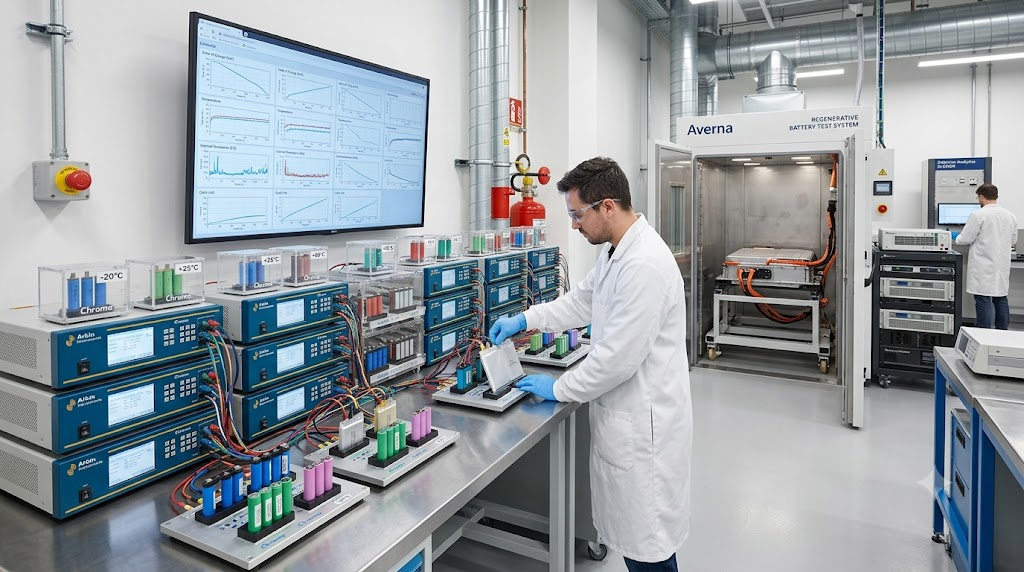
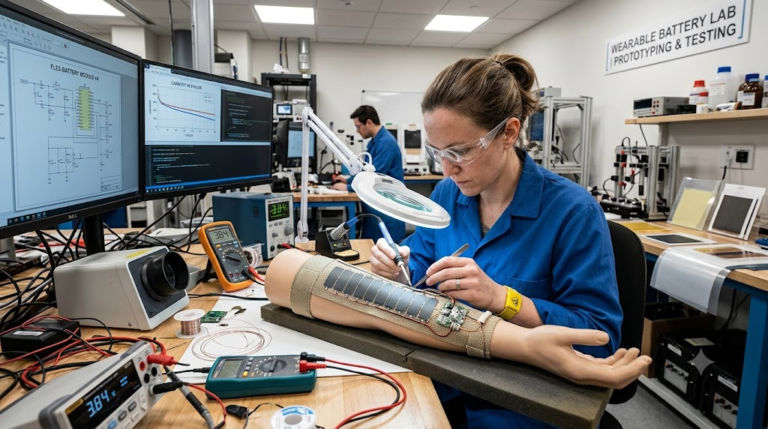
Our physical testing methodology subjects cells to automated charge cycles under varying thermal conditions. This allows us to track capacity retention, internal resistance changes, and thermal output over 1,000+ continuous cycles.
By monitoring these variables, we ensure exceptional cell consistency across production batches. This testing protocol guarantees that the batteries we manufacture meet strict ISO9001 and UL safety standards, providing reliable power for both consumer and industrial applications.
Consumer Applications: Optimizing Smart Homes and High-Drain Devices
In modern homes, the demand for reliable portable power is higher than ever. High-drain smart home devices, automated toys, and digital cameras can quickly drain traditional single-use batteries.
Using consumer batteries like NiMH in these applications offers significant cost benefits. While the upfront investment is higher, rechargeable options quickly pay for themselves.
For low-drain devices like remote controls or wall clocks, low self-discharge NiMH batteries are highly effective. For high-drain devices like camera flashes or motorized toys, 1.5V Lithium-ion AA batteries offer the faster recycle times and stable voltage needed for optimal performance.
Industrial Applications: Powering Medical Telemetry, IoT, and Mission-Critical Systems
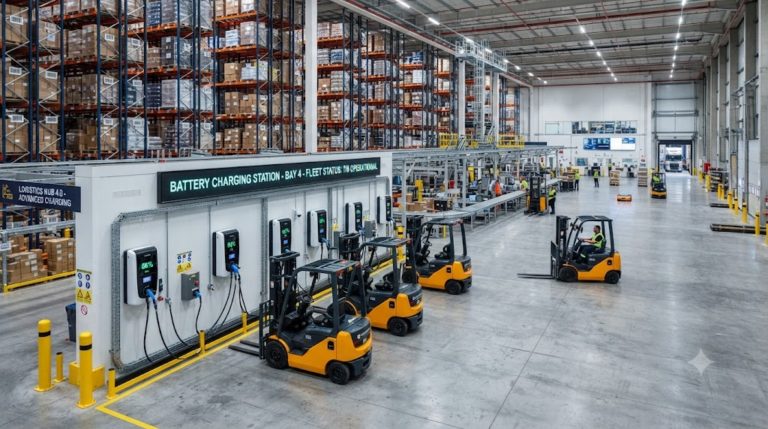
Industrial environments demand high reliability. Standard consumer batteries often fail when exposed to extreme temperatures or continuous high-load cycles.
Deploying specialized industrial battery solutions ensures that critical systems remain operational under harsh conditions.
Industrial AA batteries are designed to operate across a wide temperature range, from -20°C to 60°C. This makes them ideal for outdoor IoT sensors, cold-chain monitoring, and remote weather stations.
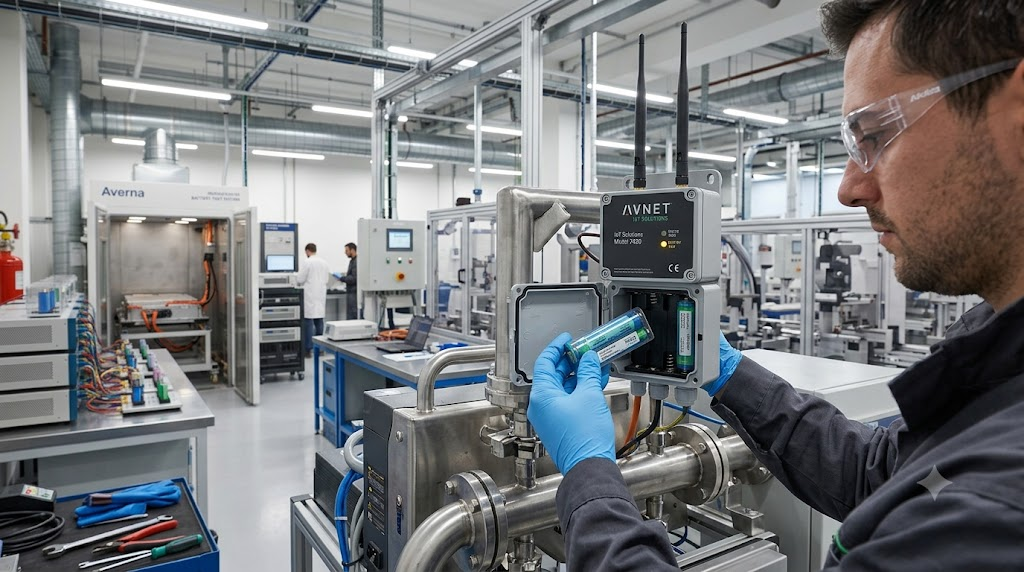
In medical facilities, telemetry devices must run continuously without power interruptions. The stable voltage of lithium-ion AA chemistry ensures these devices transmit data reliably without dropouts.
Emergency backup systems also rely on these batteries for their low self-discharge rate. This ensures they retain power during long periods of storage and are ready to perform when main power fails.
Custom Battery Pack Engineering: When Standard AA Batteries Aren’t Enough
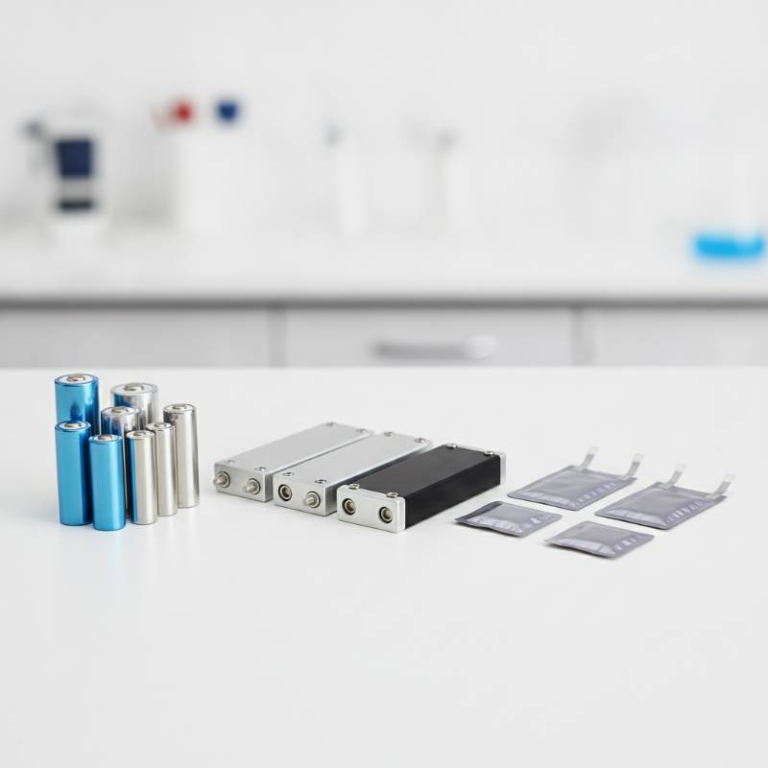
While individual AA batteries are highly versatile, many advanced industrial systems require more power, custom form factors, or specialized management systems.
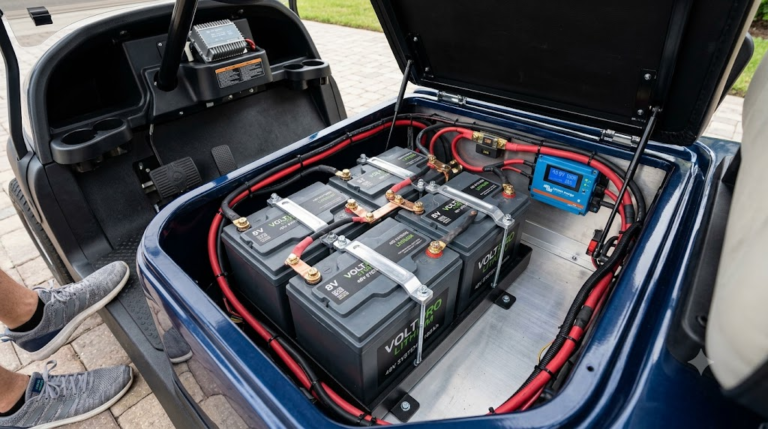
When off-the-shelf options fall short, engineering custom lithium-ion battery packs provides the tailored voltage, capacity, and dimensions required for complex designs.
At JHY Battery, we specialize in developing custom battery packs for demanding medical, industrial, and energy storage applications. Through our OEM/ODM battery solutions, we handle the entire process from initial design to final certification.
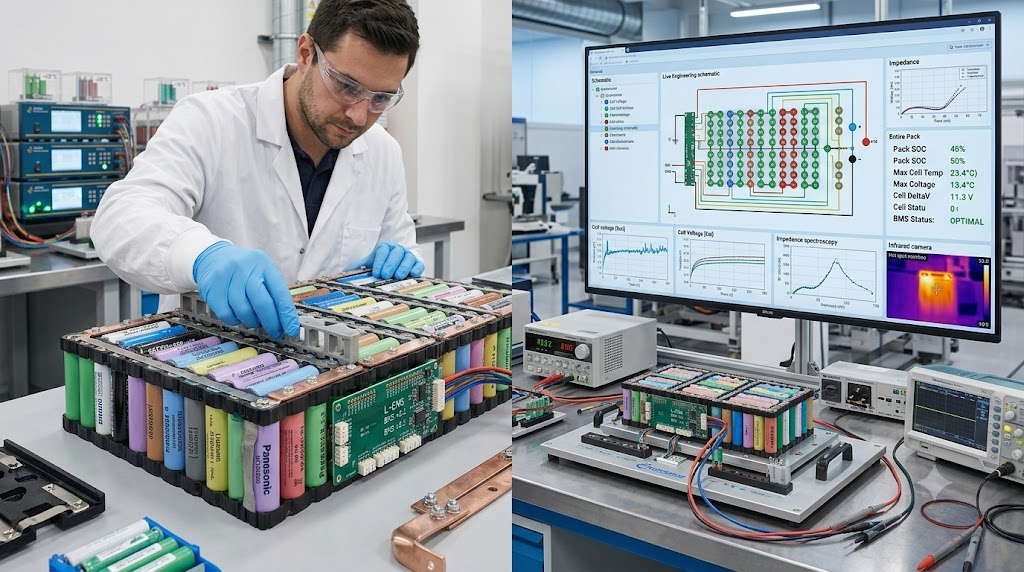
Our engineering team designs custom Battery Management Systems (BMS) to protect against overcharging, over-discharging, and thermal runaways. This ensures safe and reliable performance under high demands.
We work with various chemistries, including high-energy Lithium-ion and durable Lithium Iron Phosphate (LiFePO4). All our custom packs are certified to international standards, including ISO9001, CE, UN38.3, and UL, ensuring seamless integration and safety.
Environmental Impact: The True Cost of Single-Use vs. Rechargeable Power
The environmental cost of single-use batteries is substantial. Millions of alkaline batteries end up in landfills each year, where they can leak heavy metals and chemicals into the soil.
Transitioning to rechargeable batteries is a highly effective way to reduce waste and lower your carbon footprint.
While rechargeable batteries contain metals like nickel or lithium, their long service life significantly reduces their overall environmental impact. Over its lifetime, a single rechargeable battery can replace hundreds of disposable ones.
Proper battery recycling is essential for both NiMH and Lithium-ion chemistries. Recycling programs, such as those supported by the U.S. Environmental Protection Agency (EPA), help recover valuable metals and prevent hazardous waste from entering the environment.
By choosing rechargeable systems and supporting local recycling initiatives, both consumers and businesses play an important role in the transition to more sustainable energy solutions.
Frequently Asked Questions About Rechargeable AA Batteries
Can I charge 1.5V Li-ion AA batteries in a standard NiMH charger?
No. Standard NiMH chargers use charging algorithms that are incompatible with the internal buck-converters of 1.5V Lithium-ion AA batteries. Attempting to use a standard charger can damage the battery or charger and poses a safety risk. Always use the manufacturer-recommended charger.
Why do some devices fail to work with 1.2V NiMH batteries?
Some devices are designed for the 1.5V output of fresh alkaline batteries. Because NiMH batteries operate at 1.2V, these sensitive devices may read them as nearly depleted and shut down early. For these devices, 1.5V Lithium-ion rechargeable AA batteries are a better choice.
What are the safety risks of low-quality rechargeable batteries?
Low-quality cells often lack proper internal protection circuits. This increases the risk of short circuits, overcharging, and thermal runaway, which can lead to leaks, smoke, or fires. Choosing certified batteries from reliable manufacturers ensures safe operation.
Meet Our Expert: Rigorous Quality Control and Engineering Standards
“In our laboratory testing, we focus on cell consistency and thermal stability under load. Whether we are producing consumer AA batteries or complex custom lithium-ion battery packs, adhering to strict testing protocols is essential to safety and long-term reliability.”
— Dr. Aris Thorne, Senior Electrochemical Specialist at JHY Battery
Dr. Thorne brings over fifteen years of battery design and manufacturing experience to JHY Battery. His work focuses on improving cycle life, thermal safety, and cell consistency across all our product lines.
Under his guidance, our engineering teams develop high-performance battery packs that meet the strict requirements of medical, industrial, and commercial clients worldwide.
Ready to Optimize Your Power Solutions?
Whether you need high-capacity rechargeable AA batteries or a custom-engineered battery pack, JHY Battery provides certified, high-performance power solutions tailored to your needs.