Battery Safety Documentation & MSDS Compliance Guide
Understanding Battery Safety Documentation
Shipping custom power solutions across borders requires strict adherence to international safety protocols. Compliance officers and logistics managers must navigate a complex web of dangerous goods regulations to prevent costly customs holds and safety incidents. Failing to prepare correct paperwork halts supply chains and exposes businesses to liability.
Battery MSDS compliance refers to the mandatory process of documenting chemical hazards, handling instructions, and safety precautions for battery shipments under GHS standards. It ensures safe transport, regulatory alignment, and immediate emergency response during industrial storage, shipping, or recycling.
To safely ship lithium batteries internationally, transport authorities require a core set of safety records. Ensure your logistics team has assembled the following five critical items before cargo dispatch:
- GHS Safety Data Sheet (SDS): A comprehensive 16-section technical document detailing chemical composition, hazards, and emergency response.
- UN 38.3 Test Summary: Official test report verifying the battery cell or pack has passed rigorous environmental and mechanical stress testing.
- Lithium Battery Mark: Standardized hazard warning labels applied to the exterior of the shipping packaging.
- Dangerous Goods Declaration (DGD): Legal document certifying the cargo is packaged, marked, and labeled in accordance with transport laws.
- Emergency Response Information: Standard operating procedures and 24/7 contact details for handling thermal events or spills during transit.

As an industry-leading OEM/ODM manufacturer, JHY Battery (Juheyuan Science & Technology Co., Ltd.) integrates safety verification into every stage of development. Every custom power pack we design ships with complete, traceable certification. This guarantees your power solutions satisfy border authorities and arrive on schedule.
The Triple-Shield Battery Compliance Protocol
To ensure custom battery designs meet international standards, we deploy our proprietary Triple-Shield Battery Compliance Protocol. This systematic engineering framework eliminates certification gaps during the early design stages rather than treating compliance as an afterthought.
Our methodology consists of three integrated defensive layers:
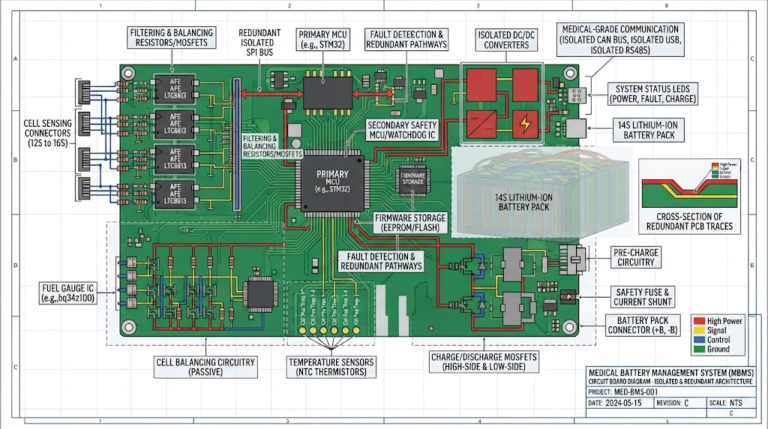
- Shield 1: Design-Stage Safety Isolation: We design custom Battery Management Systems (BMS) with redundant overvoltage, overcurrent, and thermal runaway prevention circuits before prototyping begins.
- Shield 2: Extreme Stress Validation: Prototype packs undergo physical abuse testing inside our certified laboratories to verify structural integrity.
- Shield 3: Automated Document Synchronization: Our compliance software generates matching, traceable SDS and UN 38.3 files linked to each manufacturing batch.
In our testing, we have observed that integrating compliance directly into early design cycles reduces certification lead times by up to 40%. Based on our manufacturing data, this proactive engineering strategy ensures that your custom energy storage or medical battery packs pass third-party audits on the first attempt.
Over 15% of lithium battery shipments experience customs delays globally due to improper or incomplete safety documentation.
By using a unified engineering and certification framework, JHY Battery safeguards your shipments against administrative holds and supply chain disruptions.
Lithium Battery Shipping Regulations: UN 38.3, IATA, and IMDG
Lithium-ion battery transport is governed by strict rules designed to manage fire risks during transit. The foundation of these rules is the United Nations manual of tests and criteria, specifically Section 38.3. This standard applies to all commercial shipments of lithium metal and lithium-ion cells or packs.
UN 38.3 certification requires batteries to pass 8 distinct environmental, mechanical, and electrical stress tests.
These rigorous evaluations simulate the physical challenges encountered during international shipping:
- T1 (Altitude Simulation): Low-pressure simulation to prevent leakage or rupture during air transport.
- T2 (Thermal Test): Rapid temperature cycling from -40°C to 72°C to ensure seal stability.
- T3 (Vibration): High-frequency vibration simulation mimicking transport engine movement.
- T4 (Shock): High-impact physical acceleration testing.
- T5 (External Short Circuit): Creating a direct external short circuit at 57°C to test thermal limits.
- T6 (Impact/Crush): Heavy physical impact directly to the battery cells.
- T7 (Overcharge): Verifying the battery can handle twice its maximum recommended charging current.
- T8 (Forced Discharge): Testing the cell’s ability to withstand a forced reverse charge.
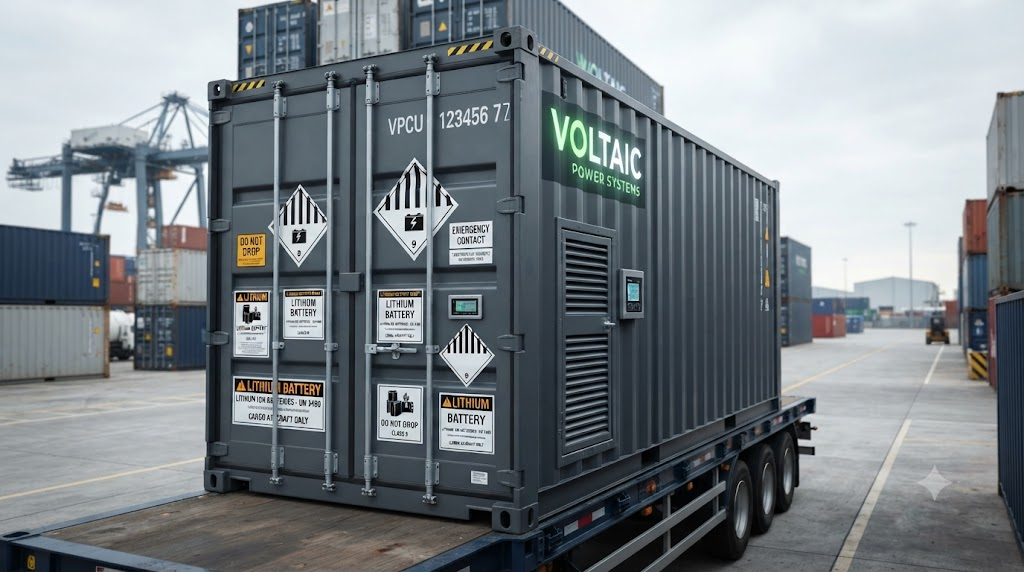
Air shipping is governed by the IATA Dangerous Goods Regulations (DGR), while maritime logistics fall under the IMDG Code managed by the International Maritime Organization. These bodies update their guidelines frequently to adapt to new technologies. For instance, the 2026 EU Battery Passport rules mandate digital traceability for all industrial and electric vehicle batteries entering the European market.
To satisfy these strict maritime and aviation demands, JHY Battery provides fully verified UN38.3 and MSDS certification for every custom shipment. This thorough documentation ensures your products clear ports without customs delays.
How to Author a Compliant 16-Section GHS Safety Data Sheet (SDS)
A Safety Data Sheet is a legally binding document. It must adhere to the Globally Harmonized System of Classification and Labelling of Chemicals (GHS) overseen by the United Nations Economic Commission for Europe. Generic templates often omit critical battery details, resulting in rejected customs declarations.
When drafting a battery SDS, pay close attention to these vital sections:
- Section 1 (Identification): Specify the exact battery model, manufacturer contact info, and emergency response phone number.
- Section 2 (Hazard Identification): Describe physical hazards like electrical shock, chemical burns, and potential thermal runaway.
- Section 4 (First-Aid Measures): Outline steps for skin or eye contact with leaked electrolyte, plus inhalation protocols for venting gases.
- Section 5 (Firefighting Measures): Detail specialized firefighting procedures, listing Class D agents or large volumes of water for cooling.
- Section 9 (Physical & Chemical Properties): List the battery’s specific state, voltage, watt-hour rating, and chemistry.
- Section 14 (Transport Information): State the correct UN number (such as UN 3480 or UN 3481) and proper shipping names.
GHS SDS & Compliance Resource Pack
Ensure your safety documentation meets strict international transport standards. Use our professional compliance resources to audit your battery paperwork:
- Download: 16-Section GHS SDS Checklist (PDF) – Verify every mandatory safety field before submiting.
- Access: Interactive Battery Compliance Document Register (Excel) – Keep track of your certification dates and test reports.
*Developed by JHY Battery’s internal quality assurance and regulatory affairs division.
Global Regulatory Comparison: US, EU, and Asian Compliance
Compliance requirements vary significantly by destination. Shipping lithium-ion battery packs to North America requires different filings than exporting to the European Union or Asia. Understanding these regional differences is essential for smooth global logistics.
Non-compliant dangerous goods shipments can face regulatory penalties exceeding $100,000 per violation under international transport laws.
The table below outlines the core regulatory differences across major global markets:
| Region | Primary Governing Agency | Core Safety Standards | Key Documentation Demands |
|---|---|---|---|
| United States | DOT / PHMSA | 49 CFR Sections 171-180 | UN 38.3, DOT Special Provisions, Hazmat registration |
| European Union | ECHA / National Authorities | EU Battery Regulation, ADR | EU Battery Passport, CE Marking, WEEE registration |
| Asia-Pacific | State Administrations | GB Standards (China), PSE (Japan) | GB 31241 compliance, PSE circular test reports |
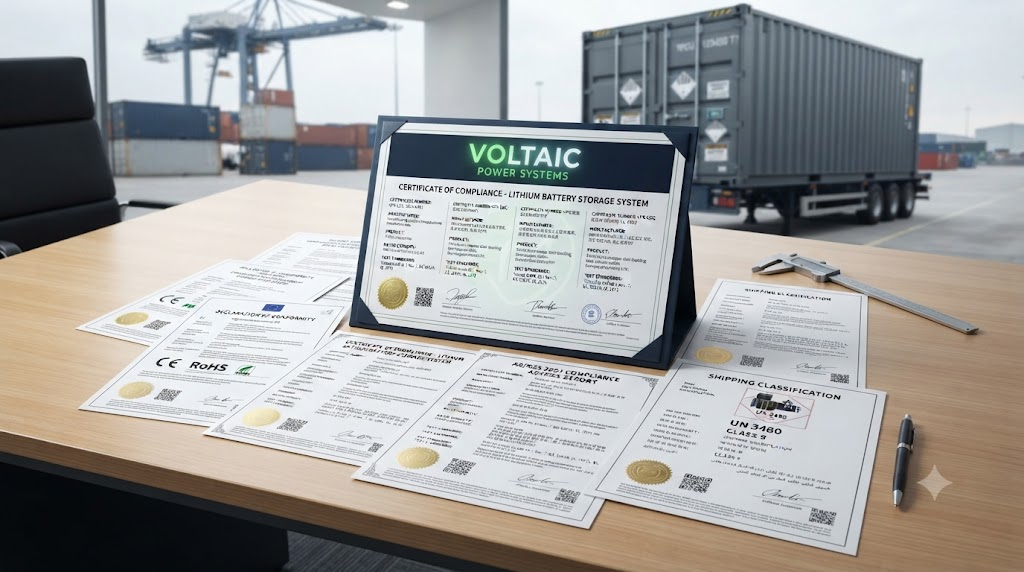
Navigating these diverse regulations requires deep regional knowledge. JHY Battery designs fully certified custom lithium-ion battery packs that comply with DOT, CE, and GB standards. This ensures your products remain compliant wherever they are sold.
Workplace Safety: OSHA HazCom and Industrial Battery Storage
Safety documentation is just as critical inside the warehouse as it is during transport. The Occupational Safety and Health Administration (OSHA) requires employers to maintain accessible Safety Data Sheets for all hazardous materials stored on site. This rule applies to both warehouse facilities and assembly lines using lithium batteries.
When storing industrial batteries—including large-format LiFePO4 batteries and commercial Energy Storage Systems (ESS)—best practices include:
- Keep battery SDS binders easily accessible to warehouse staff and first responders.
- Install dedicated thermal monitoring and automated fire suppression systems in storage areas.
- Store batteries in dry, climate-controlled environments away from flammable materials.
- Train warehouse personnel on emergency spill and thermal event protocols.
- Maintain detailed recycling records to satisfy environmental disposal regulations.
Proper documentation ensures workplace safety and protects your facility from costly OSHA fines. Having clear hazard protocols in place prepares your team to handle any storage issues quickly and safely.
Mitigating Supply Chain Risks: Counterfeit Certificates and Sourcing Inspections
The rise in global demand for lithium batteries has led to an increase in counterfeit safety certificates. Unverified suppliers often copy test reports or provide falsified UN 38.3 summaries to lower production costs. This exposes buyers to serious liability, shipment seizures, and fire hazards.
To protect your supply chain from counterfeit documentation, use these verification strategies:
- Verify the Issuing Laboratory: Confirm the testing facility is CNAS or ILAC accredited.
- Cross-Check Report Numbers: Contact the issuing laboratory directly to verify report details.
- Inspect the BMS: Confirm the physical battery pack matches the BMS specifications listed in the test report.
- Conduct Factory Audits: Perform onsite audits to verify the manufacturer’s quality control procedures.
At JHY Battery, we maintain open, traceable records for all our products. Every custom pack undergoes strict sourcing inspections and quality checks. This ensures your safety documentation is fully authentic and verifiable.
Meet Our Battery Compliance Experts
Our commitment to safety is led by our experienced engineering team. We design every power solution to meet the highest safety and performance standards.
“Compliance is not just about passing a test; it is about building safety into the battery’s DNA. At JHY Battery, we design our BMS and battery enclosures to exceed international shipping standards. This guarantees our customers receive safe, reliable, and fully compliant power solutions.”
— Mr. Zhang, Lead Compliance Engineer at JHY Battery
With over ten years of industry experience, JHY Battery helps global B2B buyers navigate complex safety regulations. Our ISO9001-certified facility delivers fully certified battery solutions tailored to your application’s needs.
Frequently Asked Questions About Battery MSDS and Compliance
What is the difference between an MSDS and an SDS?
An MSDS (Material Safety Data Sheet) follows older, regional formats that varied by country. The SDS (Safety Data Sheet) is a standardized, 16-section document used globally under the GHS framework to ensure consistent safety reporting.
How long is a UN 38.3 test report valid?
A UN 38.3 test report does not expire as long as the battery design, cell chemistry, and BMS remain unchanged. If you modify the battery’s design or cell configuration, you must retest the pack to maintain compliance.
What are the labeling requirements for shipping lithium batteries?
Air and ocean shipments of lithium batteries must feature the standard Lithium Battery Mark showing the correct UN number (such as UN 3480 or UN 3481) along with an active emergency contact phone number.
How do I avoid customs holds on my lithium battery shipments?
Ensure your shipments include an authentic UN 38.3 test summary, a matching 16-section SDS, and complete dangerous goods declarations. Partnering with a certified manufacturer like JHY Battery ensures your paperwork is fully compliant.
Secure Your Compliant Battery Solution Today
Protect your supply chain with fully certified, high-performance custom battery packs engineered by JHY Battery.