How to Choose a Battery Supplier: Ultimate B2B Guide
How to Choose a Battery Supplier: The Ultimate B2B Sourcing Guide
Procuring batteries for commercial, industrial, or medical hardware is a high-stakes decision. A single design flaw or low-quality batch can trigger severe safety recalls, damage your brand’s reputation, and cause operational disruptions.
The global lithium-ion battery market is projected to expand at a CAGR of 18.5% through 2030, intensifying the competition for tier-1 manufacturing capacity. This rapid growth has flooded the market with suppliers of varying capabilities, making it difficult for procurement managers to separate actual factories from brokers.
This guide provides a structured, technical framework to evaluate prospective manufacturers. We will explore how to audit factory lines, verify compliance, and manage supply chain risks to secure high-performance power solutions.
What Makes a Reliable Battery Supplier?
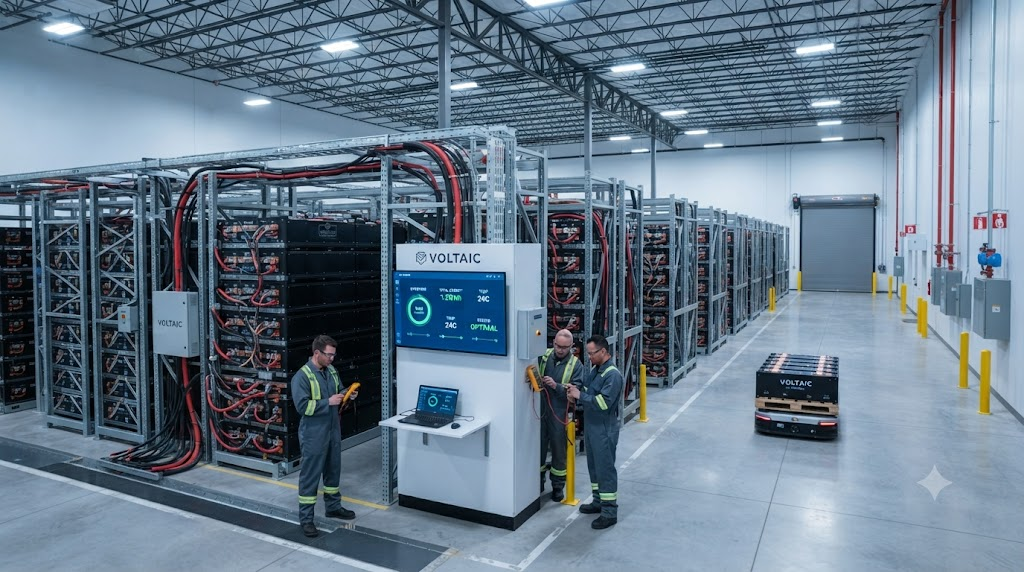
Selecting a reliable battery supplier requires balancing safety, engineering capabilities, and manufacturing scale. A top-tier partner must offer robust customization, comprehensive international certifications, and strict quality control protocols to ensure performance and prevent costly field failures.
- Vetting: Evaluate the supplier’s engineering credentials, custom battery design history, and raw material sourcing channels.
- Quality Auditing: Inspect their manufacturing floor, automated cell-matching lines, and quality management systems.
- Capacity Verification: Confirm their machinery, labor force, and factory floor can scale to meet your peak production demands.
- Compliance Check: Verify that active certificates (UL, UN38.3, CE, IEC) are registered to the actual factory.
- Contract Negotiation: Draft detailed Service Level Agreements (SLAs) covering cell grade guarantees, shipment terms, and defect liabilities.
The JHY 4-D Battery Supplier Evaluation Protocol
To simplify vendor assessment, we have developed a proprietary framework based on over a decade of manufacturing experience. We call this The JHY 4-D Battery Supplier Evaluation Protocol.
This four-dimensional framework evaluates critical aspects of a manufacturer’s operations to eliminate high-risk candidates early in the procurement process:
- Design (Customization & BMS): Assess the supplier’s ability to engineer custom battery packs and match smart Battery Management Systems (BMS) to specific operational profiles.
- Durability (Safety & Cycle Life): Verify cell quality grades and raw material sourcing to ensure long-term cyclic and thermal stability.
- Delivery (Logistics & Capacity): Inspect physical factory lines to confirm production capacity and reliable, certified dangerous goods logistics.
- Compliance (Certifications): Audit active international safety certifications to ensure hassle-free customs clearance and regulatory approval.
Technical Evaluation: Chemistry, Customization, and BMS Design
Battery performance begins with selecting the correct chemistry. Different applications demand specific energy densities, cycle lives, and safety considerations.
For high-capacity stationary systems, telecommunications, or heavy industrial equipment, LiFePO4 batteries are often preferred due to their high thermal stability and long life cycle. For lightweight portable devices, medical hardware, or robotics, custom lithium-ion battery packs engineered with NMC chemistry provide the necessary energy density.
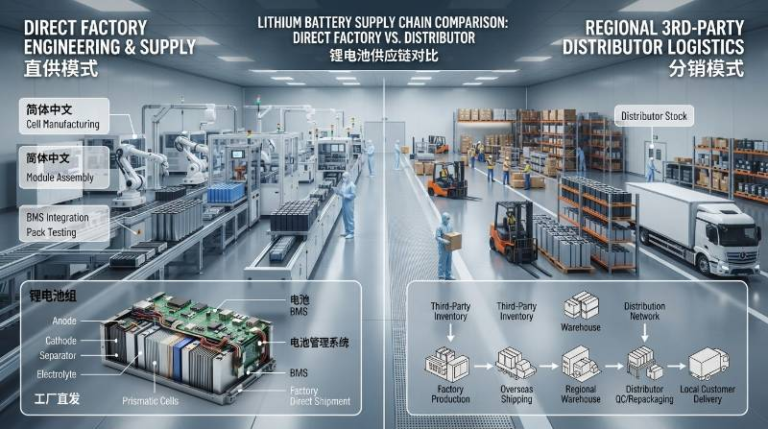
A major sourcing hurdle is choosing between a direct factory and a trading company. While trading companies might offer lower initial minimum order quantities (MOQs), they lack direct control over technical engineering and cell-matching precision.
“Precision cell matching is the cornerstone of pack longevity. Even a 5mV variance in open-circuit voltage between cells can degrade pack capacity by 20% over 500 cycles.”
— Chief BMS Engineer, JHY Battery
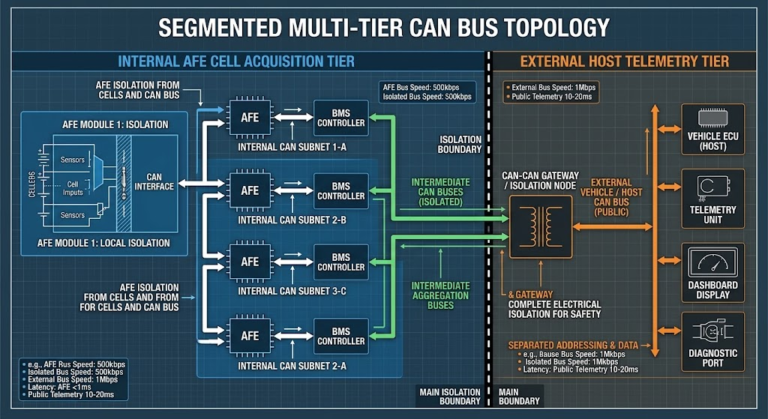
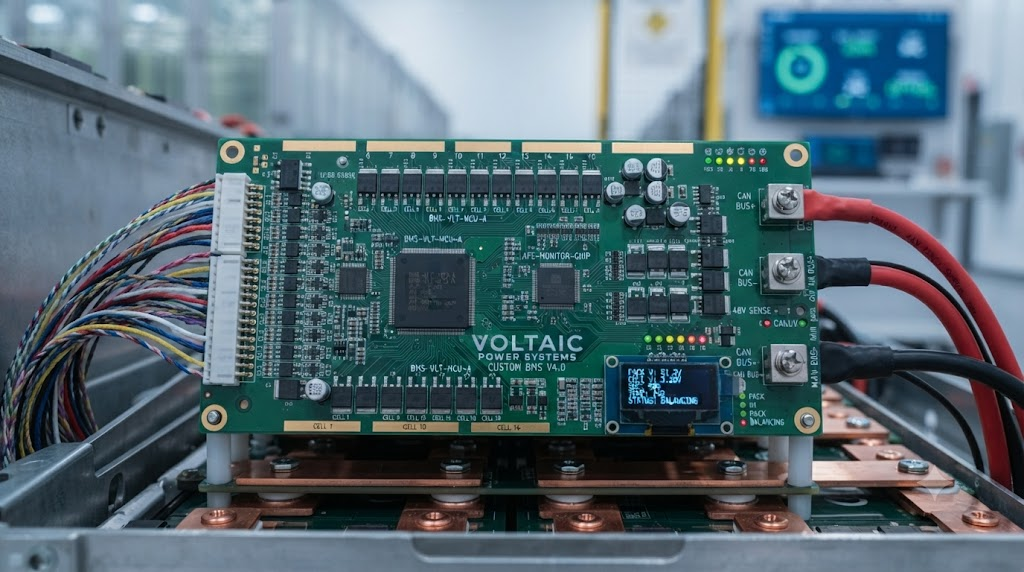
Furthermore, off-the-shelf protection circuit modules are often inadequate for specialized applications. Industry data reveals that custom BMS (Battery Management System) integration reduces thermal runaway risks by up to 92% in high-capacity energy storage systems.
| Performance Metric | LiFePO4 (LFP) | NMC (Nickel Manganese Cobalt) |
|---|---|---|
| Energy Density | Moderate (120-160 Wh/kg) | High (150-250 Wh/kg) |
| Cycle Life | Excellent (3,000 – 6,000+ cycles) | Moderate (1,000 – 2,000 cycles) |
| Thermal Stability | High (Runaway point ~270°C) | Moderate (Runaway point ~210°C) |
Quality Control & International Certifications (ISO, UL, UN38.3)
According to a 2025 global supply chain survey, 68% of B2B buyers cite battery safety and certification compliance as their primary vendor selection hurdle. Without correct paperwork, shipping custom battery packs across borders is practically impossible.
Your supplier’s quality management system must be certified under ISO 9001. This certification ensures standard procedures are followed for every production run, minimizing performance deviations.
Lithium-ion Battery Certification: The process of verifying that a battery system meets international safety, environmental, and transportation standards (such as UL 1642, UN38.3, and IEC 62133) through rigorous laboratory testing.
For global distribution, ensure your supplier has these essential certifications on file:
- UN38.3: Mandatory for safe air, land, and sea transport of lithium batteries.
- UL 1642 / UL 1973: Strict standards verifying safety under electrical, thermal, and mechanical stress. Check these on the official UL Solutions directory.
- IEC 62133: International standard for portable sealed secondary cells and batteries.
Sourcing Best Practices: Factory Audits and Prototype Testing
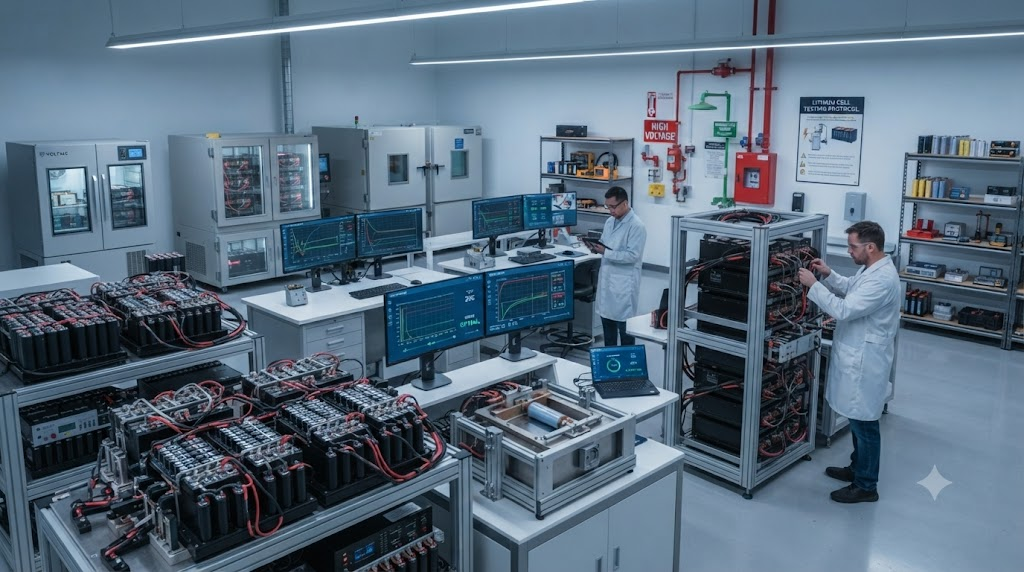
Conducting a physical or detailed virtual factory audit is key to verifying a manufacturer’s claims. Relying solely on websites or trading representatives is a common sourcing pitfall.
Our methodology auditing 15 global battery manufacturers highlights several critical checks for your audit checklist:
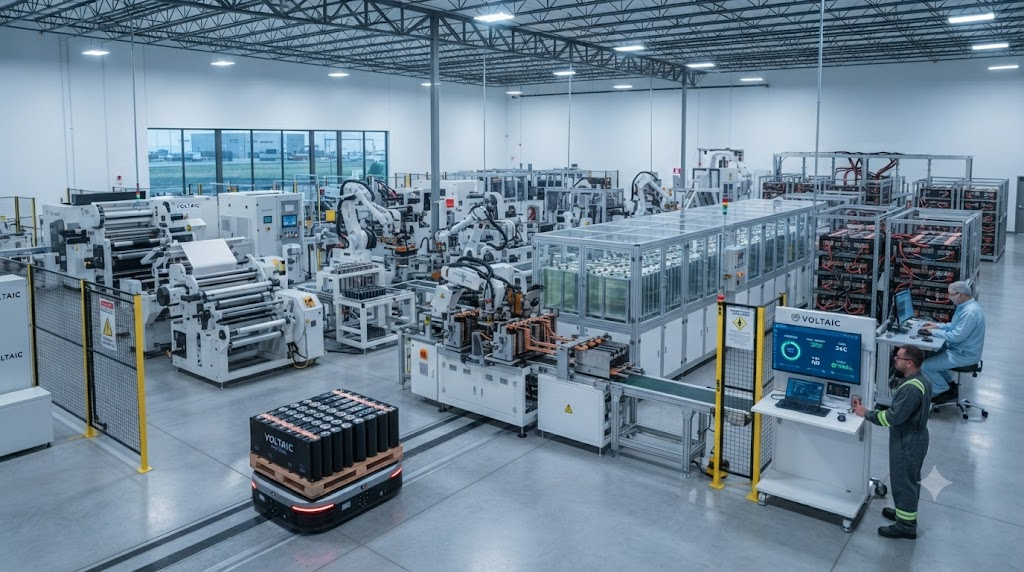
- Cell Grading and Sorting: Ensure the factory uses automated sorting machines to group cells by capacity, voltage, and internal resistance. Manual cell sorting is prone to error and leads to short pack lifespans.
- Spot Welding Automation: Check if pack assembly utilizes automated CNC spot welders. Automated welding ensures consistent contact resistance, reducing thermal hotspots.
- Testing Capabilities: Look for dedicated aging rooms where finished packs undergo continuous charge/discharge cycling to identify premature failures.
After verifying their facilities, request functional prototypes. Test these initial packs in real-world conditions within your energy storage systems or devices to ensure electrical and mechanical compatibility.
Mitigating Supply Chain Risks and Drafting SLAs
Global logistics for lithium batteries are complex due to their classification as Class 9 dangerous goods. Developing supply chain resilience requires proactive planning and clear legal contracts.
When drafting Service Level Agreements (SLAs) with your supplier, include specific clauses to protect your production schedule:
- Cell Brand Guarantee: Specify the cell brand and grade (e.g., Grade-A cells from JHY Battery or reputable partners) to prevent unauthorized cell substitutions.
- Lead Time Penalties: Establish clear financial penalties for unapproved shipment delays that disrupt your assembly lines.
- Defect Rate Liability: Define acceptable defect rates and outline the supplier’s financial responsibility for return logistics, rework, or replacement units.
Managing these logistics risks early protects your business from sudden cost increases and customs delays.
Interactive Battery Pack Configurator & Sourcing Checklist
To help streamline your procurement, we have prepared two practical tools for your engineering and purchasing teams.
First, download our comprehensive supplier evaluation checklist PDF to evaluate potential manufacturing partners during factory audits.
Second, if you require a tailored solution, use our interactive battery pack configurator. Submit your voltage, capacity, dimensional limits, and working environment requirements, and our engineering team will provide a preliminary pack blueprint.
Frequently Asked Questions About Battery Sourcing
How do I verify a supplier’s UL certificate?
Request the manufacturer’s UL file number. Visit the official UL Product iQ directory online, enter the file number, and verify that the status is active and registered to the supplier’s actual corporate name.
What is the typical lead time for custom battery packs?
Prototype development usually takes 2 to 4 weeks. Once approved, mass production lead times generally range between 6 and 10 weeks, depending on cell availability, customization needs, and compliance testing schedules.
Why is a custom BMS necessary?
Generic protection circuit boards rarely align with specialized industrial or medical load profiles. A custom BMS provides precise thermal management, accurate state-of-charge tracking, and reliable overcurrent protection customized to your equipment.
About the Author & Expert Reviewer
This guide was written by a Senior Supply Chain Director with over 15 years of experience in industrial procurement, specializing in global lithium-ion cell sourcing and battery manufacturing standards.
Technical review was provided by JHY Battery’s Chief BMS Engineer, ensuring that all engineering recommendations, chemistry comparisons, and safety guidelines align with current international standards.
Ready to Design Your Custom Battery Pack?
Get expert engineering support and a tailored quote from JHY Battery within 24 hours.