Medical Device Battery Safety Standards: Compliance Guide
Understanding Medical Device Battery Safety Standards
Active medical devices rely heavily on rechargeable lithium-ion technology. From portable ventilators to clinical infusion pumps, these power sources must perform flawlessly under intense conditions. Failure is not an option when patient lives are on the line.
Medical Device Battery Safety Standards are mandatory regulatory frameworks ensuring that lithium-ion battery packs operate safely under normal and abnormal conditions. These standards prevent hazards like thermal runaway, electrical shock, and chemical leaks, safeguarding critical patient-connected hardware in clinical and home healthcare environments.
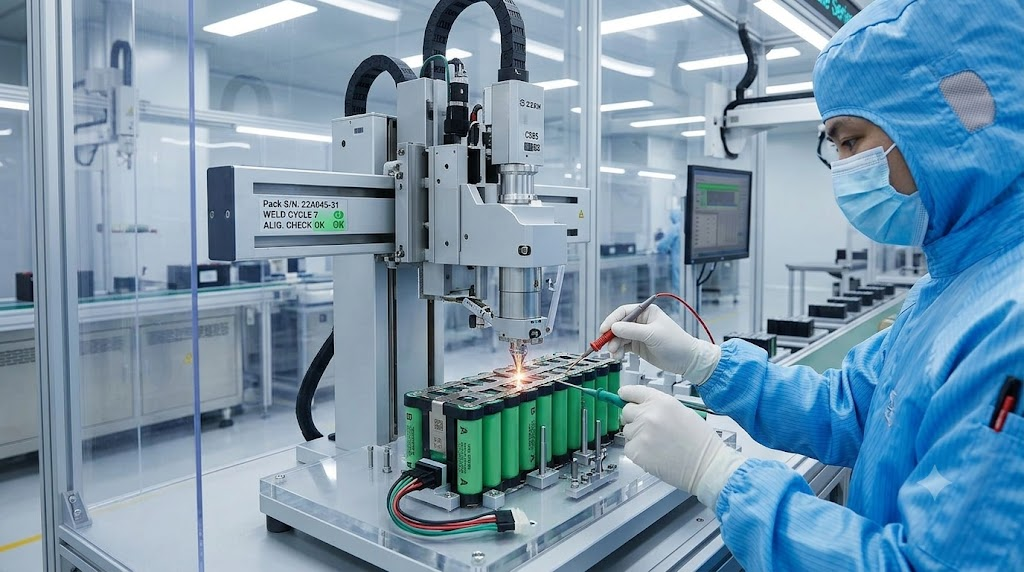
| Standard | Geographic Scope | Focus Level | Key Testing Area |
|---|---|---|---|
| IEC 62133 | Global / International | Cell & Pack Level | Thermal, vibration, and mechanical abuse |
| UL 2054 | North America (US/Canada) | Pack Level Only | Abnormal overcharge, short-circuit, and enclosure tests |
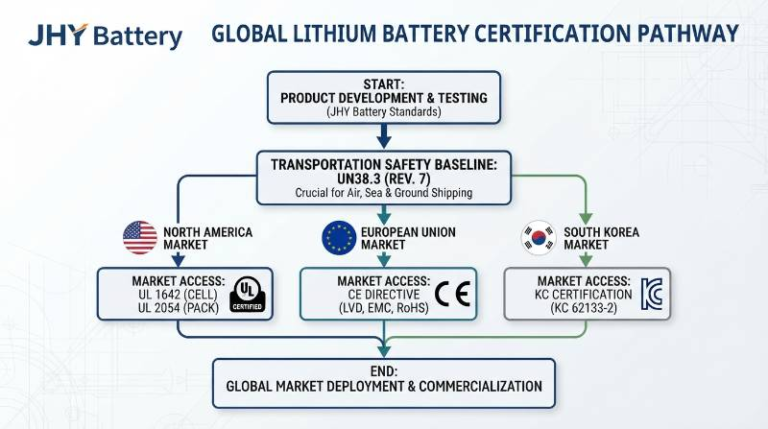
| UN 38.3 | Global Transport | Cell & Pack Level | Altitude simulation, thermal cyclic, and impact shock |
To navigate this landscape successfully, engineering teams must implement a structured compliance workflow. This workflow minimizes regulatory delays and ensures rapid market entry.
Essential Compliance Steps for Manufacturers:
- Verify that the base cells carry individual UL 1642 and IEC 62133-2 certifications.
- Design a redundant Battery Management System (BMS) to handle overvoltage, undervoltage, and overcurrent scenarios.
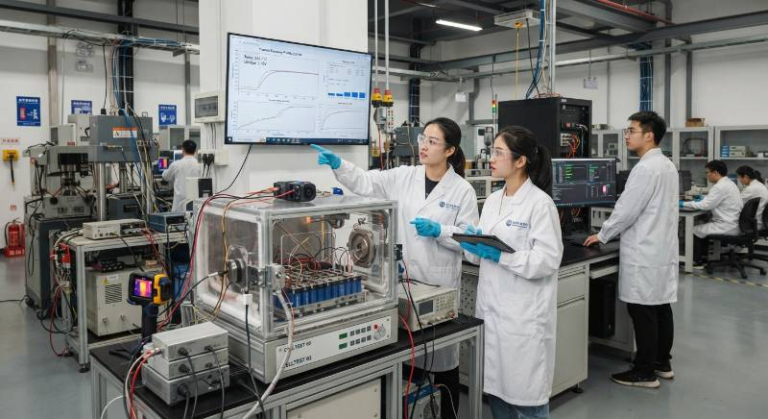
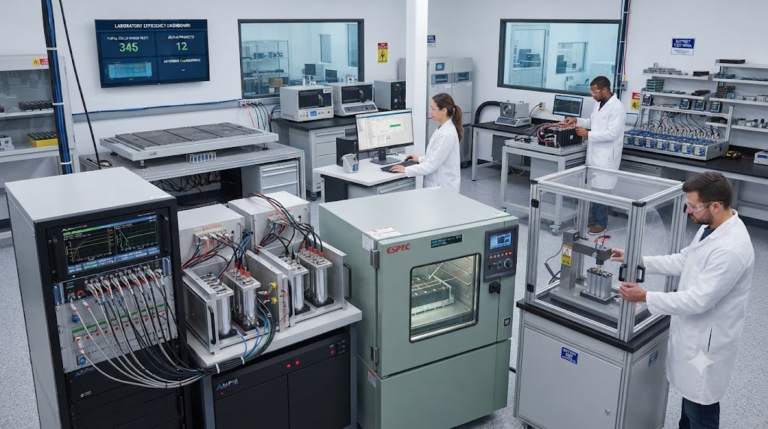
- Subject the completed pack prototype to environmental, mechanical, and electrical abuse testing.
- Secure formal certification reports from an accredited NRTL (Nationally Recognized Testing Laboratory) before clinical trials.
Designing high-performance medical hardware requires specialized battery integration. Engineering teams frequently partner with experienced OEM/ODM suppliers to develop custom custom medical battery packs that meet these rigorous global mandates from day one.
Global Battery Standards Comparison: IEC, UL, and UN Mandates
Navigating global regulatory frameworks requires understanding how battery standards interact with system-level medical device standards. A common point of confusion is the relationship between IEC 62133 vs IEC 60601-1.
IEC 60601-1 is the overarching safety standard for medical electrical equipment. It requires any integrated lithium-ion battery to comply with its own safety standard, which is IEC 62133. You cannot achieve system-level medical certification without a certified battery pack.
The regulatory landscape has become more integrated. The Food and Drug Administration (FDA) transitioned to the Quality Management System Regulation (QMSR). This transition harmonizes 21 CFR Part 820 with ISO 13485. This change emphasizes rigorous risk management for medical devices throughout the entire lifecycle of the battery.

Simultaneously, the EU Battery Regulation introduces strict rules regarding the transition to removable and replaceable batteries in electronic hardware. While some life-critical medical devices are granted exemptions to maintain waterproof seals and sterile barriers, any consumer-facing or home-use medical device must be carefully evaluated to balance serviceability with patient safety.
IEC 62133 Compliance: Requirements for Lithium Systems
The International Electrotechnical Commission (IEC) standard IEC 62133-2 is the global benchmark for lithium-ion battery safety. It focuses specifically on secondary cells and packs containing alkaline or non-acid electrolytes.
The testing and certification process involves exposing the battery to extreme conditions to ensure it remains safe under stress. If a failure occurs, it must fail safely without presenting a hazard to the user.
Critical IEC 62133 Testing Parameters:
- Thermal Abuse: Cells are suspended in a high-temperature gravity convection oven (130°C) to verify thermal stability.
- Overcharging: The battery pack is subjected to a charging current exceeding its maximum rating to test safety circuit limits.
- Forced Discharge: Individual cells are driven into a reversed polarity state to simulate an unbalanced pack condition.
- External Short Circuit: Terminals are connected via a low-resistance path at both room temperature and 55°C.
For medical applications, JHY Battery utilizes pre-certified cells. This approach dramatically shortens the testing timeline. By building custom packs on certified cell foundations, we help engineering teams reduce certification costs and accelerate time-to-market.
UL 2054 Certification: Testing Parameters and Cell Standards
For devices targeting the North American market, UL 2054 is the primary standard for household and commercial batteries. It is widely recognized by US regulators and is significantly more stringent than international standards.
The core distinction in US compliance lies in UL 2054 vs UL 1642. UL 1642 regulates the individual lithium-ion cells, whereas UL 2054 regulates the fully assembled battery pack, including its protective circuitry and enclosure.
A battery pack cannot achieve UL 2054 certification unless all of its internal cells are already certified under UL 1642. This multi-tiered requirement ensures that both the chemical foundation and the electrical assembly are protected against failures.

Key UL 2054 Testing Conditions:
- Abnormal Charge: Charging the pack with the protective components disabled to test secondary safety mechanisms.
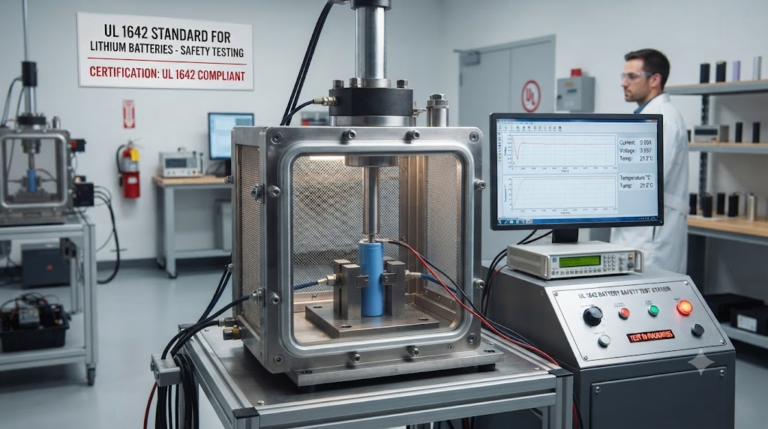
- 250-N Crush Test: Applying a mechanical crushing force of 250 Newtons to the battery enclosure to simulate impact.
- Molded Case Heating: Placing the complete pack in an oven heated to 70°C for 7 hours to verify structural housing integrity.
- Limited Power Source (LPS) Test: Verifying that the battery output remains below specific energy thresholds under load.
Navigating Medical Battery Compliance in China
Exporting active medical hardware to China requires navigating a distinct set of national standards. The primary standard for lithium-ion systems is GB 31241.
GB 31241 is a mandatory national safety standard. It applies to all lithium-ion cells and battery packs used in portable electronic equipment, including portable medical devices. If your system is destined for clinical use in China, the National Medical Products Administration (NMPA) will require documented compliance with GB 31241 during the registration process.
The NMPA approval pathway demands rigorous local testing. Unlike European markets that accept self-declaration CE marks with accredited test reports, China frequently requires testing to be performed by approved domestic laboratories. Partnering with a manufacturer like JHY Battery, who understands local GB standards and maintains domestic testing relationships, helps streamline this complex regulatory process.
The JHY Triple-Shield Compliance Protocol
To address the challenges of multi-market compliance, JHY Battery developed a proprietary design methodology: The Triple-Shield Compliance Protocol. This framework integrates safety features directly into the cell chemistry, electronic hardware, and mechanical enclosure.
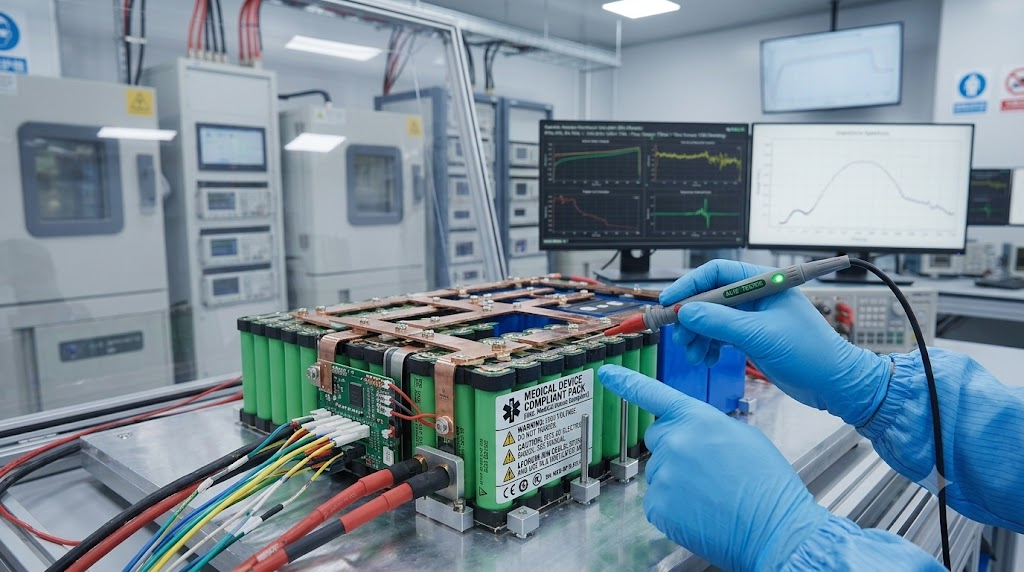
This protocol ensures that every custom lithium-ion battery pack we manufacture meets or exceeds international standards, including IEC 62133 and UL 2054.
1. Cell Selection Criteria for Life-Critical Medical Equipment
We source only Class-A cells from certified suppliers or utilize our own high-stability formulations. These cells are selected for their low internal resistance, minimal self-discharge rates, and high thermal thresholds. This selection process ensures stable performance over hundreds of duty cycles in medical environments.
2. Designing Redundant BMS for Medical-Grade Reliability
Our battery management systems (BMS) feature multi-tiered protection. If the primary analog safety IC fails to detect an overcharge or overcurrent event, a secondary digital controller acts as a fail-safe, physically cutting off the current path. This redundancy prevents damage to the battery and protects the host medical device from electrical surges.
3. Thermal Runaway Mitigation in Wearable Medical Devices
For wearable and patient-adjacent devices, thermal management is critical. We integrate advanced thermal barrier materials, phase-change materials, and strategic structural spacing between cells. This architecture ensures that even in the rare event of an individual cell failure, heat is safely dissipated, preventing thermal propagation to adjacent cells.
By applying this protocol to our custom lithium-ion battery packs, we provide medical OEMs with a reliable, compliant power source that simplifies system-level certifications.
BMS Architectures and Safety Testing Demonstrations
A medical-grade battery management system (BMS) must monitor multiple parameters in real time. The diagram below illustrates a typical redundant BMS architecture designed for patient-critical applications.
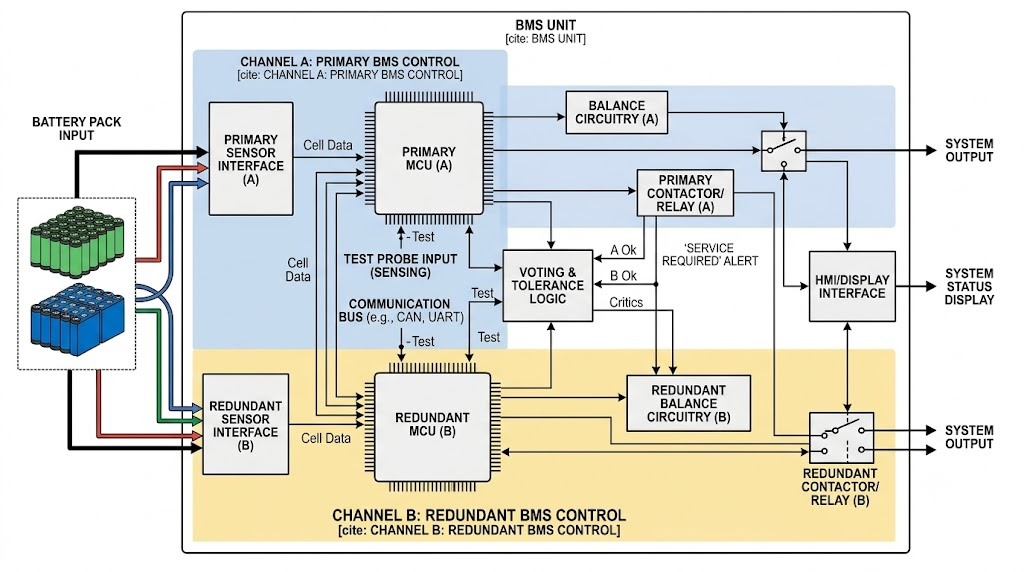
During development, prototype battery packs undergo rigorous physical testing to validate their safety systems. These tests verify that the pack can withstand physical abuse without presenting a hazard.
Standard Safety Testing Protocols:
- Nail Penetration Test: A steel nail is driven through the center of a fully charged cell to simulate an internal short circuit and verify that no explosion or fire occurs.
- Crush and Impact Testing: A hydraulic press applies physical pressure to the pack, testing the integrity of the protective enclosure.
- Electromagnetic Compatibility (EMC): Verifying that the BMS electronics do not emit harmful radiation or suffer from interference when operated near other clinical hardware.
To help hardware engineers estimate battery performance early in the design cycle, we utilize a conceptual Medical Battery Capacity and Runtime Calculator. This framework helps designers balance capacity, weight, and safety margins.
The runtime of a medical battery pack under a continuous load can be estimated using the following formula:
We recommend designing for a minimum 15% efficiency loss. This margin accounts for impedance growth as the cells age and ensures the device meets its runtime requirements throughout its entire service life.
About the Author: Medical Battery Compliance Expert
Dr. Marcus Vance, Senior Battery Compliance Officer & R&D Engineer
Dr. Vance holds a Ph.D. in Electrochemical Engineering and has spent over 12 years designing certified power solutions for global medical device OEMs. At JHY Battery, he leads the regulatory compliance division, specializing in aligning custom battery designs with FDA, EU MDR, and NMPA standards. His research on thermal runaway prevention has helped shape modern BMS safety architectures across the industry.
Frequently Asked Questions About Medical Battery Standards
Why is UN 38.3 transport testing mandatory for medical batteries?
UN 38.3 is a global transportation safety standard. It is legally required for shipping lithium-ion batteries by air, sea, or land. It ensures that the battery can withstand extreme vibrations, altitude changes, and impact shocks during transit without leaking, venting, or igniting.
Can I use a standard commercial battery pack in a medical device?
Generally, no. Standard commercial battery packs rarely feature the redundant safety circuits, traceable cell lots, and strict quality control standards required for medical devices. A failure in a commercial pack could lead to liability issues and regulatory rejection.
How long does it take to secure UL 2054 and IEC 62133 certifications?
If utilizing pre-certified cells, the testing and certification process for a custom pack typically takes 8 to 12 weeks. This timeline can be longer if the design requires custom enclosure modifications or complex BMS configurations.
What is the first step in designing a custom medical battery pack?
The first step is defining your system’s electrical, mechanical, and regulatory requirements. We recommend consulting with an experienced manufacturer early in the design cycle. Please contact JHY Battery to discuss your project parameters with our engineering team.
Accelerate Your Path to Medical Compliance
Don’t let regulatory hurdles delay your medical device launch. Partner with JHY Battery to design, test, and manufacture custom lithium-ion battery packs that meet the world’s most stringent safety standards.