Long-Life Batteries for IoT Remote Sensors & Tracking
Long-Life Batteries for IoT Remote Sensors & Tracking
Deploying remote sensors across vast geographic areas comes with a massive logistical headache: keeping them powered. If your smart sensors die prematurely, the cost of sending field technicians to replace batteries can easily exceed the initial hardware investment. At JHY Battery, we specialize in manufacturing high-performance, long-life batteries for IoT remote sensors designed to eliminate these costly operational disruptions.
What Makes a Battery “Long-Life” for IoT Remote Sensors?
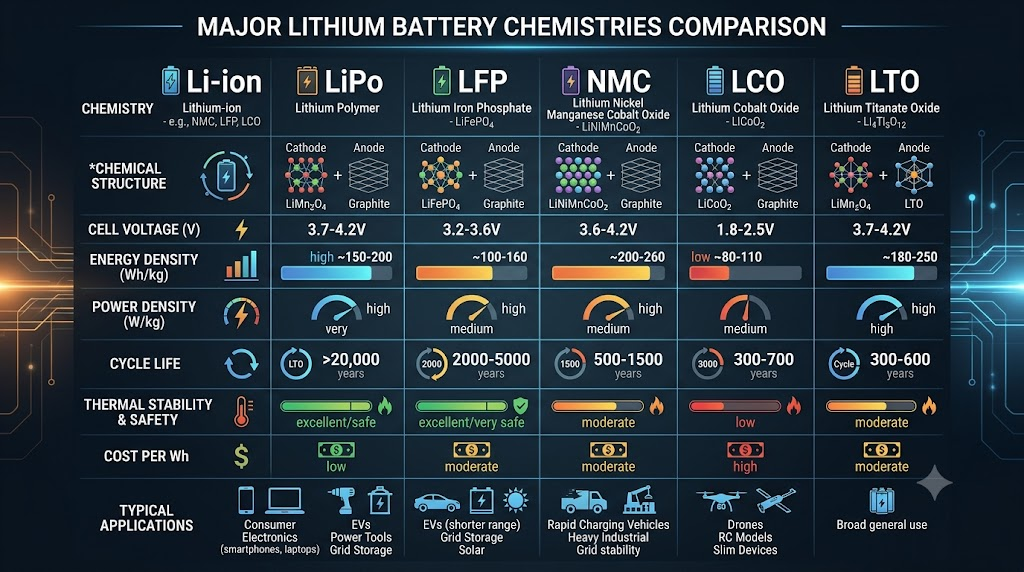
Optimal battery chemistries for remote IoT sensors balance high energy density with minimal self-discharge to ensure long-term reliability. Non-rechargeable lithium thionyl chloride (Li-SOCl2) and lithium manganese dioxide (Li-MnO2) represent the industry standard, while rechargeable lithium iron phosphate (LiFePO4) excels in applications integrated with local energy harvesting systems.
- Energy Density: High volumetric efficiency to fit compact sensor enclosures.
- Self-Discharge Rate: Under 1% per year to sustain operational lifespans exceeding a decade.
- Temperature Tolerance: Ability to perform reliably across a wide operating temperature range (-40°C to +85°C).
- Lifespan: Engineered chemistry and construction to survive up to 10–15 years without field maintenance.
For smart sensors operating within a low-power wide-area network (LPWAN), energy demands are highly cyclical. Devices spend 99% of their time in a low-power sleep state and wake up occasionally for high-pulse data transmissions. The battery must handle these sudden current spikes without suffering a severe voltage drop.
The JHY IoT-Power Triad Framework
To overcome the limitations of off-the-shelf power sources, JHY Battery developed a proprietary methodology. We call this The JHY IoT-Power Triad Framework. This approach balances chemistry selection, passivation control, and smart BMS power management to deliver maximum reliability for B2B smart tracking systems.
1. Custom Chemistry Profiling
Based on our testing data, there is no single “perfect” chemistry. We match the battery’s active materials to your sensor’s specific duty cycle, ensuring the cell does not prematurely age under heavy loading.
2. Active Passivation Management
We integrate hardware-level mitigation tools, such as Hybrid Layer Capacitors (HLCs) or SuperCapacitors (SPCs), to buffer high-current pulses and prevent system-resetting voltage dips.
3. Intelligent BMS Integration
Our custom Battery Management Systems (BMS) monitor state-of-charge (SoC) and state-of-health (SoH) metrics in real time. This keeps your asset tracking arrays visible and protected against over-discharge.
IoT Battery Chemistry Selection Matrix: Li-SOCl2 vs. Li-MnO2 vs. LiFePO4
Selecting the right battery chemistry is critical to achieving power consumption optimization. Different LPWAN protocols like LoRaWAN, NB-IoT, and LTE-M demand different peak pulse currents. Below is a breakdown of how the top chemistries compare:
| Chemistry | 公称電圧 | Self-Discharge Rate (per year) | Operating Temp Range | Best Use Case |
|---|---|---|---|---|
| Lithium Thionyl Chloride (Li-SOCl2) | 3.6V | < 1% | -55°C to +85°C | Static remote sensors (10+ year life) |
| Lithium Manganese Dioxide (Li-MnO2) | 3.0V | < 1% to 2% | -40°C to +60°C | Smart tracking with frequent high pulses |
| LiFePO4 batteries (Lithium Iron Phosphate) | 3.2V | < 3% | -20°C to +60°C | Rechargeable solar-harvesting IoT nodes |
For applications where sensors are paired with solar panels or wind turbines, rechargeable LiFePO4 batteries are the gold standard. They offer safe, high-cycle performance that lasts for thousands of charges under challenging environmental conditions.
Solving the Silent Killer: Passivation in IoT Batteries
Many procurement teams purchase high-capacity lithium thionyl chloride cells only to watch their devices go offline within a year. The culprit is almost always passivation.
Passivation: A chemical reaction that forms a thin film of lithium chloride (LiCl) on the anode surface of a Li-SOCl2 cell. While this film is beneficial because it prevents self-discharge, it acts as an electrical insulator.
When an IoT remote sensor wakes up to transmit data via an LPWAN module, it demands a quick burst of energy. If the passivation layer is too thick, the battery suffers a severe voltage delay. The voltage drops below the sensor’s cutoff threshold, causing the device to reset or fail entirely.
At JHY Battery, we mitigate this risk by designing custom lithium-ion battery packs that integrate a high-pulse capacitor in parallel with the primary cell. The capacitor supplies the immediate current spike, giving the cell’s passivation layer time to safely dissipate without dropping voltage.
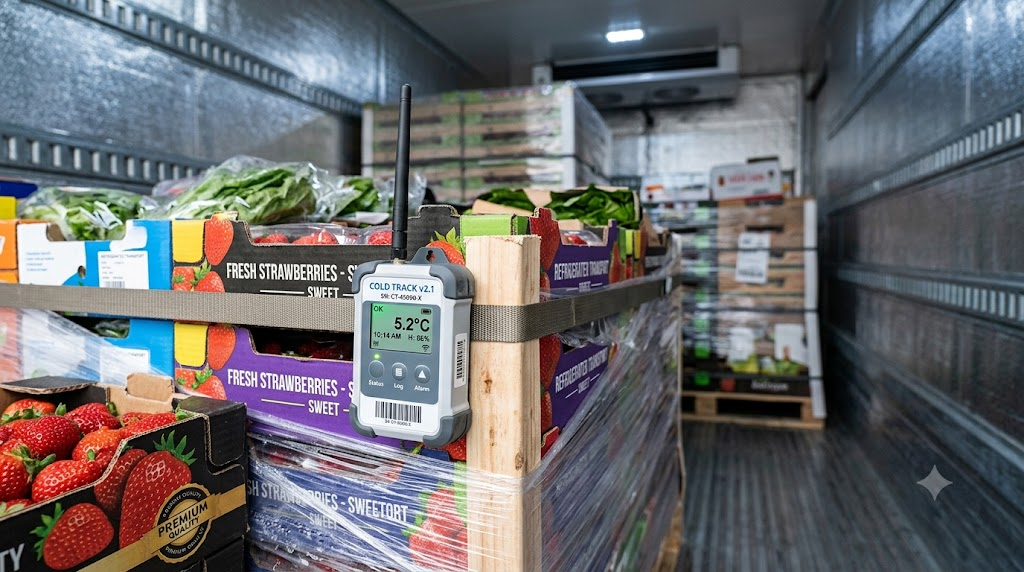
Niche Scenario: Extreme Cold Chain Tracking at -40°C
Pharmaceutical and food cold chains require continuous environmental monitoring. If a vaccine shipment drops below temperature thresholds, entire batches can be ruined. However, cold temperatures cripple standard lithium battery chemistries by slowing down internal chemical reactions and increasing internal resistance.
In our experience, standard industrial batteries lose up to 50% of their operational capacity at -30°C. To solve this, JHY Battery designs low-temperature cells with optimized electrolytes that remain fluid and conductive at -40°C. This allows smart tracking devices to transmit continuous telemetry data without experiencing sudden drop-offs in voltage.
Total Cost of Ownership (TCO) and ESG Compliance
B2B procurement decisions should never be based solely on initial cell costs. Cheap, uncertified batteries often degrade quickly, requiring manual replacements. According to an IEEE Xplore research paper on LPWAN optimization, field labor accounts for up to 70% of the lifetime cost of remote sensor networks.
Choosing premium long-life batteries from a manufacturer like JHY Battery ensures your assets remain powered for their entire intended lifecycle. This significantly lowers your Total Cost of Ownership. Furthermore, our factories strictly adhere to global ESG compliance guidelines and sustainable manufacturing practices, helping your business meet corporate environmental goals.
Get Your Custom IoT Battery Solution in 3 Steps
Working with JHY Battery is simple, fast, and engineered for B2B buyers who need reliable, certified power solutions.
- Submit Your Device Power Profile: Share your sensor’s power consumption metrics, space limits, and target operating temperatures.
- Design & Engineering: Our team develops a custom BMS and matches it to the ideal cell chemistry within 48 hours.
- Prototype & Certification: We manufacture prototypes and secure the necessary international certifications (ISO9001, CE, UN38.3, UL, MSDS) for your market.
Ready to Power Your IoT Deployment?
Partner with JHY Battery for premium, certified OEM/ODM battery solutions tailored to your smart tracking sensors.
Frequently Asked Questions About IoT Batteries
What is the average lifespan of a remote sensor battery?
A high-quality Li-SOCl2 battery can last between 10 to 15 years in low-power applications, assuming the self-discharge rate remains below 1% per year and the device uses proper power-saving protocols.
Should I use rechargeable or non-rechargeable batteries?
If your sensor has access to energy harvesting (like solar panels), rechargeable LiFePO4 batteries are the best choice. For ultra-remote applications with no harvesting options, non-rechargeable lithium thionyl chloride cells are preferred due to their superior energy density and long shelf life.
How do engineers calculate estimated battery life?
We use a standard calculation methodology that accounts for sleep current, active current, pulse duration, and self-discharge rates over time:
Battery Life (Years) = Capacity (Ah) / [Average Current Consumption (A) * 8760 Hours/Year]
We then apply a derating factor of 15% to 30% to account for environmental temperature swings and passivation losses.