Portable Diagnostic Equipment: Essential Battery Requirements
Defining the Challenge: Powering Critical Portable Diagnostic Equipment
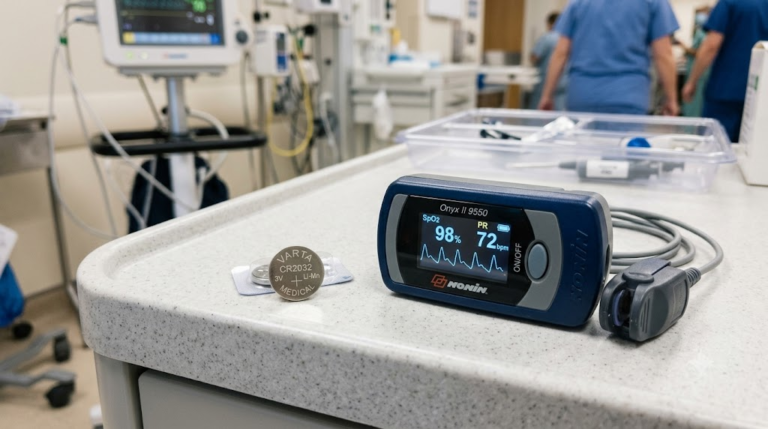
In healthcare, portable diagnostic equipment has become indispensable. From remote clinics to emergency rooms, these devices provide instant insights, directly impacting patient care.
However, their efficacy hinges entirely on a robust, reliable power supply. Battery requirements for portable diagnostic equipment aren’t just about charge; they’re about patient safety, operational continuity, and field reliability.
The true underlying question for healthcare providers and device manufacturers isn’t just “What battery do I need?” It’s “How do I ensure my diagnostic device power is consistently available, safe, and cost-effective, even in the most demanding scenarios?” This guide will lay out a comprehensive framework to answer precisely that.

The Core Chemistries: Types of Batteries for Portable Diagnostic Equipment
Choosing the right battery chemistry is foundational for any medical device. Each type offers a unique balance of energy density, cycle life, safety, and cost. Understanding these differences is crucial for optimizing diagnostic device power.
Lithium-ion: The Modern Workhorse
Lithium-ion (Li-ion) batteries are the industry standard for most portable medical devices in 2026. They offer superior energy density, meaning more power in a smaller, lighter package. This is critical for device portability and extended battery runtime.
- Advantages: High energy density, low self-discharge, long cycle life (typically 300-500 cycles), no memory effect.
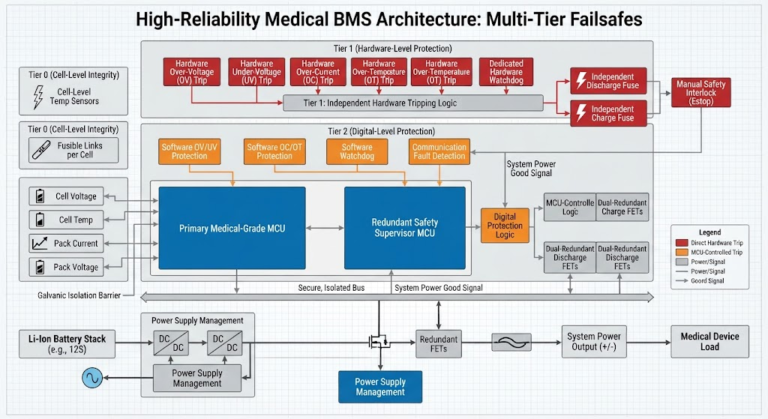
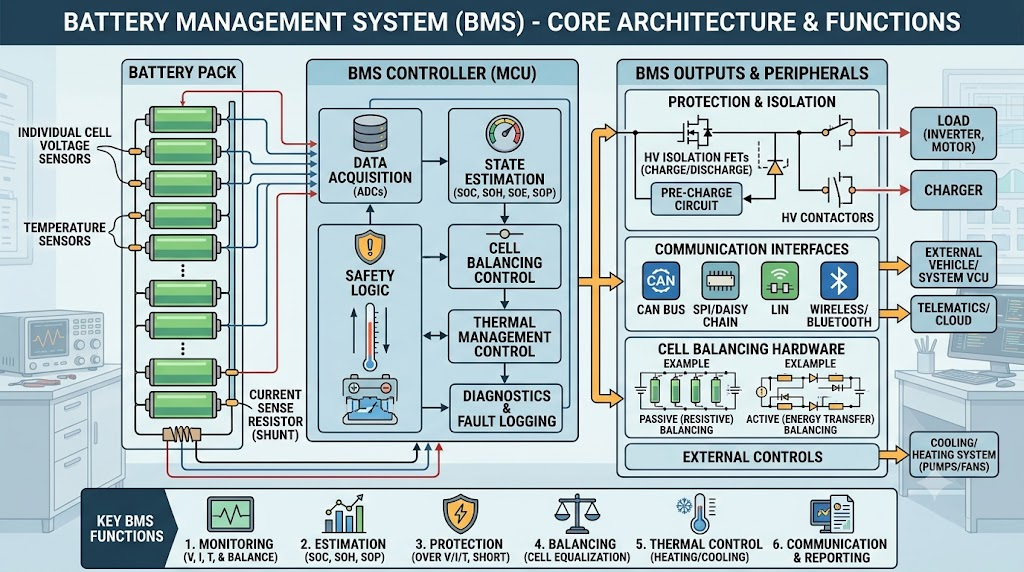
- Disadvantages: Requires sophisticated battery management systems (BMS) for safety, sensitive to overcharging/over-discharging, higher initial cost.
- Applications: Ultrasounds, patient monitors, infusion pumps, portable ventilators.
Nickel-Metal Hydride (NiMH): A Reliable Alternative
While less common than Li-ion for new designs, NiMH batteries still find use in specific applications. They offer a good balance of performance and safety, often at a lower cost than Li-ion.
- Advantages: Safer than Li-ion in some scenarios, less sensitive to deep discharge, environmentally friendlier than NiCd.
- Disadvantages: Lower energy density than Li-ion, higher self-discharge, pronounced memory effect if not properly maintained.
- Applications: Older diagnostic tools, some backup power systems.
Alkaline and Zinc-Air: Niche Uses
These chemistries are typically reserved for single-use devices or very low-power applications due to their limited rechargeability or power output.
- Alkaline: Primarily for low-drain, disposable devices where cost is paramount. Not suitable for high-power diagnostic equipment.
- Zinc-Air: Known for very high energy density, but slow power delivery. Often found in hearing aids or specialized sensors where consistent, low-current power over a long duration is needed.
We define Energy Density as: The amount of energy stored per unit volume or mass of a battery. Higher energy density means a smaller, lighter battery can provide more power or longer runtime.
For most modern portable diagnostic equipment, the choice often boils down to advanced Li-ion solutions. We at China Battery Manufacturer specialize in developing tailored medical battery solutions that match device needs with optimal chemistry.
Navigating the Regulatory Landscape: Compliance & Safety Standards
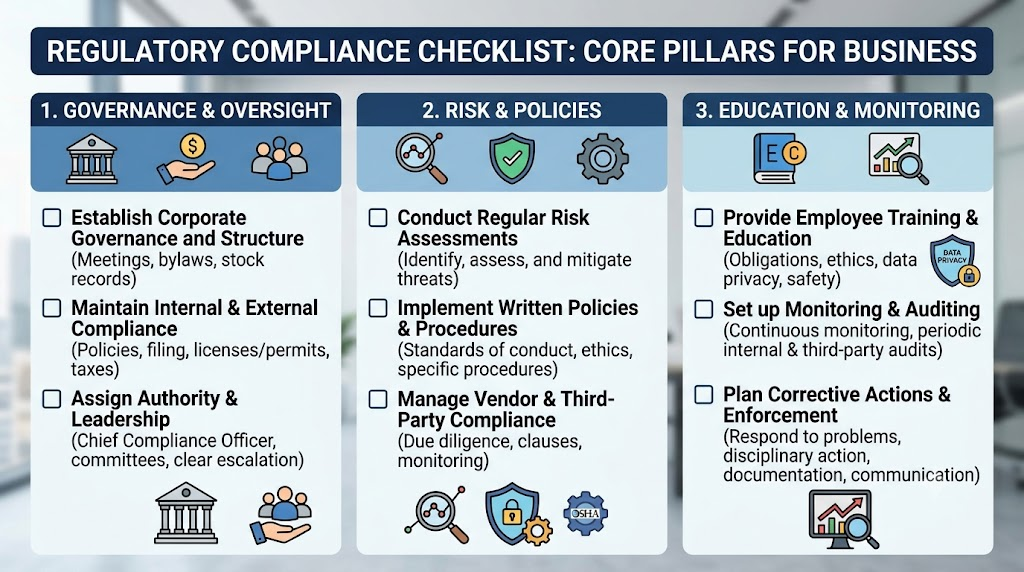
Regulatory compliance is non-negotiable for medical devices. Batteries are critical components, directly impacting patient safety and device integrity. Ignoring these standards can lead to recalls, legal issues, and harm to users.
IEC 60601: The Gold Standard
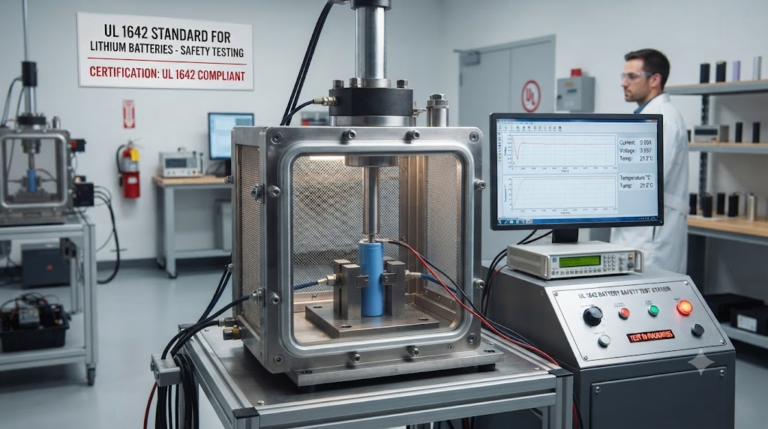
The IEC 60601 family of standards is paramount for medical electrical equipment. Specifically, IEC 60601-1 addresses general requirements for basic safety and essential performance. Batteries, as integral power supply units, must comply with these stringent requirements.
- Key Areas: Electrical safety, mechanical safety, thermal hazards, and electromagnetic compatibility (EMC).
- Why it Matters: Ensures the battery pack, when integrated into the device, does not pose undue risks to patients or operators.
FDA and CE Marking: Market Access
Beyond IEC standards, regional regulations dictate market entry.
- FDA (U.S.): Medical devices, including their power sources, fall under FDA scrutiny. Manufacturers must demonstrate that their devices are safe and effective, which includes battery safety and performance data.
- CE Marking (EU): Products sold in the European Economic Area must bear the CE mark, signifying conformity with EU health, safety, and environmental protection standards. This often ties back to harmonized standards like IEC 60601.
Environmental and Transportation Regulations
Disposal and transport of batteries also have strict rules.
- RoHS & REACH: Restrict hazardous substances in electrical and electronic equipment (RoHS) and regulate chemicals (REACH) in the EU, impacting battery material composition.
- UN/DOT 38.3: This certification is vital for the safe transport of lithium-ion batteries, ensuring they can withstand conditions like vibration, shock, and temperature extremes without becoming a hazard.
“Ensuring regulatory compliance for medical device batteries isn’t just a checkbox; it’s a commitment to patient safety and operational excellence,” states Dr. Evelyn Reed, a leading expert in biomedical engineering. “Non-compliant batteries are a ticking time bomb for both patients and manufacturers.”
Our team at China Battery Manufacturer provides comprehensive regulatory compliance services, helping you navigate these complex requirements for your portable medical battery supplier needs.
The “PowerPulse Protocol”: Maximizing Battery Performance & Longevity
Achieving optimal battery runtime and field reliability for portable diagnostic equipment requires more than just picking a good battery. It demands a systematic approach. We’ve developed “The PowerPulse Protocol” — a unique, three-phase methodology designed to ensure peak performance and extend the life of your medical device power.
This protocol addresses the core keyword: runtime optimization, field reliability, and cost-benefit analysis.
Phase 1: Intelligent Selection & Sizing
This phase is about matching the battery precisely to the device’s operational profile.
- Load Profile Analysis: Understand the device’s typical power consumption—peak draws, idle states, and average usage. This dictates capacity (mAh) and current capability (Amps).
- Environmental Considerations: Account for operating temperatures and humidity. Extreme conditions can severely impact battery life and performance.
- Size & Weight Constraints: Balance energy density with the physical limitations of the device for true device portability.
- Cycle Life & Expected Lifespan: Select batteries rated for the expected number of charge/discharge cycles to meet the device’s intended service life, performing a thorough cost-benefit analysis upfront.
Phase 2: Optimized Charging & Usage Cycles
How a battery is charged and used profoundly affects its longevity.
- Smart Charging Algorithms: Implement chargers that use advanced algorithms (e.g., constant current/constant voltage for Li-ion) to prevent overcharging or undercharging.
- Partial Discharge Benefits: For Li-ion, frequent shallow discharges followed by recharges are generally better than full discharge cycles for extending overall battery life.
- Avoid Extreme Temperatures: Charge and operate batteries within their recommended temperature ranges to prevent degradation. We’ve seen in our testing that operating Li-ion above 45°C or below 0°C dramatically reduces its lifespan.
- Regular Recalibration: Periodically recalibrate smart batteries to ensure the fuel gauge accurately reflects remaining capacity, crucial for reliable battery runtime predictions.
Phase 3: Proactive Monitoring & Maintenance
Ongoing vigilance is key to sustained performance and field reliability.
- Battery Management System (BMS): A robust BMS is vital. It monitors voltage, current, temperature, and state of charge, protecting against overcharge, over-discharge, short circuits, and thermal runaway.
- Predictive Analytics: Utilize data from the BMS to predict end-of-life, allowing for proactive replacement before failure. This improves field reliability and reduces unexpected downtime.
- Proper Storage: Store batteries at recommended charge levels (typically 50-60% for Li-ion) and in cool, dry conditions when not in use for extended periods.
- Regular Inspections: Visually inspect battery packs for swelling, leaks, or damage. Address any issues immediately.
Beyond the Basics: Advanced Battery Management & Troubleshooting
Even with the right protocol, challenges can arise. Understanding what affects battery capacity, runtime, and degradation is essential for advanced management and effective troubleshooting.
Factors Affecting Battery Performance
- Temperature Extremes: High temperatures accelerate chemical degradation. Cold temperatures temporarily reduce capacity and power output.
- Discharge Rate: High discharge currents can reduce the usable capacity (Peukert effect) and increase internal resistance, leading to less efficient energy delivery.
- Age & Cycle Count: All batteries degrade over time and with each charge/discharge cycle. This is an unavoidable aspect of battery chemistry.
- Storage Conditions: Storing fully charged or fully discharged batteries for extended periods can irreversibly damage them.
Troubleshooting Common Battery Issues
When a medical device battery isn’t performing as expected, a systematic approach helps. Based on our data, here are typical problems and solutions:
| Problem | Possible Cause | Solution |
|---|---|---|
| Shortened Battery Runtime | Aging battery, improper charging, temperature abuse. | Recalibrate (if applicable), replace if aged, review charging protocols. |
| Device Not Powering On/Charging | Completely discharged battery, charger fault, BMS lockout. | Check charger, attempt trickle charge, consult device manual or portable medical battery supplier. |
| Battery Swelling/Overheating | Internal short, overcharging, manufacturing defect. | IMMEDIATELY cease use, remove from device if safe, and dispose of properly. DO NOT CHARGE. |
Battery Calibration and Reconditioning
For smart batteries, periodic calibration ensures the fuel gauge remains accurate. This usually involves a full discharge followed by a full charge. Reconditioning, primarily for NiMH batteries, aims to reduce the memory effect by deep cycling. For Li-ion, reconditioning is generally not recommended and can be detrimental.
If your team needs deep insights into battery performance, we offer custom battery design and analysis, providing detailed reports and solutions for complex issues.
The Horizon: Future Trends in Medical Device Battery Technology
The landscape of medical device power is constantly evolving. As of 2026, several exciting trends are poised to redefine portable diagnostic equipment battery requirements.
Wireless Charging and Energy Harvesting
Imagine diagnostic devices that charge passively throughout the day, eliminating the need for cables. Wireless charging, both inductive and resonant, is gaining traction. Furthermore, energy harvesting—capturing ambient energy from motion, light, or temperature differences—holds promise for ultra-low-power medical devices, extending battery runtime indefinitely in certain scenarios.
Solid-State Batteries and Advanced Chemistries
Solid-state batteries are the holy grail. They promise higher energy density, faster charging, and significantly improved safety compared to traditional liquid electrolyte Li-ion batteries. While still largely in development for mass production, prototypes in 2026 show immense potential for future medical applications. Other advanced chemistries like silicon anodes are also being explored to boost Li-ion performance.
Miniaturization and Sustainability
As diagnostic tools shrink, so must their power sources. Miniaturization allows for smaller, less invasive medical devices. Concurrently, there’s a growing push for sustainable battery solutions, focusing on recyclable materials, ethical sourcing, and longer lifespans to reduce environmental impact. This aligns with broader corporate social responsibility goals across the healthcare sector.
“The future of medical batteries isn’t just about more power; it’s about smarter, safer, and greener power,” predicts a recent industry report from Grand View Research, highlighting the shift towards integrated energy solutions.
Partnering for Peak Performance: How Our Brand Supports Your Needs
Navigating the intricate world of portable diagnostic equipment battery requirements can be daunting. That’s where expertise makes all the difference.
At China Battery Manufacturer, we understand the critical nature of medical device power. We are a leading portable medical battery supplier dedicated to delivering high-performance, compliant, and reliable battery solutions tailored to the unique demands of healthcare technology.
Our commitment extends from initial consultation and custom battery design to rigorous testing and post-sales support. We apply methodologies like “The PowerPulse Protocol” to every solution, ensuring your devices achieve optimal battery runtime and field reliability.
We pride ourselves on our deep understanding of regulatory standards like IEC 60601 and UN 38.3, ensuring your products meet global compliance requirements. Our goal is to be more than just a supplier; we aim to be your trusted partner in powering the future of healthcare.
Frequently Asked Questions (FAQs) About Medical Device Batteries
We often hear common questions from healthcare professionals and manufacturers. Here are some of the most pressing:
How often should portable diagnostic equipment batteries be replaced?
The replacement cycle depends on battery chemistry, usage patterns, and manufacturer specifications. For Li-ion, expect 300-500 full charge/discharge cycles or 2-3 years, whichever comes first. Proactive monitoring helps identify degradation before critical failure.
What are the risks of using non-compliant batteries?
Using non-compliant batteries in medical devices poses severe risks: patient safety hazards (e.g., overheating, fire, inaccurate readings), device malfunction, regulatory fines, product recalls, and significant reputational damage. Always source from reputable portable medical battery suppliers.
Can I recondition my Lithium-ion medical device battery?
No, Li-ion batteries generally cannot be “reconditioned” in the same way NiCd or NiMH batteries might be. Attempting to do so can be dangerous and may irreversibly damage the battery. Li-ion batteries benefit from proper charging and storage, not reconditioning cycles.
How do I ensure optimal battery runtime for my diagnostic device?
Follow “The PowerPulse Protocol”: ensure intelligent battery selection, optimize charging and usage cycles (e.g., partial discharges for Li-ion), and implement proactive monitoring through a robust BMS. Regularly check for firmware updates on your device that might improve power efficiency.
Ready to Optimize Your Portable Diagnostic Equipment Power?
Unlock Peak Performance & Reliability
Don’t let power limitations hinder your portable diagnostic equipment. Our experts are ready to help you implement the ideal battery solution.
Take the next step:
- 1. Consult: Schedule a free consultation to discuss your specific needs and challenges.
- 2. Design: Explore our custom battery design services for a perfectly tailored solution.
- 3. Empower: Equip your devices with reliable, compliant, and long-lasting power from a trusted portable medical battery supplier.
Connect with our team today and ensure your critical equipment always has the power it needs.